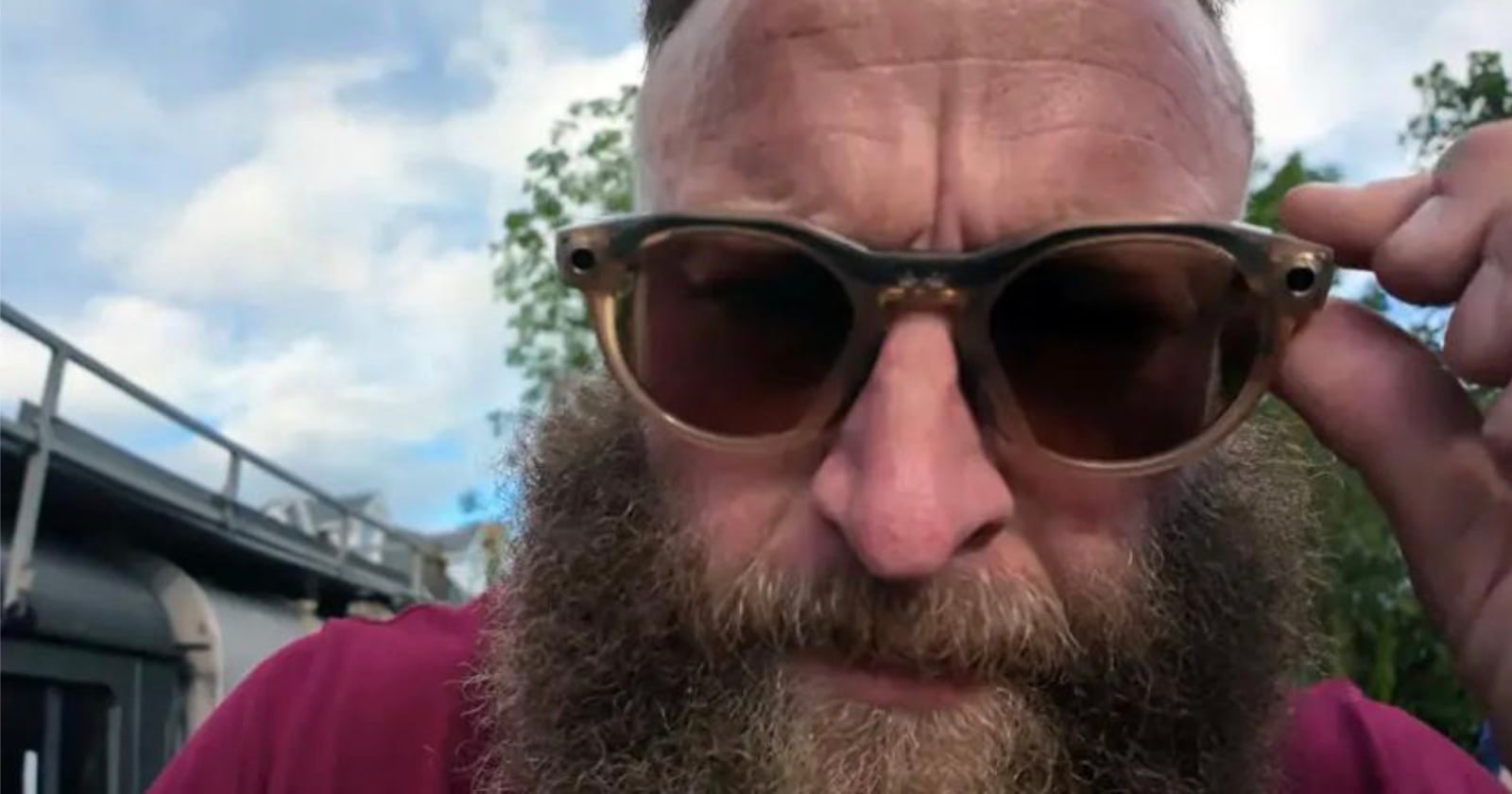
The image is striking: a man with a thick beard, casually holding the frame of his translucent sunglasses, as if he's just another tourist or a guy grabbing coffee. But those glasses are Meta smart glasses, and the police are now investigating him for allegedly using them to secretly film hundreds of strangers for his TikTok account. It's a story that sits at the uncomfortable intersection of art, attention, and consent. We've spent years celebrating curated digital lives, and this feels like the raw, unflattering shadow of that pursuit. It's not just about one bad actor; it's about a culture that increasingly rewards the capture of authentic moments, often at the expense of the person standing right in front of the lens.
This incident forces us to look at the tools we romanticize. We've written about the promise of wearable tech, like the Unlock a Curated Digital Experience with Meta One subscriptions, which frame our digital lives as something seamless and enhanced. But the hardware that enables that curated experience is the same hardware that can turn a public street into a studio without anyone's permission. It's a stark reminder that the line between immersive and invasive is thinner than we'd like to admit. For our audience, who values authenticity, this isn't a theoretical debate. When you're building a personal brand on being real, you have to ask yourself: whose reality are you capturing? The pursuit of a vibrant, authentic feed can quickly curdle into something predatory when the subject doesn't know they're part of the story.
We also have to consider the broader context of how we protect spaces, both physical and digital. We recently discussed the Safeguarding Childhood: EU Proposes Restrictions on Youth Social Media Use, which is about creating boundaries for the most vulnerable. But this situation shows that the need for boundaries isn't limited to children. It's about a baseline of respect that should apply to everyone, regardless of age. The creator in this story likely saw himself as a documentarian, capturing the vibrant energy of the city. But the people he filmed didn't consent to being characters in his narrative. That's the core tension we all live with now: the technology is designed to make capturing effortless, so we must be more deliberate about the ethics of the moment.
If a reader asked us what to make of this, we'd say this: treat your own content creation with the same scrutiny you'd give a stranger's. The fact that a device is on your face doesn't negate the humanity of the person in front of you. The takeaway here isn't to abandon smart glasses or to fear technology; it's to demand a higher standard of intentionality. The question we should all sit with is not just "Can I film this?" but "Should I?" And if the answer requires a split-second calculation about someone's privacy, that's a calculation you shouldn't be making. Watch how this case unfolds, but more importantly, watch how you move through the world with a camera in your pocket. The most curated detail in your feed should be the respect you show for the unscripted lives around you.