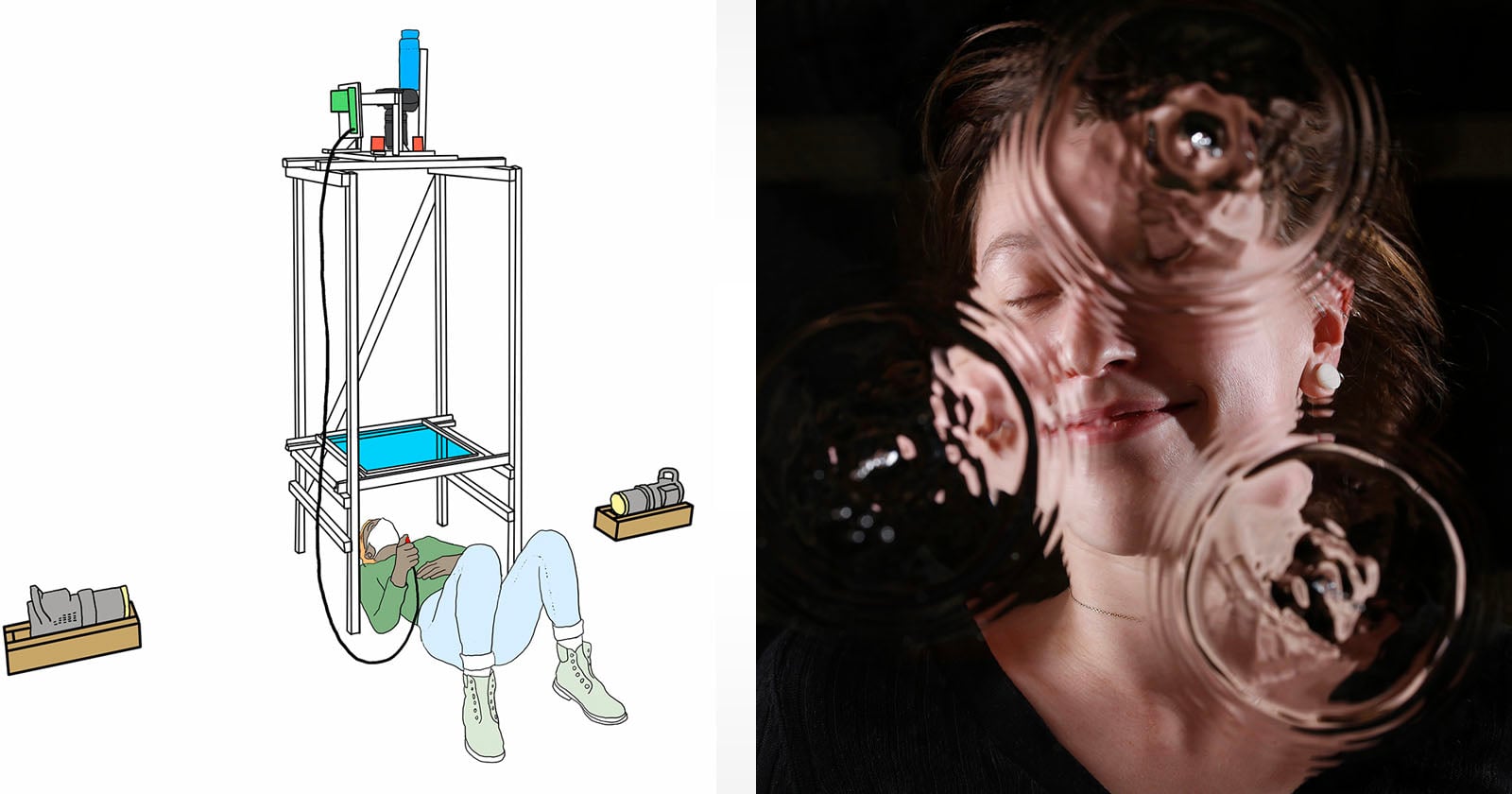
There is something quietly radical about an artist who looks at a face and decides the most honest way to capture it is through a veil of falling water. The ripple portrait project described in the article is not a gimmick, even though it could have been one. It grew from years of water-drop imaging experiments, a foundation of patience and curiosity rather than a sudden flash of trend. The result is a body of work that asks us to reconsider what a portrait can hold: not just a likeness, but a living, shifting moment of distortion and grace. It is the kind of project that reminds us why we make images at all, not to document reality, but to question it.
That spirit of playful inquiry connects beautifully to other work we have celebrated here. The same willingness to embrace the unexpected shows up in the collaborative energy of Collaborate & Create: Boudoir Sessions Offered Across Florida's Coast, where trust and spontaneity become part of the frame. And when we look at how Leica Lux 2.0: Crafting iPhone Photography with Artistic Vision pushes the boundaries of what a phone camera can do, we see the same underlying belief: that the tool matters less than the eye guiding it. Ripple portraits are not about the rig, though the custom engineering is impressive. They are about surrendering control to the medium, letting the water decide where the eye lands and where it loses its way.
What strikes us most is the practical lesson here for anyone who shoots, whether professionally or for the sheer love of it. We often chase sharpness and clarity, convinced that a portrait is only successful when every lash is in focus. This project argues otherwise. It invites us to embrace imperfection as a feature, not a flaw. The water does not obscure the person; it reveals something about them, a softness, a playfulness, a willingness to be seen through a lens that refuses to be ordinary. For our readers who feel stuck in a routine of predictable setups, this is a nudge to experiment, to break the rules of portraiture and see what emerges when you let go of the need for a perfect result.
The open question we are left with is one of translation. How does the emotional weight of a ripple portrait hold up in a gallery wall or a printed series, where the movement is frozen and the water is no longer falling? We suspect it holds up well, because the tension is baked into the image itself, the pause between one moment and the next. But we would love to see how this work evolves, whether it stays a personal exploration or finds its way into a wider conversation about how we represent identity in a world that is constantly in motion. For now, we would tell any artist reading this: build the strange rig, chase the unpredictable, and do not be afraid to let a little water get between you and your subject. That is where the real portrait lives.