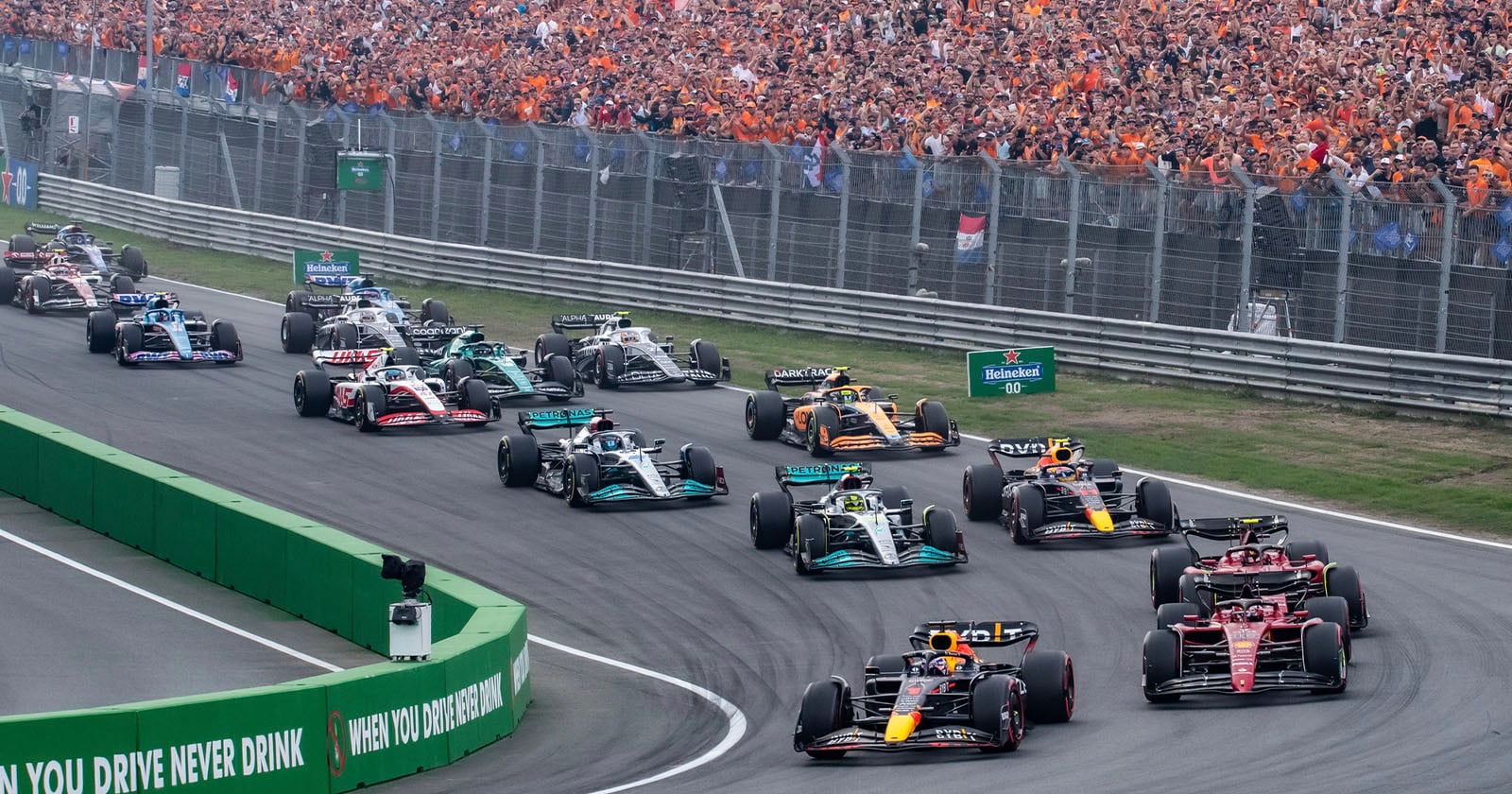
The Formula 1 caravan rolls into Zandvoort this weekend, and for once, the drama off the track might rival the battle for position on it. The Dutch GP has quietly become one of the most restrictive environments for photographers on the entire calendar, a policy that feels increasingly out of step with an era where visual storytelling is supposed to democratize the sport. We are not talking about a simple ban on professional telephoto lenses; this is a curated gatekeeping of memory itself, a decision that tells fans their experience must be filtered through the official broadcast rather than their own viewfinder. It is a fascinating, if frustrating, study in control versus authenticity, and it says a lot about how we consume our heroes.
For our readers, the ones who see the world through a lens, this is not a minor inconvenience. It is a direct challenge to the very instinct that makes you pick up a camera in the first place: the desire to capture a moment that is uniquely yours. We have spent years championing the idea that photography is a tool for personal expression, whether that means Collaborate & Create: Boudoir Sessions Offered Across Florida's Coast or exploring the artistic potential of a Leica Lux 2.0: Crafting iPhone Photography with Artistic Vision. A strict camera policy, by its very nature, assumes that the fan is a liability, a potential thief of intellectual property, rather than a collaborator in the spectacle. It creates a barrier between the audience and the art, turning a visceral, immersive experience into a passive one.
Our honest take is that this policy, while framed as protection, ultimately diminishes the cultural footprint of the event. The irony is that some of the most iconic sports images were captured by amateurs, their accidental genius fueled by the very proximity the Dutch GP now seeks to restrict. When you clamp down on the tools, you also clamp down on the joy. We would tell a reader asking for advice to respect the rules, of course, but also to reframe their approach. Instead of fighting for the impossible shot from the grandstands, look for the details the officials cannot police: the texture of the tires, the reflection in a puddle, the raw emotion on a fan's face. This is where the authentic story lives, a truth that does not require a press credential. The policy may control the camera, but it cannot control the eye.
The real question this raises, and the one we will be watching, is whether this restrictive stance will push more fans to leave their cameras at home entirely, or if it will spark a quiet rebellion of smartphone photography that circumvents the spirit of the rule. We suspect the latter. The desire to document is too strong to be legislated away. So, as the engines roar to life, we are left with a specific consequence to watch: will the strictest policy on the calendar produce the most sterile visual record of the weekend? We have a feeling the most memorable shots from Zandvoort will not be of Verstappen's inevitable charge to the front, but of the creative workarounds happening in the crowd, a testament to the fact that you can restrict the equipment, but you cannot restrict the vision.