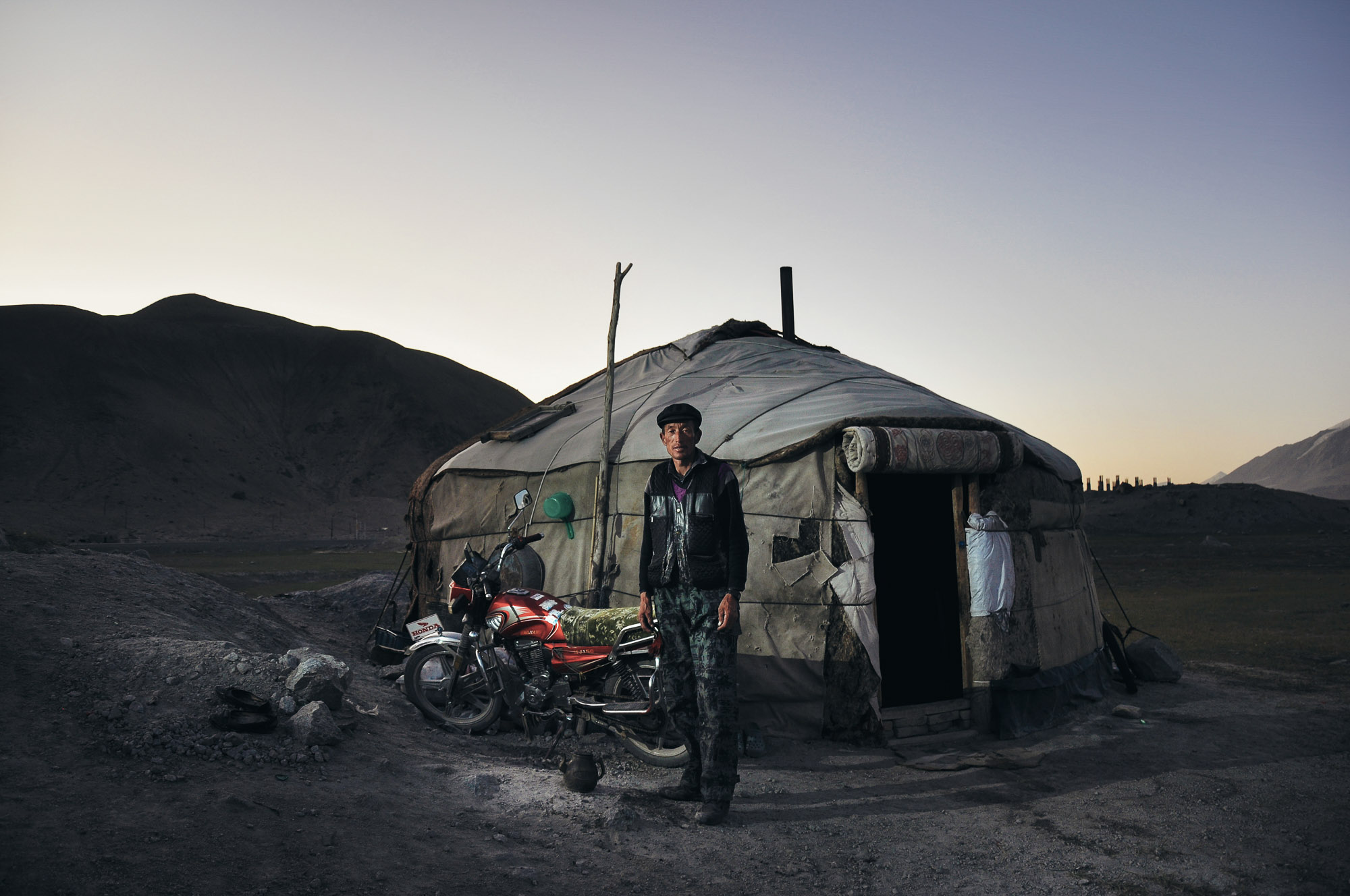
There is something quietly radical in the idea that the best portrait advice isn't about lighting, lens choice, or even composition. It's about letting go. The Phoblographer's recent tutorial digs through years of interviews with photographers who have mastered the art of approaching strangers, and the through-line is almost startlingly simple: let the subjects be themselves. We've seen this ethos echoed elsewhere in our coverage, from the patient wonder of Capturing Cosmic Beauty: An Astrophotography Journey with Nikon to the community-driven celebration of Experience Photography's Artistry: The 5 Boro Foto Fest Returns. But this approach feels different. It's not a how-to manual; it's a quiet manifesto on trust.
What strikes us most is the humility embedded in this approach. These photographers aren't imposing a vision onto their subjects; they're creating a space where something authentic can emerge. The tutorial revisits interviews from years past, then cross-references the advice with the actual images, proving that these aren't just nice words. The work reflects the philosophy. That's a rare kind of integrity, and it's a lesson that extends far beyond photography. In a world increasingly obsessed with curation and control, the willingness to hand over the reins is a form of respect. It says, "I see you, and I'm not here to change you." For our readers, that's a practical takeaway worth sitting with: the next time you're behind a camera, or even just having a difficult conversation, what might change if you trusted the other person more and your own agenda less?
This also speaks to a deeper truth about the relationship between the artist and the world. The photographers in these interviews aren't just documenting people; they're collaborating with them. They're asking for permission, not just to take a picture, but to share a moment. That's an elevated form of engagement, one that values the subject's agency as much as the final image. It's a far cry from the transactional nature of so much modern content creation, which often reduces people to props. The contrast is stark, and it's why this philosophy feels like a breath of fresh air. For anyone who's ever felt like a portrait was more about the photographer's ego than their own humanity, this is a validation of a different path. It's a reminder that the most memorable work often comes from a place of mutual vulnerability. The practical consequence here is simple: if you want to capture something real, you have to be willing to be real first, and that starts with shutting up and listening. Watch for that quiet shift in your own practice, the moment you let go of control and the frame fills with life. That's where the trust lives.