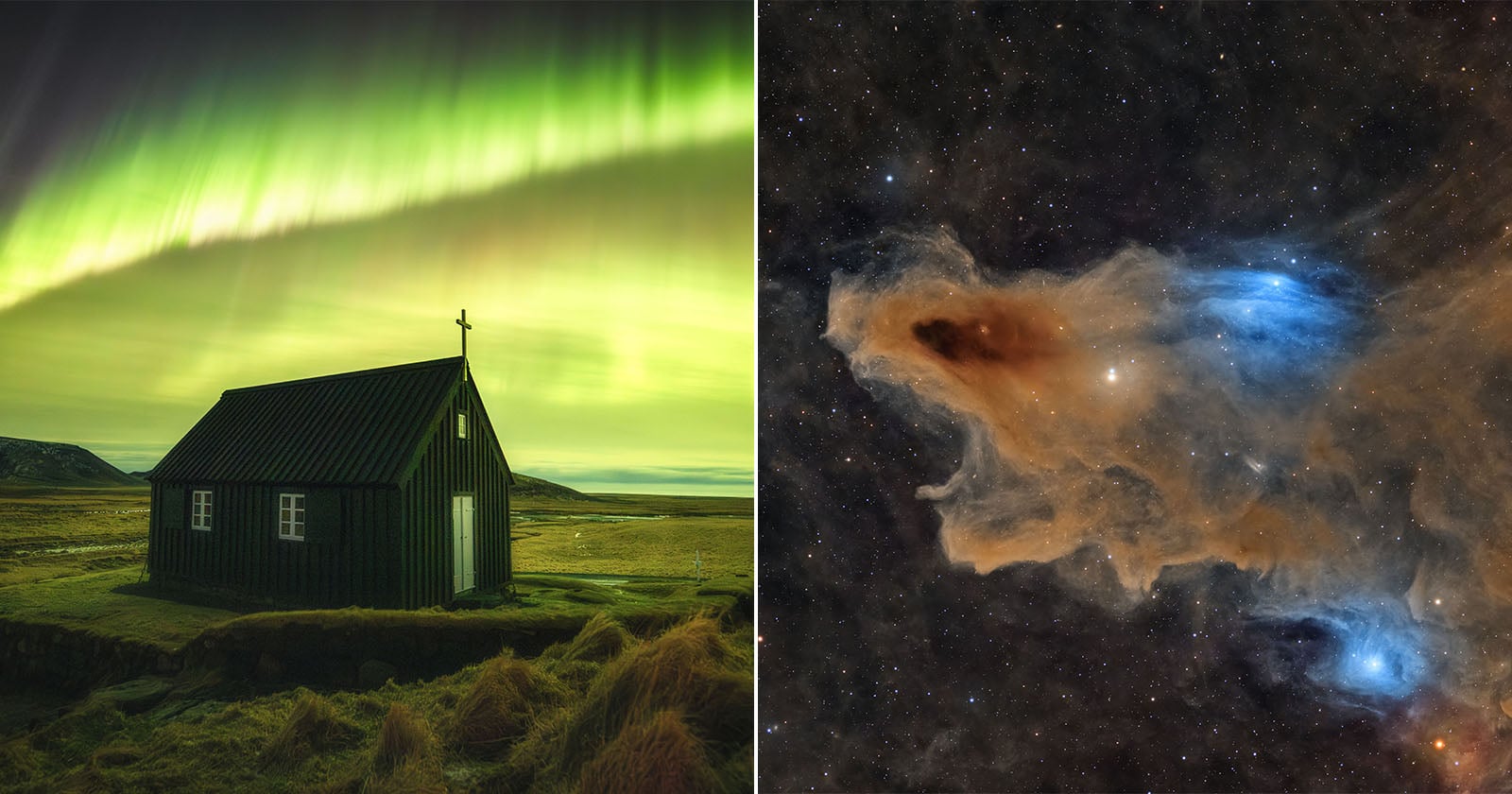
There is a particular kind of quiet that settles over a gallery when a photograph stops being an image and becomes a place you want to step into. Ali Alobaidly's winning capture of the Shark Nebula in this year's Royal Observatory Greenwich ZWO Astronomy Photographer of the Year 18 does exactly that. It is not merely a document of deep space; it is a curated invitation to consider the artistry inherent in the cosmos. The detail is so precise, the ethereal quality so pronounced, that the predator-like shape feels less like a celestial accident and more like a deliberate composition. For our readers, this is a reminder that the most compelling visuals are not always found in a studio; sometimes they are written in light years.
This win resonates with a philosophy we hold close: that authenticity and artistic vision are inseparable. In our world, we often talk about crafting experiences, whether that is through a boudoir session across Florida's coast or creating comfortable portrait experiences that put subjects at ease. Alobaidly's work is a masterclass in patience and technical mastery, but the real takeaway is the emotional resonance he achieves. He does not just capture a nebula; he captures a mood, a feeling of awe that transcends the scientific. This is the same principle that guides our own creative collaborations: the gear matters, but the connection and the feeling behind the image matter more. It is a powerful reminder that whether you are shooting a portrait or a star system, the goal is to reveal a truth that feels both intimate and expansive.
What we appreciate most about this accolade is what it signals for the broader creative community. It elevates the conversation beyond megapixels and apertures, focusing instead on the singular vision of the artist. The £10,000 prize is a welcome validation, but the real reward is the global stage it provides for a piece that asks us to look up and wonder. We would tell any reader who is hesitant about their own creative path to look at Alobaidly's success as a benchmark for dedication. It is not about having the most expensive equipment; it is about having a distinct perspective and the discipline to chase it, whether that means waiting for the perfect light in a studio or the perfect alignment in the night sky. The Leica Lux 2.0 update reminds us that artistic tools are becoming more accessible, but the vision must remain the anchor.
The question this raises for us is not whether Alobaidly deserved the win, because he clearly did, but rather how we can all push our own boundaries to find the extraordinary in the familiar. In a world saturated with images, the challenge is to create work that stops the scroll, that invites a second look, and that feels as authentic as a star's light reaching us after millions of years. We would tell our readers to study this image not just for its beauty, but for the lesson it holds about persistence and the willingness to find art in the void. The concrete takeaway? Invest in your craft, not just your gear, and trust that a unique perspective will always find its audience. The nebula was always there, waiting for the right eye to see it; your own vision is waiting for the same.