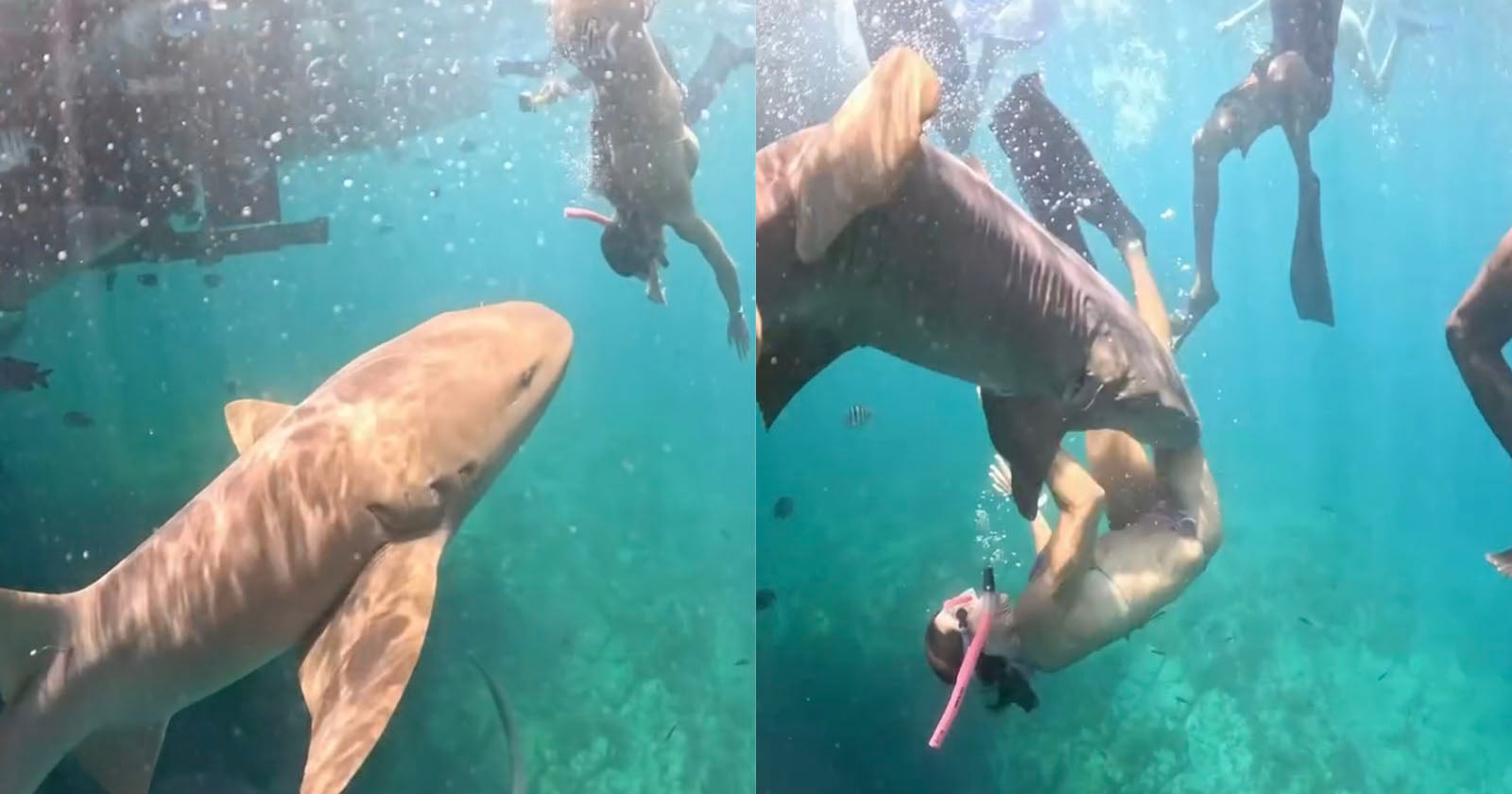
The image is a split screen, and that alone tells the story. On one side, a nurse shark glides through clear blue water, a creature of quiet grace. On the other, a snorkeler hovers too close, phone extended, chasing a moment that was never meant to be owned. The article reports that more and more people are getting bitten while trying to get that perfect shot, and our take is simple: the bite is not the real problem. The real problem is that we have started to treat wild animals as backdrops, and the ocean as a studio with no rules. We are watching a cultural collision between our curated digital lives and the unedited, unforgiving reality of nature, and nature is not the one editing the feed.
This is not about blaming a single influencer or shaming a photographer for wanting a dramatic frame. We get the pull. A shark is the ultimate symbol of power and mystery, and capturing that image can feel like borrowing a sliver of its majesty. But the article makes it clear that safety warnings are being ignored with increasing frequency, and that is where our concern sharpens. When you approach a shark for a photo, you are not just risking your limbs; you are conditioning the animal to associate humans with food or provocation. That is a recipe for disaster that extends far beyond one bad upload. We would tell any reader who asks us about this: the next time you feel the urge to reach for your camera underwater, ask yourself if the shot is worth becoming a cautionary tale. The answer, almost always, is no. Respect the animal enough to keep your distance, and you will find that the memory is worth more than any like.
For those of us who live at the intersection of lifestyle and adventure, this is a wake-up call about the stories we choose to tell. We curate our feeds to show vibrancy and immersion, but authenticity means showing the line between admiration and intrusion. It is not aspirational to ignore the basic tenets of wildlife safety for a few seconds of fame; it is reckless, and it makes the entire community of creators look tone-deaf. We would add that this is a moment to redefine what a "perfect shot" means. A great photograph does not require you to be in the animal's face. It requires patience, a good lens, and the wisdom to know when to stay still. The most powerful images are often the ones that show the animal in its element, not your flipper in its territory.
So, here is our concrete takeaway: the next time you book a trip or plan a shoot, build a buffer into your shot list. Make it a personal rule that you will not photograph a shark from closer than the recommended distance, no matter how tempting the angle. And if you are a brand or a publication, stop rewarding content that glorifies close encounters. The metric we should be watching is not how many views a bite video gets, but how many creators publicly decline to take the risk. We would love to see more side-by-side comparisons in our feeds, not of sharks and swimmers, but of smart, respectful photography versus the reckless alternative. Because the moment we normalize treating a wild predator as a prop, we are not just courting injury; we are erasing the very wildness we claim to celebrate. That is the shot we should all be afraid of missing.