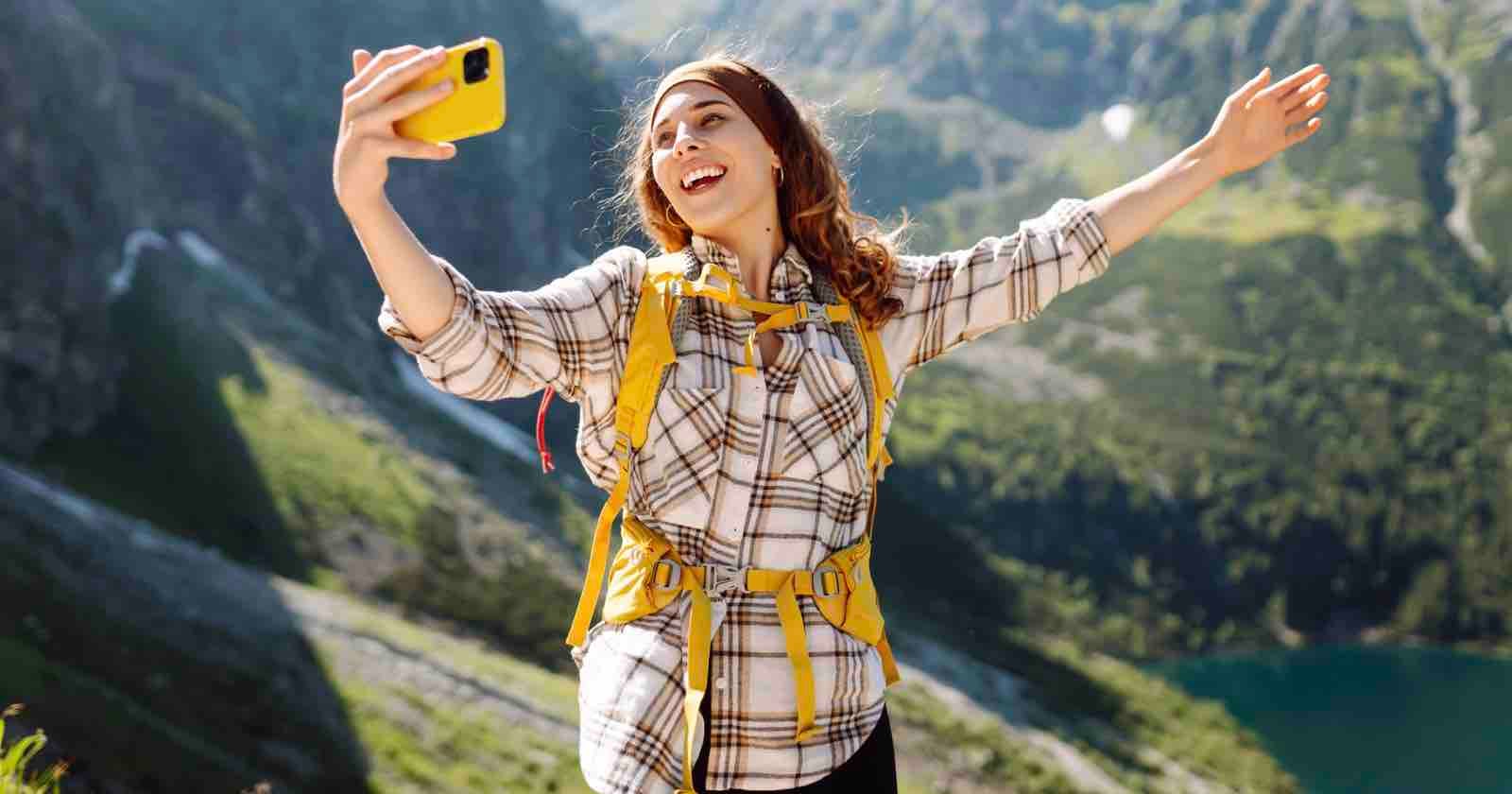
The mountains have always been a place for quiet pursuit, a test of the self against the stone and the sky. But the recent reports of young climbers and hikers needing rescue after chasing a specific frame for social media suggest a shift in what we are asking the landscape to provide. It is no longer just about the summit or the trail; it is about the perfect shot, the dramatic perspective that will stop the scroll. This desire for a curated visual payoff is not new, but its intensity is. We see the same drive for a perfect, shareable moment in the street photography we admire, the kind of spontaneous artistry covered in our piece on Finding Joy on the Streets, One Frame After Fashion, yet the stakes in the backcountry are incomparably higher.
This is not a simple case of vanity, nor is it a reason to dismiss the artistry involved in capturing a stunning landscape. The line between documenting a beautiful place and endangering yourself to curate a persona is where the problem begins. We are not here to shame the aesthetic impulse; the technical skill required to compose a striking image is a craft worth celebrating, much like the patience seen in astrophotography, where photographers wait hours to capture the cosmos, as detailed in our journey Capturing Cosmic Beauty: An Astrophotography Journey with Nikon. The difference lies in the risk calculus. That astrophotographer is wrestling with camera settings and weather, not dangling over a precipice to get a ledge that may not even be stable. The intent is to capture the beauty of the world, not to perform a stunt for validation.
For our readers, the creatives and the health-conscious, the practical takeaway is a return to intentionality. Before you step off the trail, ask yourself what you are actually seeking. If the primary goal is a photograph that will generate likes, the mountain will eventually punish that shallowness. The rescue teams, the search and rescue volunteers, they are not just saving a body; they are saving a person who made a series of choices that prioritized a digital reflection over physical safety. We would tell a reader who asks us about this: treat the image as a byproduct of the experience, not the reason for it. Your safety is the only aesthetic that matters. The most authentic content you can create is the memory of a hike where you were present, not the photograph you took to prove you were there.
The specific consequence to watch is not just the rise in rescue calls, but the inevitable regulatory response. If the community cannot self-police this behavior, authorities will begin to implement permits, fines, or closures that restrict access for everyone. We are already seeing popular trails require reservations. The freedom to explore the wild is a privilege, and it is being threatened by a minority who confuse a mountain with a studio. We should be looking for the artistry in the Experience Photography's Artistry: The 5 Boro Foto Fest Returns world, in the craft of the image, not in the danger of the capture. The mountain will give you a perspective, but only if you respect its terms. That is the only frame we should be chasing.