CIPA Just Confirmed What Every Camera Brand Was Afraid Of
Our take
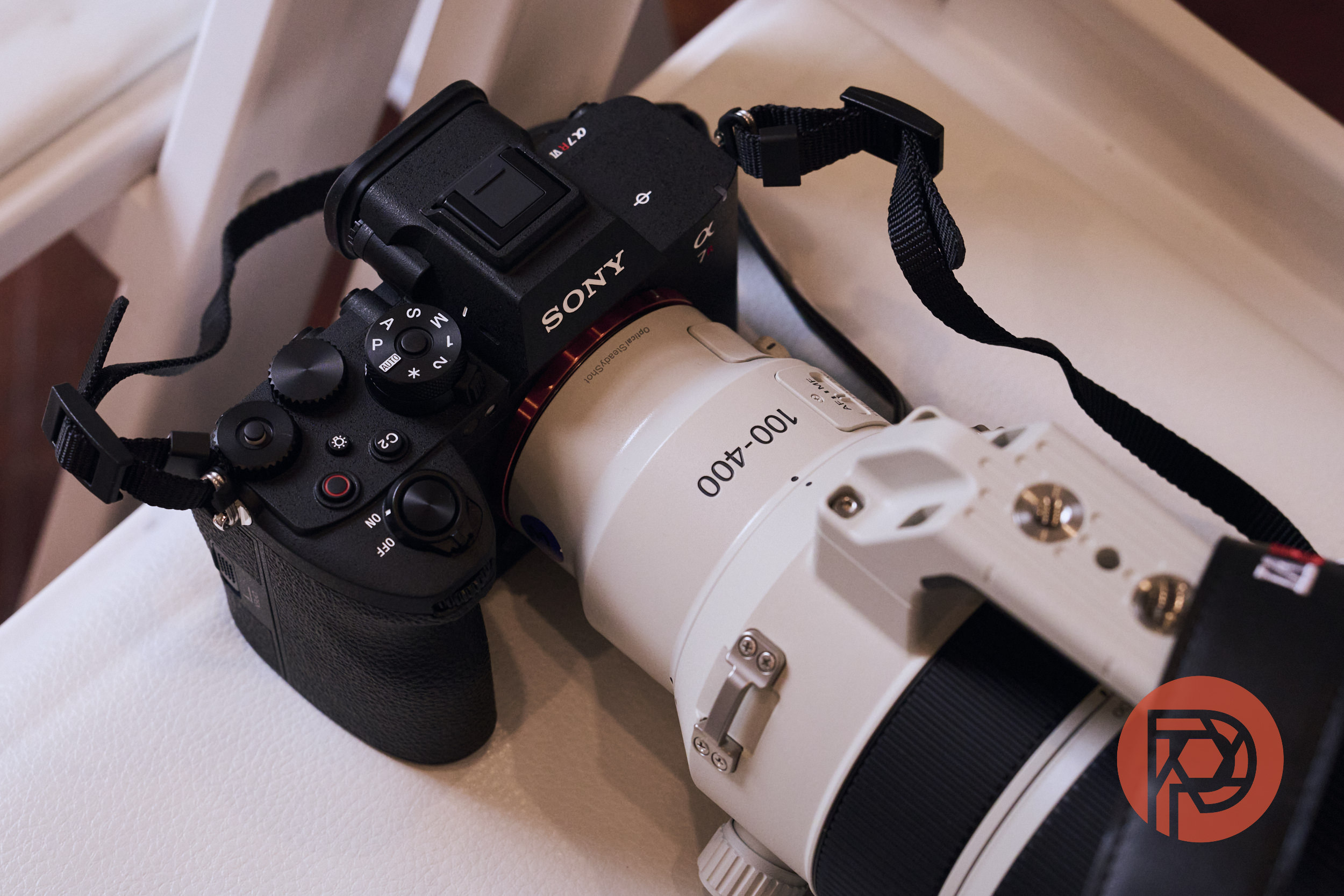
The latest CIPA report confirming a slowdown in the camera industry isn't a surprise to those closely following the landscape. It’s a culmination of several converging pressures, a reality we’ve been hinting at in pieces like The LUMIX ZS99 is the Best Point and Shoot for the Money, where we highlighted the ongoing value proposition challenges even within seemingly robust segments like point-and-shoots. The industry’s innovation engine, while still producing impressive advancements like stacked sensors and global shutters, is struggling to translate those innovations into sustained sales growth. This stalling isn’t just about a temporary dip; it reflects a deeper shift in how consumers capture and share images, a shift accelerated by platforms like Instagram, whose AI capabilities, as revealed in Meta Says It Has Scanned Every Single Public Instagram Post, are rapidly reshaping the visual landscape.
The core issue isn't necessarily a lack of compelling technology, but rather a disconnect between what manufacturers are producing and what consumers truly desire. The escalating costs of materials and manufacturing, compounded by global events like the recent earthquake impacting key Japanese facilities – a situation we covered with Sony and Fujifilm Evacuate Factory Workers as Earthquake Strikes Japan – are undeniably squeezing margins. These economic headwinds are forcing brands to make difficult choices: either absorb the costs and sacrifice profitability or pass them on to consumers, potentially alienating a market increasingly sensitive to price. Furthermore, the rise of smartphone photography, continually improving in both hardware and software, provides a remarkably convenient and accessible alternative for the vast majority of users. While dedicated cameras still offer superior image quality and creative control, the gap is narrowing, and the convenience factor often outweighs the technical advantages for casual users.
The implications of this slowdown are far-reaching. We're likely to see a consolidation within the camera industry, with smaller brands struggling to compete and larger players potentially acquiring competitors to expand their market share or access valuable technologies. Innovation will likely become more focused and targeted, prioritizing features that cater to specific niches—professional photographers, videographers, and serious hobbyists—rather than attempting to appeal to the mass market. The emphasis will shift from simply producing more cameras to creating cameras that offer a truly unique and compelling value proposition, whether that’s through specialized sensors, advanced computational photography capabilities, or seamless integration with creative workflows. This curated approach, focusing on quality and specific needs, aligns with a growing consumer preference for authenticity and experiences over sheer volume of products.
Looking ahead, the camera industry's trajectory hinges on its ability to adapt to the evolving visual ecosystem. Can manufacturers successfully integrate AI-powered features—beyond simple scene recognition—to enhance the creative process and bridge the gap with smartphone photography? Will there be a resurgence of interest in physical media and dedicated cameras driven by a desire for a more tangible and curated photographic experience, a reaction against the ephemeral nature of social media? The answer to these questions will determine whether the industry can reignite growth and reclaim its position as a central player in the world of visual storytelling.
Read on the original site
Open the publisher's page for the full experience