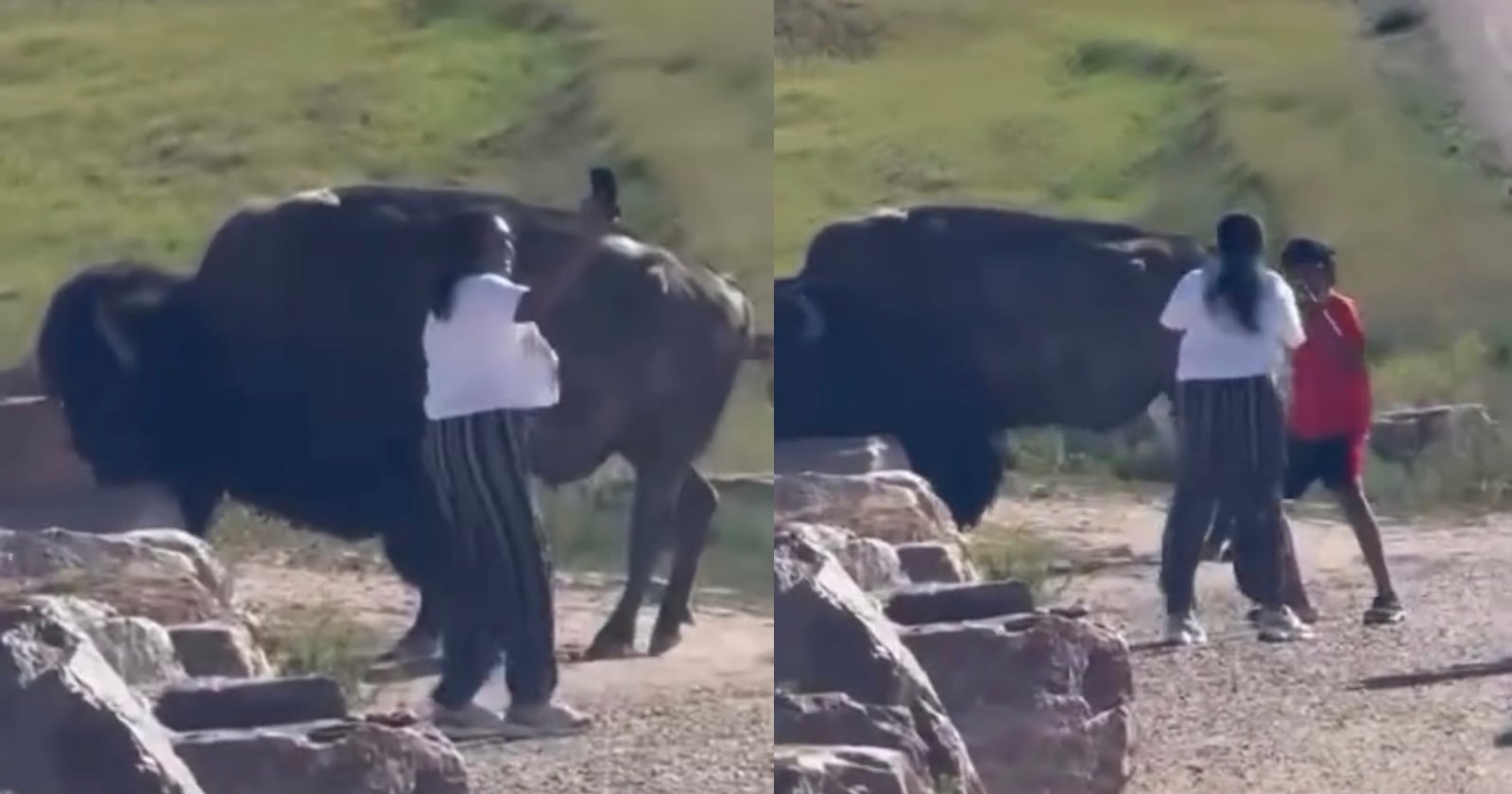
There's a particular kind of arrogance that comes with treating a national park like a backlot, and the recent footage of a tourist snapping selfies inches from a massive wild bison captures it perfectly. The image is almost too on-the-nose: striped pants, a white shirt, and a red companion, all posing beside a creature that could crush them without breaking a sweat. This comes just weeks after a photographer caught a man being hurled eight feet into the air by one of these animals. We aren't surprised, but we are tired. Tired of the same script playing out, where the desire for a curated frame overrides basic respect for the living, breathing wildness right in front of us.
This isn't just a story about bad decisions, though it is certainly that. It's a story about how we've come to see the world as content first and reality second. We see this same impulse in how we approach our own creative pursuits. Just look at how we cover street photography, where the joy is in the unscripted moment, or how we document the stark realities of wildlife conservation, as seen in the recent cheetah population survey. In those cases, the lens is a tool for connection and understanding. Here, the lens is a weapon of self-delusion, a way to perform bravery while ignoring the very real consequences that nature is all too willing to deliver. The bison isn't a prop, and it isn't posing. It's a wild animal having a very bad day, and we are the ones making it worse.
The practical takeaway for our readers, the ones who appreciate the artistry in a frame and the authenticity of a moment, is simple: put the phone down. We get the allure. We understand the pull of a dramatic shot, the desire to show the world that you were there, that you stood close to something powerful. But the best photographs, the ones that actually mean something, are rarely the ones where you risk your life for a few extra likes. A true artist respects their subject, and in this case, the subject is a 2,000-pound animal with horns and a short temper. If you want to capture its majesty, do it from a distance. Use a long lens. Let the animal be the hero of its own story, not a supporting actor in yours.
What we would tell that tourist, if we could, is that the memory of being gored isn't a story worth telling. The video of you running for your life might get views, but it won't get respect. The real question isn't how close you can get, but how much you can see without needing to touch. We'll be watching for the next incident, not with amusement, but with a quiet sense of dread. The specific detail to watch for is whether any park will finally start issuing citations that match the severity of the risk, because a fine is the only language some people seem to understand. Until then, keep your distance, and keep your camera steady. Some shots are worth the wait; the ones taken from a safe distance are the ones you'll be glad you lived to share.