Court Orders Sports Photography Festival to Reinstate Gaza Soccer Photo
Our take
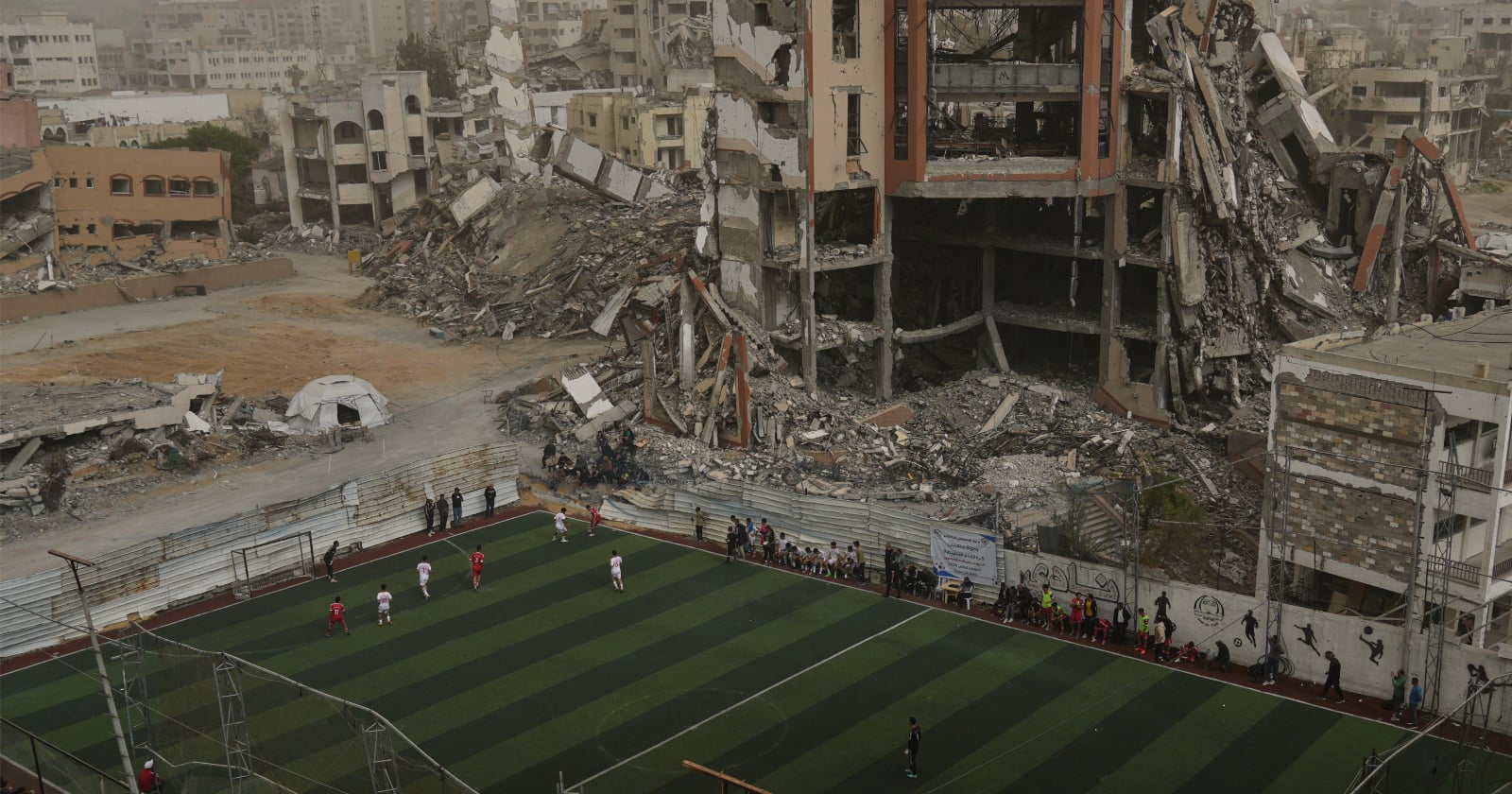
The recent court order mandating the reinstatement of an Associated Press photograph depicting a soccer game in Gaza to a sports photography festival underscores a critical tension within the visual storytelling world: the balance between artistic expression, editorial integrity, and external pressures. The festival’s initial decision to remove the image, reportedly following external pressure, highlights the vulnerabilities of even seemingly robust cultural institutions when confronted with political sensitivities. It’s a situation that echoes the challenges faced by Jean-François Leroy, founder of Visa pour l’Image [Jean-François Leroy, Founder of World’s Leading Photojournalism Festival, Dies], a festival known for its commitment to showcasing impactful photojournalism, demonstrating the inherent risks in presenting challenging narratives. This case is not merely about a single photograph; it’s about the principles of freedom of expression and the responsibility of platforms to uphold them, particularly when those narratives originate from conflict zones. The very act of censorship, even under duress, sets a dangerous precedent, potentially chilling the willingness of photographers to document difficult realities and limiting the public’s access to vital perspectives.
The broader context here revolves around the increasing scrutiny faced by media organizations and artistic spaces when addressing sensitive geopolitical issues. We’ve seen, as evidenced by stories like “I Found a Famous Photographer’s Early Print for Just $5 in an Antique Store” [I Found a Famous Photographer’s Early Print for Just $5 in an Antique Store], the enduring power of a single image to capture a moment in time and resonate across generations. Removing that image, especially when it offers a glimpse into the lives of people enduring hardship, feels like a deliberate attempt to erase a narrative. Furthermore, it’s worth noting the irony of a sports photography festival, inherently celebrating human endeavor and competition, being forced to suppress an image that depicts those same qualities within a context of devastation. The story of "World’s Worst Photographer Publishes Her Images From Iceland” [World’s Worst Photographer Publishes Her Images From Iceland] reminds us that even imperfect imagery can hold profound value, and the suppression of any image, regardless of perceived artistic merit, warrants careful consideration. The court’s intervention is a necessary affirmation of the importance of allowing these narratives to be seen and considered.
This incident also compels us to examine the responsibility of festivals and platforms in creating safe spaces for dialogue, even when those dialogues are uncomfortable. It’s not about advocating for any particular political stance; it’s about recognizing the intrinsic value of visual documentation in fostering understanding and empathy. The decision to remove the photograph, regardless of the motivations behind it, arguably stifled that potential for understanding. A curated space, such as a photography festival, should be a place where diverse perspectives are welcomed and explored, not a place where narratives are suppressed due to fear of controversy or external pressure. Maintaining a commitment to artistic integrity requires a willingness to confront challenging issues, even when it’s difficult. The court's decision is a reminder that this commitment is not simply a matter of principle, but a vital component of a free and informed society.
Looking ahead, the implications of this case are significant. It’s likely to fuel ongoing debates about the role of artistic institutions in navigating politically charged landscapes, and the extent to which they can or should resist external pressures. Will this ruling embolden other organizations to challenge censorship attempts? Or will it create a climate of heightened self-censorship, as institutions become increasingly wary of attracting unwanted attention? The long-term impact on the freedom of visual storytelling, particularly in regions experiencing conflict, remains to be seen. One crucial question is whether this ruling will lead to a broader re-evaluation of the protocols and safeguards needed to protect artistic expression in an era of heightened political sensitivity, and how festivals can cultivate resilience against external pressures while remaining committed to their core values of showcasing impactful and diverse visual narratives.
A court has ordered a sports photography festival to reinstate an Associated Press photographer’s image of a soccer game in Gaza after organizers removed it following outside pressure.
Read on the original site
Open the publisher's page for the full experience