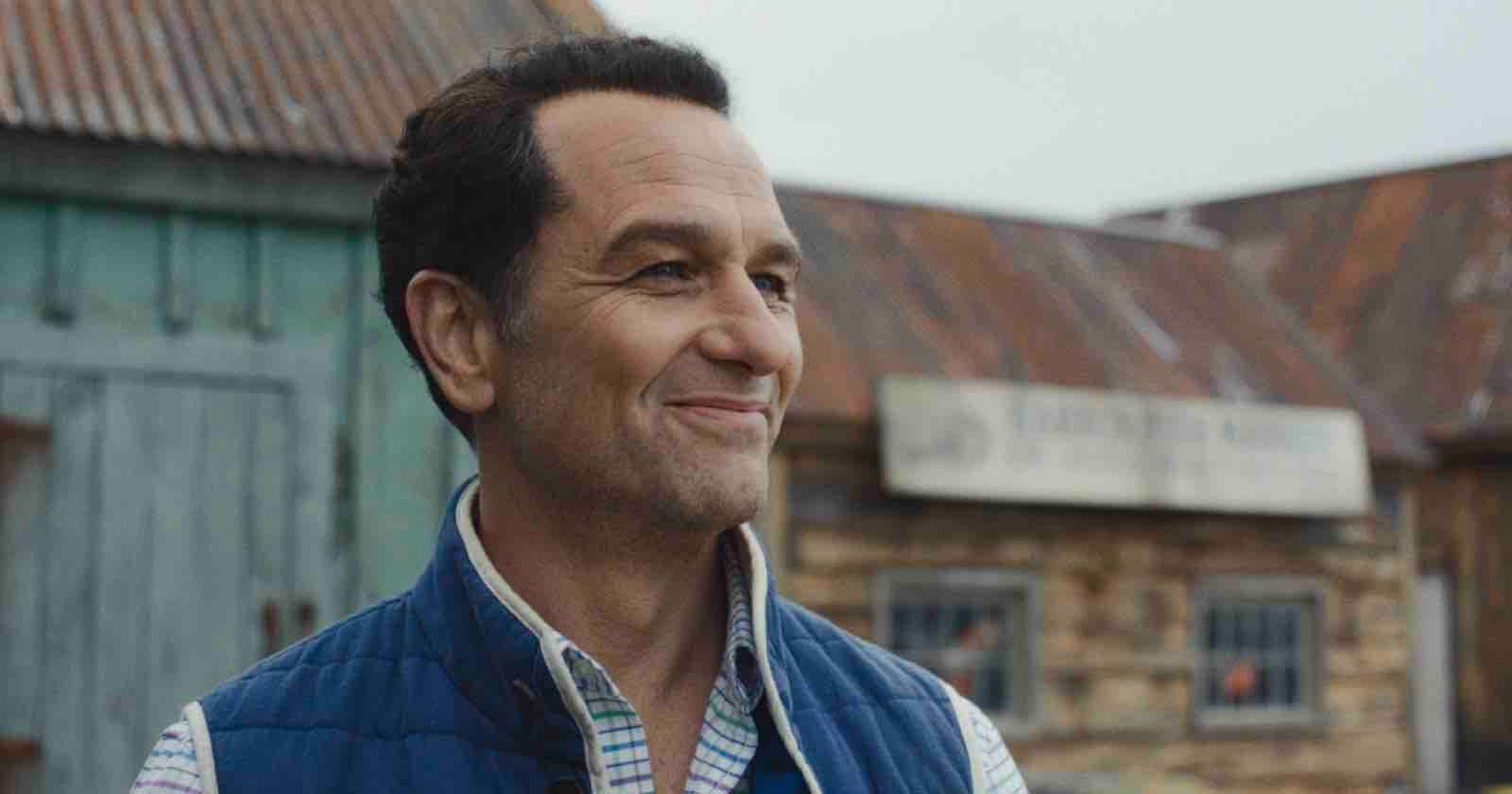
There is a particular kind of magic in watching a cinematographer pull back the curtain, especially when the work has that rare alchemy of being both unsettling and irresistibly stylish. The revelation behind *Widow's Bay*'s haunting aesthetic is a reminder that the shadows we see on screen are never accidents; they are curated choices, layered with intention. It echoes the same spirit we admire in Finding Joy on the Streets, One Frame After Fashion, where the ordinary is transformed into something worthy of a second glance. Both are exercises in vision, proving that the camera is less a tool and more an extension of a singular perspective.
What strikes us most about this story is the discipline behind the dread. In an era where horror often relies on jump scares and desaturated filters, the show's approach feels refreshingly authentic. The cinematographer's process, as described, is not about hiding in the dark but about sculpting with it. This is a craft that speaks to our core audience: those who understand that style is not superficial. It is a language. We see this same dedication in Capturing Cosmic Beauty: An Astrophotography Journey with Nikon, where the vastness of space is made intimate through technical mastery. In both cases, the creators are translating the intangible, whether it is a ghostly presence or a distant galaxy, into a visual rhythm that feels both immersive and earned.
If you ask us, the real takeaway here is the quiet confidence in restraint. The show does not shout its aesthetic; it invites you to lean in, to feel the texture of a scene before the scare lands. For our readers, the practical lesson is simple: look at your own work, whether it is a portrait or a street scene, and ask what you are choosing to hide. The shadows are not the absence of light; they are a canvas. This philosophy aligns beautifully with the energy of Experience Photography's Artistry: The 5 Boro Foto Fest Returns, which champions photography as a participatory art, one that rewards those who look closer. It is not about having the best gear or the most dramatic setting; it is about the perspective you bring to the frame.
The specific detail to watch here is how the cinematographer balances the comedic and the horrific. That tonal tightrope is where so many productions falter, yet this one seems to walk it with a knowing smile. The result is a visual identity that feels alive, breathing alongside the narrative rather than just servicing it. For anyone chasing that same cohesion, the takeaway is direct: let your style serve the story, not the other way around. When the mood is right, the audience will feel it before they fully understand it. That is the kind of artistry we can all aspire to, one deliberate shadow at a time.