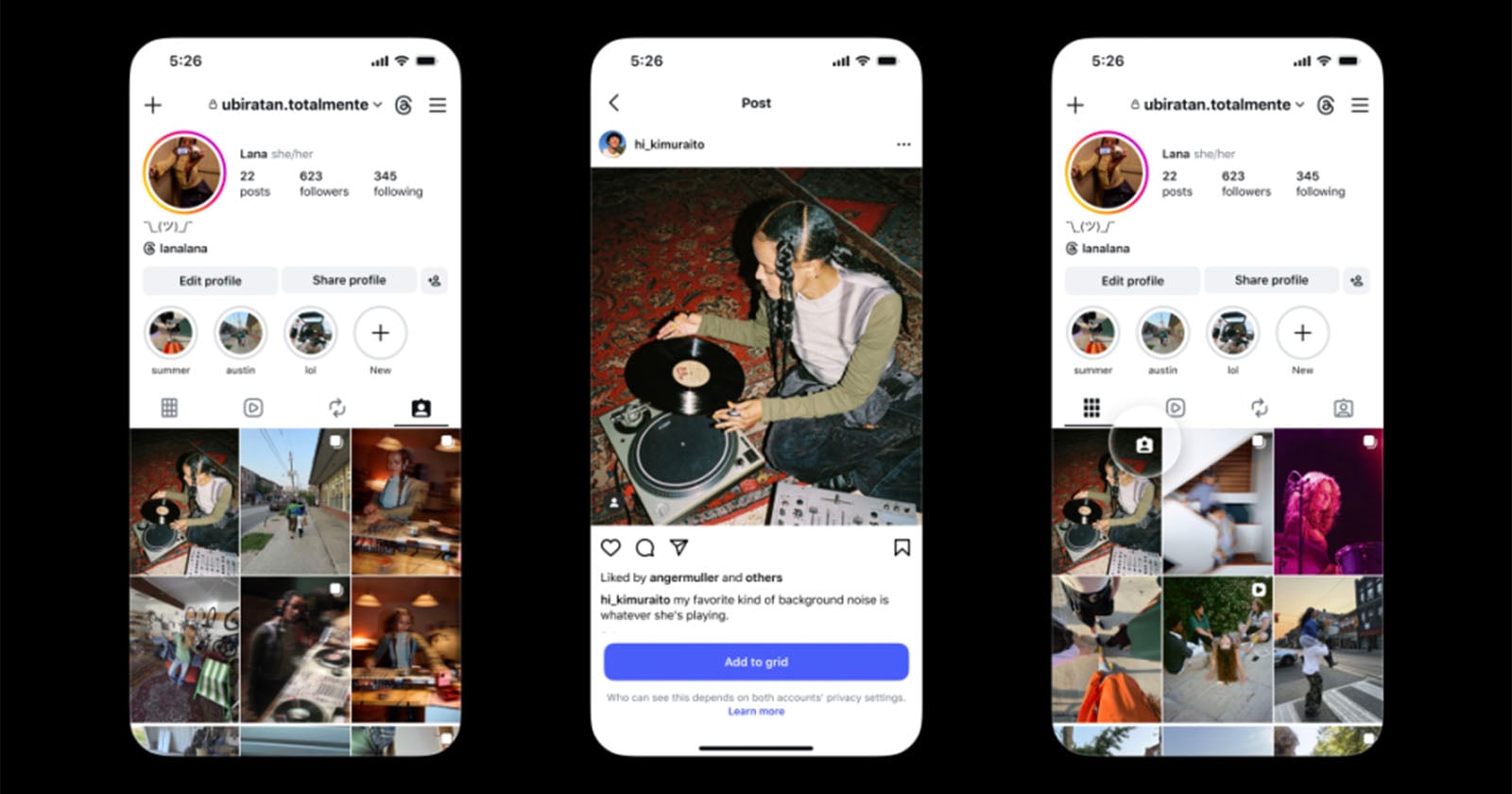
The subtle shift in Instagram’s functionality—allowing users to incorporate tagged posts directly into their main grid—represents a quiet but significant evolution in how we curate our online identities. It's a move away from the rigidly constructed, often painstakingly planned aesthetic, and toward a more fluid, lived-in presentation. This feels particularly relevant given the recent trend of brands and individuals alike seeking a more authentic connection with their audiences, a desire echoed in pieces like [A Moment to Savor: Hotel Prioritizes Experience Over Social Media], where we explored the backlash against performative social media consumption. The ability to seamlessly integrate tagged content blurs the lines between documented experience and carefully curated image, offering a pathway towards a more genuine reflection of one's life and interests. It's a fascinating development that moves beyond the traditional pursuit of a flawless grid, acknowledging that life—and its visual documentation—is rarely perfectly symmetrical. And it’s not just about aesthetics; it’s about storytelling, allowing a narrative to unfold across the grid in a more organic and relatable way.
This feature also speaks to a broader trend in creative tools evolving to empower more intuitive and expressive workflows. The arrival of [Premiere Arrives on Android: Elevate Your Mobile Video Editing] just over a year ago highlighted a similar shift – bringing powerful video editing capabilities to mobile, democratizing content creation and allowing for more immediate and personal storytelling. Instagram’s update follows a similar logic, streamlining the process of incorporating user-generated content into a personal brand or aesthetic. Consider the implications for artists, designers, and photographers who frequently collaborate; suddenly, showcasing joint projects becomes far more integrated and visually appealing. It also offers a new layer of engagement, subtly encouraging users to tag each other and contribute to one another's visual narratives. This shift acknowledges the inherent social nature of the platform, moving beyond a purely individualistic presentation.
However, this ease of integration does present a new set of considerations. Maintaining a cohesive aesthetic while incorporating potentially disparate tagged posts will require a more nuanced approach to grid planning. The challenge lies in finding a balance between authenticity and visual harmony, ensuring the inclusion of tagged content doesn’t disrupt the overall flow and intentionality of the grid. While this offers a refreshing departure from overly polished feeds, the curated nature of Instagram still dictates a certain level of visual cohesion. The implications for brand consistency are also noteworthy; businesses will need to carefully consider how this feature impacts their visual identity and messaging, particularly when user-generated content is involved. [Beyond the Frame: Protecting Young Explorers in an Age of Viral Discovery] highlights the broader ethical considerations of online sharing, and this new feature demands careful attention to privacy and consent, especially when it involves tagging minors or sharing content without explicit permission.
Ultimately, Instagram’s addition of tagged post integration is a subtle but powerful step towards a more dynamic and authentic social media landscape. It’s a move that prioritizes lived experience and collaborative storytelling over rigid perfection, inviting users to embrace a more fluid and relatable presentation of their lives. As the platform continues to evolve, the question remains: will this feature truly foster a more genuine connection between creators and their audiences, or will it simply lead to new, more sophisticated forms of curation and performance? Only time will tell if this seemingly small change will fundamentally reshape the way we construct and consume visual narratives online.