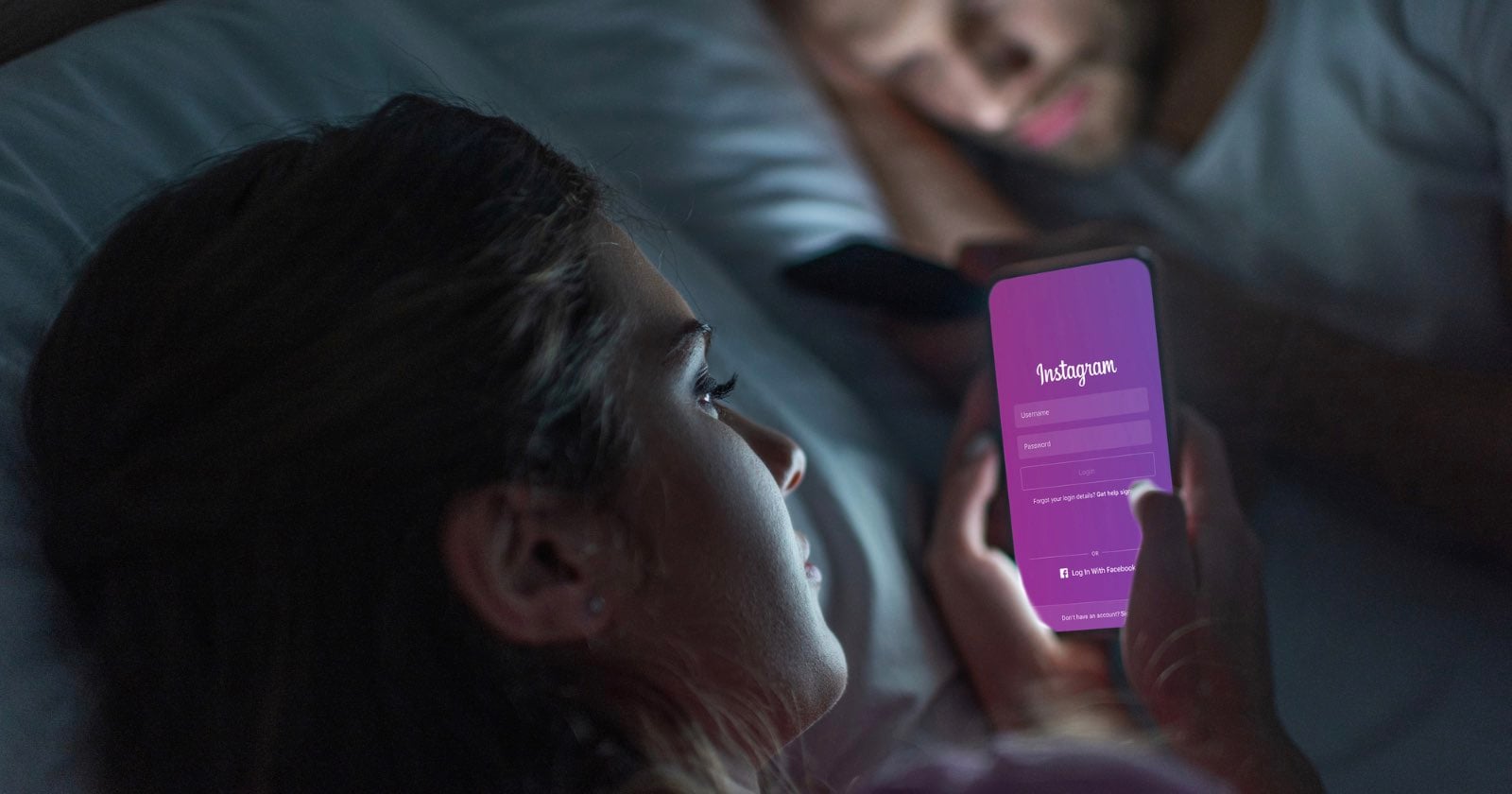
There's something quietly radical about the idea of choosing your own digital path. Australia's plan to let users opt out of algorithmic recommendations is a move that feels less like a policy shift and more like a cultural invitation. It's an acknowledgment that our feeds have become curated galleries, but ones where we've surrendered the curatorial role. For a publication that celebrates the artistry of choice, whether in photography or the stories we tell, this is a moment worth pausing over. It echoes the same spirit we see in the Experience Photography's Artistry: The 5 Boro Foto Fest Returns, where the frame is something you step into, not something that traps you. The algorithm has been the invisible gallery owner for too long, deciding what deserves your gaze and what gets buried in the archive.
But let's be honest: this isn't just about decluttering your feed. It's about reclaiming a sense of agency in a space that has felt increasingly predetermined. The Australian law, if it passes, won't force anyone to leave the algorithmic garden, but it hands you the shears. That's a meaningful distinction. It's the difference between being a passive audience member and an active participant in your own digital narrative. We've seen the alternative play out in messy, human ways, like when A Curated Moment: Trump Shares Altered Image on Truth Social reminded us how easily a single image can be shaped by the platform's logic, not the truth. Or when Aspirational Image, Unexpected Exit: CEO Departs After AI Photo showed how the line between authentic and manufactured can blur, even in professional spaces. Algorithms amplify those blurs, feeding us more of what we didn't ask for, until we forget we had a choice.
What would we tell a reader who asks, "Is this actually a big deal?" Yes, but not because it will instantly fix the internet. It's a big deal because it normalizes the question of consent in the digital space. We're so used to the feed deciding for us that the act of switching it off feels almost rebellious. Yet it shouldn't be. The practical takeaway here is simple: you can now ask for the unvarnished version, the chronological scroll, the feed that doesn't know your fears or your late-night curiosities. It's not about rejecting discovery; it's about rejecting the idea that discovery must be engineered. For the creative souls among us, the ones who find inspiration in the accidental and the raw, this is an invitation to wander without a map. And for the brands and creators who rely on reach, it's a gentle nudge to earn attention through substance, not just algorithmic luck.
The open question, of course, is whether the platforms will comply with grace or resistance. Will the opt-out be buried in settings, or will it be a visible act of empowerment? That detail matters. Because the spirit of this law isn't just about the toggle; it's about signaling that our attention is not a resource to be harvested without our input. Watch for how the platforms respond, not in their press releases, but in the design of the choice itself. If it feels like a trap, we'll know. If it feels like a breath of fresh air, we'll all be a little more inclined to take it.