Curiosity Photographs a ‘Sea of Polygons’ on Mars
Our take
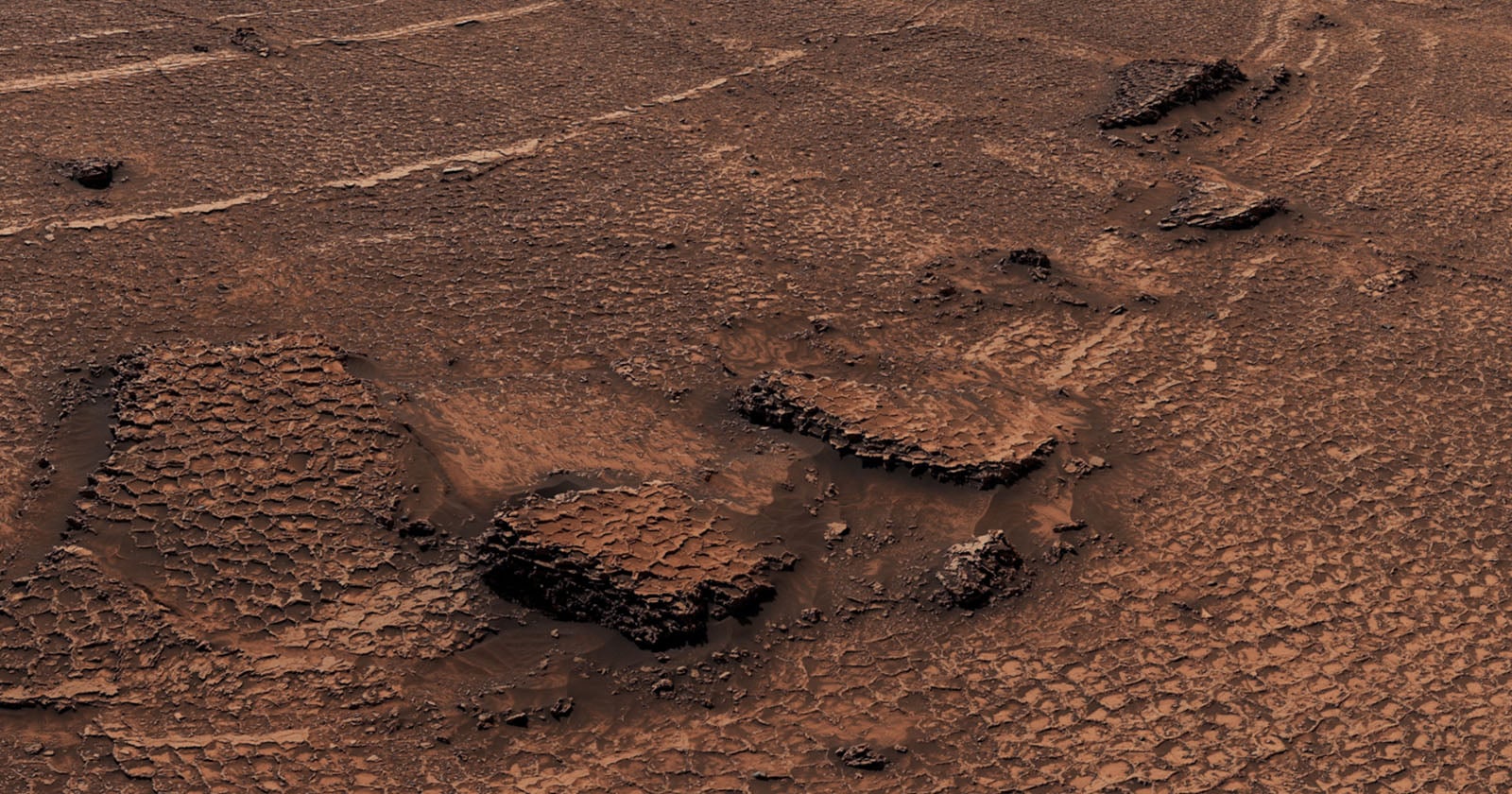
The Martian landscape continues to unveil its secrets, and Curiosity’s recent discovery of expansive, polygonal patterned ground in "Valle Grande" is particularly compelling. These aren't isolated formations; we're talking about a "sea of polygons," as the report notes, stretching across a significant area. While patterned ground has been observed on Mars before, the sheer scale of this instance is unprecedented. It immediately sparks questions about the geological processes at play, hinting at a history of freeze-thaw cycles, contraction cracking, or possibly even ancient water activity far more extensive than previously imagined. This kind of ground formation is often associated with permafrost environments here on Earth, leading to a natural, though preliminary, speculation about past climate conditions on Mars. For those interested in the broader context of Martian geology, The Search for Ancient Water on Mars provides a good overview of previous findings and ongoing investigations. The implications for understanding the planet's past habitability are substantial, and this discovery adds another layer to the complex narrative of Mars’ evolution.
The beauty of Curiosity's findings extends beyond the scientific implications; the images themselves are strikingly artistic. The geometric precision of the polygons, set against the familiar reddish hue of the Martian soil, creates a visually arresting scene. It’s a stark reminder of the alien beauty that exists beyond our own planet, a beauty that inspires both awe and a desire to understand. This resonates deeply with our audience who appreciate the intersection of artistry and discovery. Consider the recent findings regarding the intriguing "dragon scales" observed by Curiosity earlier this year — Curiosity Finds Dragon-Scale Rocks on Mars — these ongoing anomalies suggest a greater complexity in Martian geology than we initially appreciated. The recurring theme of unusual rock formations highlights the potential for unexpected discoveries as Curiosity continues its exploration, and reinforces the value of robotic exploration in expanding our understanding of the universe. The photographs themselves possess a certain elegance, inviting contemplation and prompting us to consider the forces that shaped this distant, yet strangely familiar, landscape.
What’s particularly exciting about this polygonal ground discovery is the potential for further investigation. The layered structure visible in the images suggests a history of deposition and alteration, offering multiple avenues for scientific inquiry. Future analysis of the rock composition using Curiosity's onboard instruments could reveal clues about the minerals present, the temperatures at which they formed, and the role of water in their creation. The scale of the formation also presents a challenge and an opportunity. It's unlikely Curiosity will be able to fully traverse and analyze the entire area, meaning that future missions, potentially involving sample return, will be crucial to fully understanding the formation's history. This discovery underscores the importance of continued investment in space exploration and the development of advanced technologies that will allow us to unravel the mysteries of our solar system. It further highlights the power of robotic missions to provide invaluable data that informs our understanding of planetary processes.
The prevalence of polygonal ground, if confirmed to be widespread, could redefine our models of Mars’ past climate and geological activity. It's a significant departure from the prevailing narrative of a cold, dry planet, suggesting periods of potentially more dynamic environmental conditions. While the exact mechanisms responsible for the formation remain to be fully elucidated, the discovery compels us to re-evaluate our assumptions and consider alternative scenarios. The question now shifts to further refinement: are these features unique to "Valle Grande," or are they more common across the Martian surface? And crucially, what does the presence of such formations ultimately tell us about the potential for past life on Mars? The answers, undoubtedly, lie in continued exploration and rigorous scientific investigation, a process that promises to yield even more astonishing revelations in the years to come.
While NASA's Curiosity Mars rover routinely finds interesting-looking rocks, including ones that looked like dragon scales just a few months ago, its latest discovery in "Valle Grande" shows honeycomb-like rocks at a never-before-seen scale.
Read on the original site
Open the publisher's page for the full experience