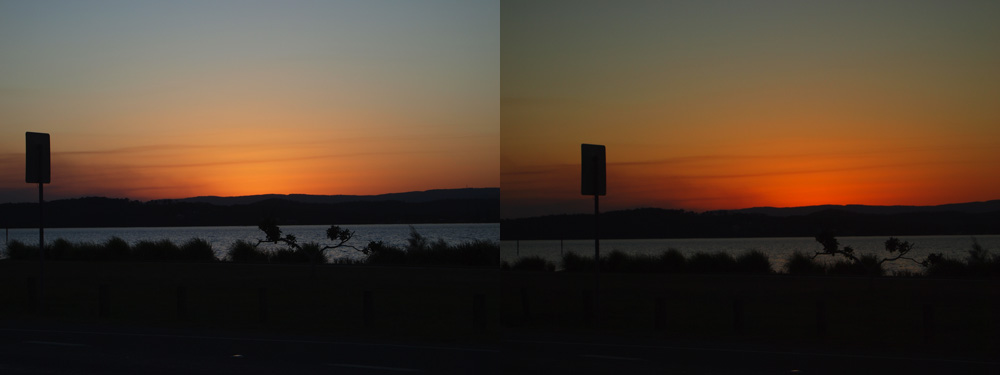
There's a quiet thrill in watching someone demystify a craft we've been taught to revere from a distance. Light metering has long worn that cloak of exclusivity, whispered about in the same breath as medium format cameras and darkroom alchemy. The article cuts through that fog with a refreshing honesty, reminding us that the so called "black art" is really just a dialogue between what we see and what we want to feel. It's not about being elite; it's about being present. That's a sentiment we carry into every frame we make, whether we're chasing golden hour on a city street or waiting for the stars to align in a quiet field. For a deeper look at how that presence plays out in practice, our piece on Finding Joy on the Streets, One Frame After Fashion explores the accidental poetry of everyday moments, while Capturing Cosmic Beauty: An Astrophotography Journey with Nikon shows how the same principles stretch all the way to the night sky.
What we appreciate most about this story is its refusal to condescend. Too often, technical topics are either over simplified into bullet point banality or over inflated into myth. The author here walks a more elegant line, suggesting that the mystery isn't in the math, but in the intention behind the measurement. Metering isn't about chasing a perfect histogram; it's about deciding what matters in your frame and letting everything else fall away. That's an artistic stance, not just a technical one. It's the difference between recording a scene and composing a feeling. And in an era where our cameras are smarter than ever, choosing to understand the light is a form of creative rebellion. We'd tell any reader who asks us directly: stop fearing the meter, start trusting your eye, and let the exposure be the least interesting part of the image.
The practical takeaway here is almost embarrassingly simple, yet it's the one we keep circling back to. If you're struggling with exposure, don't buy more gear and don't read another manual. Go outside and shoot the same scene at every setting you can imagine. Overexpose, underexpose, spot meter off something absurd like a coffee cup or a friend's jacket. Learn what the meter is actually telling you, then learn when to ignore it. That's the secret. That's the whole craft. It's the same muscle you use when you're curating a wardrobe or styling a room; you feel your way into it, and soon the technicalities become second nature. And if you need more proof that this instinctive approach transfers across genres, our coverage of Experience Photography's Artistry: The 5 Boro Foto Fest Returns reminds us that the best photographers are the ones who treat rules as loose suggestions, not chains.
So here's where we land, and it's a specific one. The next time you're out shooting, don't just check your histogram. Ask yourself what you're protecting in the highlights and what you're willing to lose in the shadows. Make that choice deliberately, on purpose, and let the meter serve that vision rather than the other way around. That single shift in mindset will do more for your photography than any new lens ever will. And the next time someone tells you metering is a black art, smile, hand them your camera, and let them see what you see.