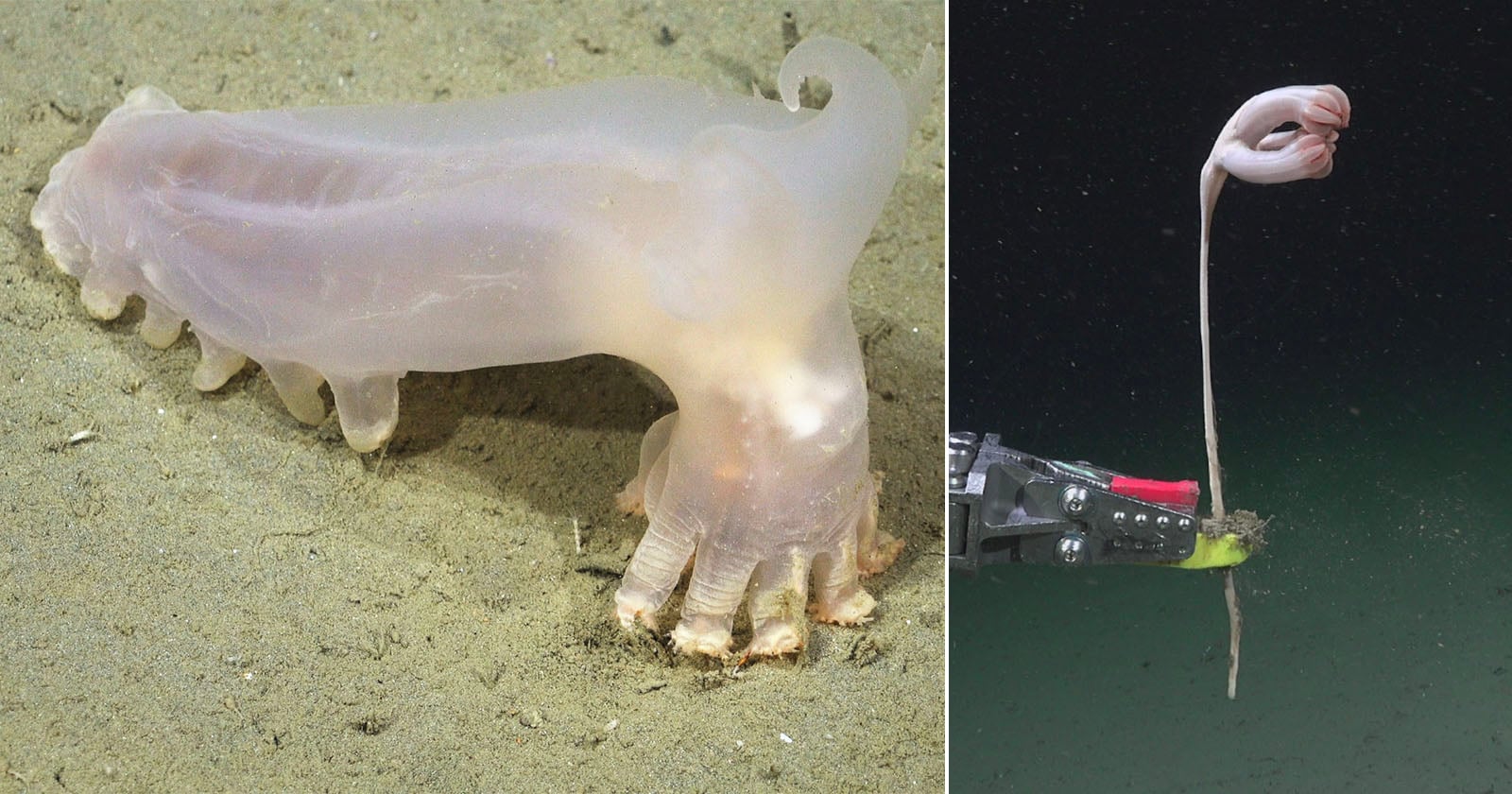
We have always believed that the most profound discoveries are not found at the summit, but in the depths. The Ocean Census Network's identification of 57 new marine species, and five entirely new genera, in just two weeks of exploration is a stunning reminder that our planet still holds secrets worth protecting. This is not a niche scientific footnote; it is a direct invitation to rethink how we understand life itself. When creatures so alien they defy easy description emerge from the dark, they challenge us to expand our definition of beauty, resilience, and belonging. For those of us who seek authenticity in every experience, from the fitness we practice to the fashion we wear, the ocean's hidden worlds offer a humbling truth: the most extraordinary designs are often the ones we cannot see.
The expedition's photos reveal animals that look sculpted by an imagination far stranger than our own. Yet what strikes us most is the emotional continuity between these deep-sea finds and the stories that surface closer to home. Consider the recent footage of a humpback whale mourning her dead calf in A Mother's Grief: Witnessing a Whale's Profound Loss, a study that gave us a window into grief as profound as our own. Or the playful collaboration between an octopus and a dolphin captured off the UK coast in An Unlikely Duo: Octopus and Dolphin Share a Moment in UK Waters. Each of these encounters, whether in a deep trench or a coastal bay, tells the same story: these beings live textured, intentional lives. The new species are not just specimens to catalog; they are the next characters in an unfolding narrative of intelligence, adaptation, and, yes, even style.
This is where our perspective sharpens. We see these discoveries not as distant curiosities but as practical inspiration for a life well-lived. The same spirit of curiosity that drives scientists to explore the abyss can fuel our own creative and physical pursuits. That fish that walks backwards, documented in An Unseen Dance: Fish Walks Backwards, Captured on Film, is not just a biological oddity, it is a lesson in moving through the world differently. For anyone who has ever felt confined by routine or expectation, these creatures model a kind of graceful defiance. They remind us that the path to something new is often sideways, backwards, or deeper than we dared to look.
So what is the concrete takeaway? When the next wave of conservation funding or ocean policy debates reaches your feed, remember that 57 species were discovered in two weeks. That number matters because it means we are not done finding extraordinary life, and that every choice we make about our oceans, from the plastics we refuse to the protected areas we support, determines whether these newly named animals will survive long enough for us to understand them. Watch for the naming announcements and the full taxonomic breakdown expected later this year. Those names will be more than Latin labels; they will be our first chance to say hello to new neighbors we never knew we had.