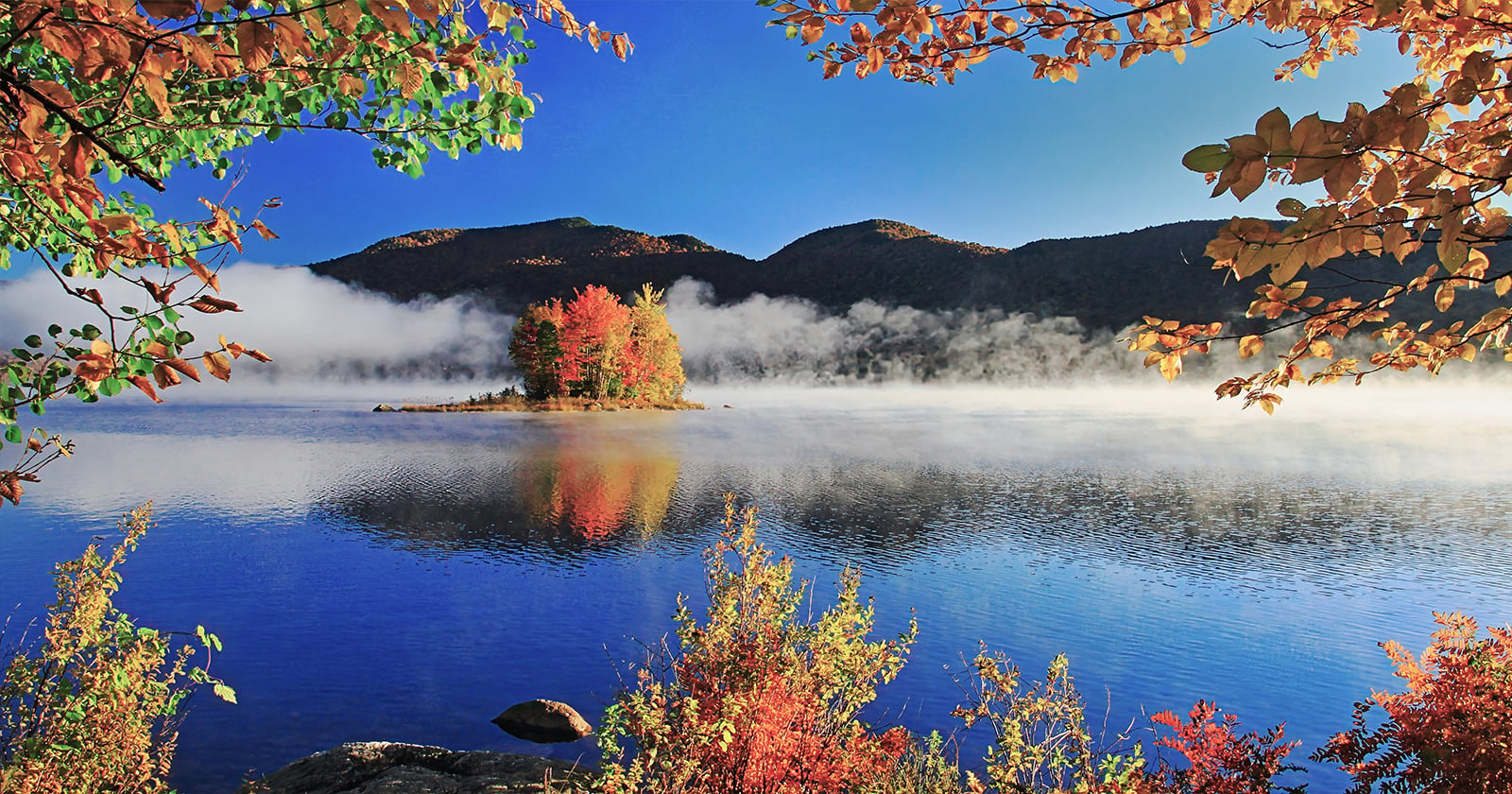
The most compelling landscapes are not the ones you can take in at a single glance; they are the ones that unfold slowly, revealing themselves in layers. A photograph often flattens that experience, collapsing depth into a single, distant plane that feels more like a postcard than a place. This is why we believe that the true art of seeing, whether through a lens or with the naked eye, lies in how we connect the foreground to the horizon, the immediate to the infinite. Thoughtful layering is not just a compositional trick; it is a way of translating the immersive feeling of being somewhere into a story that others can feel.
Consider how often we scroll past a beautiful wide shot, only to pause on an image that includes a blade of grass in the corner, a hand on a railing, or a reflection in a puddle. These small, intentional details are what give a scene its scale and its soul. They anchor the viewer in a specific moment, transforming a generic vista into a personal memory. This approach to seeing mirrors the philosophy behind The Art of the Pocketable Frame: Tiny Cameras, Big Vision, where the tools themselves shrink but the vision expands. A tiny camera forces you to get close, to find the detail that tells the larger story. It is the same instinct: a refusal to let a scene remain distant and untouchable. When we layer a landscape, we are effectively inviting the viewer to step inside the frame, to feel the texture of the rock and the weight of the sky in the same breath.
This is not merely an aesthetic preference; it is a practical shift in how we engage with the world around us. For the creative collaborators and health-conscious enthusiasts who move through our world, the lesson is immediately applicable. That morning run with a view of the mountains? Stop to frame the wildflowers at your feet against the peak. That weekend hike you are documenting? Let the branch in the foreground speak to the vastness beyond. The result is an image that feels authentic, curated, and alive, exactly the kind of visual language that resonates with an audience tired of the generic and the ordinary. It is the difference between showing someone a location and making them feel as though they have already been there.
The real consequence of mastering this art is a deeper connection to the places we visit and the images we create. We are no longer passive observers snapping a record of what we saw; we become active storytellers, composing an experience. This is a skill worth cultivating, because the next time you find yourself standing before a breathtaking view, the question will not be whether to take a picture, but how to ensure that picture holds the same depth as the moment itself.