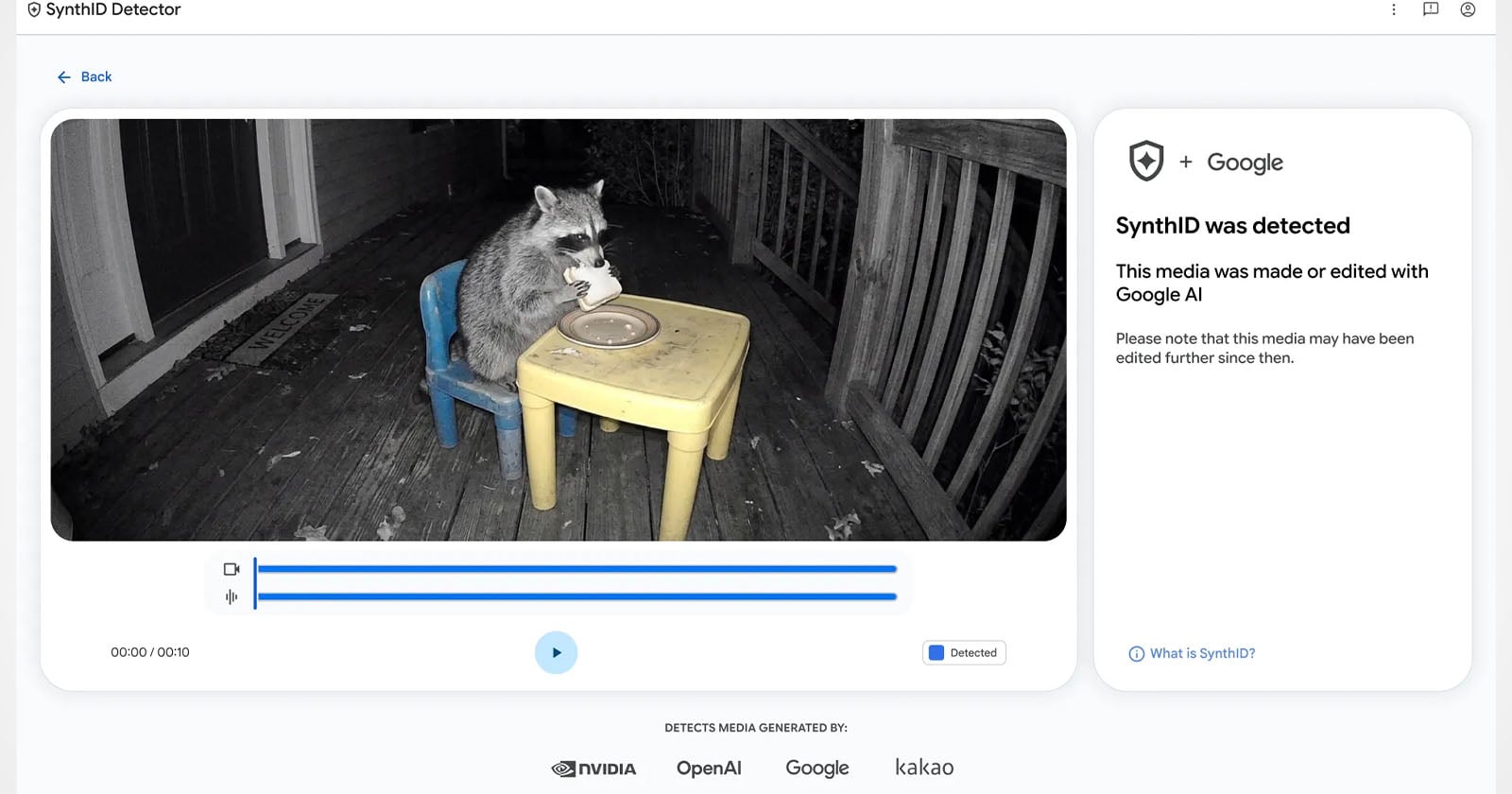
Authenticity has become the rarest luxury. Google's decision to release its SynthID Detector to the public feels less like a product launch and more like a quiet manifesto: in a world awash with generative creations, knowing what is real is not a technical detail, it is a creative right. We believe this tool is a watershed moment for anyone who values the integrity of their craft, whether you are retouching a portrait or curating a campaign.
For photographers, artists, and content creators, this changes the conversation. We have long championed the idea that tools should return creative control, not obscure it. As we explored in Your Curated Workflow Starts Here: PhotoCuller Returns Creative Control, the friction of managing thousands of images often dilutes the artistic vision. SynthID Detector addresses a different kind of friction: the uncertainty of provenance. When you can verify whether an image, video, or audio clip carries a watermark tied to generative AI, you reclaim the ability to decide what deserves your trust. This is not about policing creativity, it is about honoring the distinction between human intention and algorithmic mimicry.
The practical implications for our audience are immediate. If you are a photographer sharing your portfolio, a stylist building a mood board, or a wellness brand selecting imagery for a campaign, the question of origin matters. A shot that appears candid could be entirely synthetic; a voiceover that sounds organic might be generated. SynthID gives you a lens to see through the spectacle. This aligns closely with the ethos we highlighted in The Lens Over the Spectacle: Why Real Photographers Show Their Work, where we argued that transparency in process builds a deeper connection with audiences. Now that transparency can be verified at a glance, not just claimed in a caption.
What makes this move compelling is its openness. Google is not gatekeeping verification for enterprise clients or licensing it as a premium feature. By making the detector freely available, they are inviting the creative community to participate in defining what authenticity means in an AI-augmented era. This dovetails with a broader shift we see across creative tools. Even as platforms like Unlock Your Creative Eye with Photon, Aftershoot's Free RAW Editor democratize advanced editing, they are built on the assumption that the artist remains the author. SynthID extends that assumption into the realm of consumption, it gives the viewer the same power the creator holds.
The question that lingers is one of adoption. Will platforms, marketplaces, and social channels integrate this detection into their workflows, or will it remain a voluntary check? The answer will determine whether SynthID becomes a standard of trust or a niche curiosity. For now, the tool exists, and it is free. The next time you encounter an image that feels too perfect, too curated, too seamless, you have the means to ask the question. And that, for anyone serious about authenticity, is the most empowering detail of all.