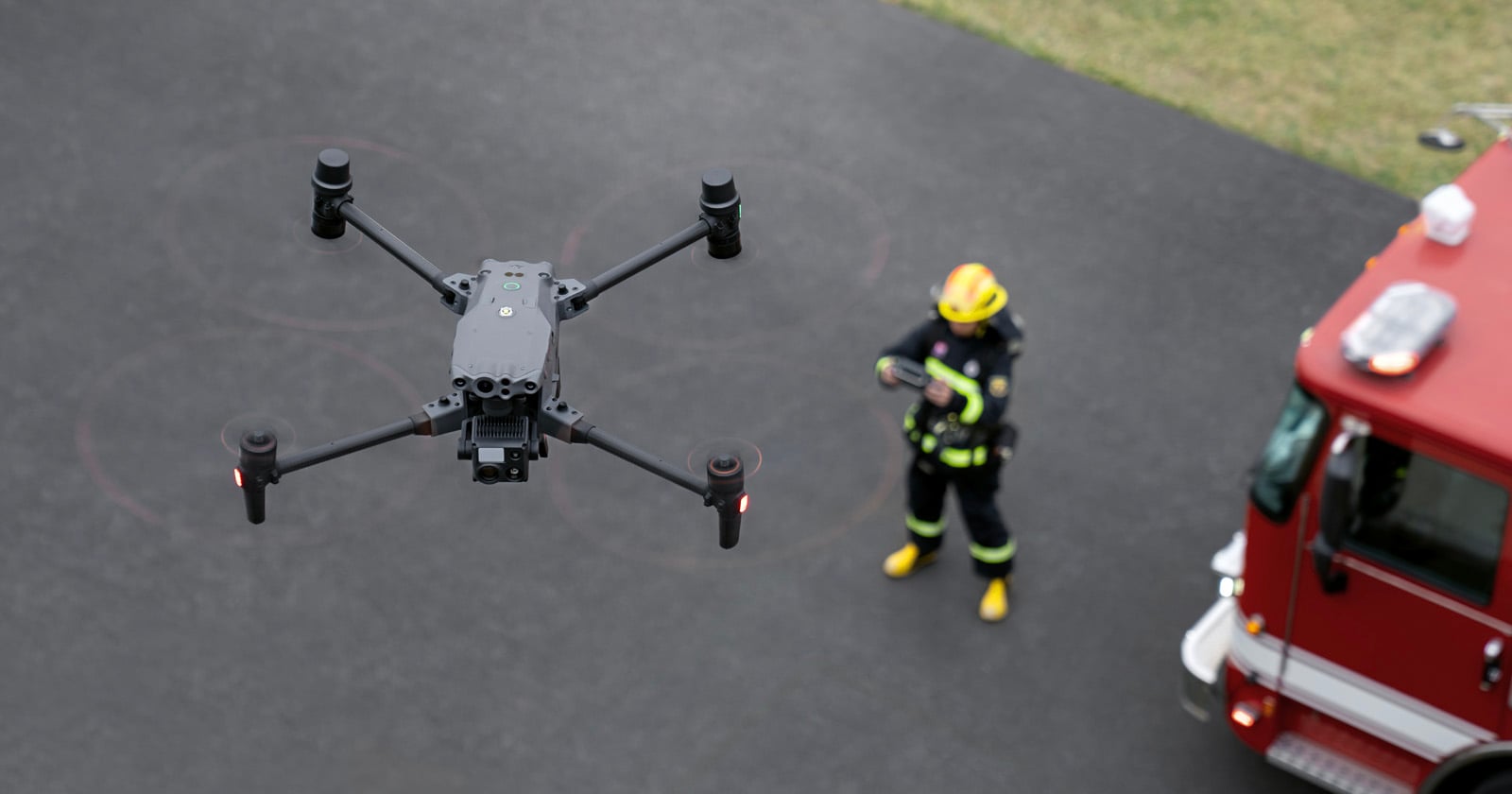
The FCC's reported consideration of a retroactive ban on DJI drones already in the marketplace is the kind of regulatory pivot that leaves creators and professionals in a strange, suspended breath. We're not talking about a hypothetical new gadget that fails to launch; we're talking about the gear you already own, the workhorse you fly for a living, the camera that captures the shot no terrestrial lens can reach. For our audience, who values both aesthetic precision and practical function, this news lands less like a headline and more like a question mark hovering over every future flight plan. The agency's stated goal to "secure the drone supply chain" by targeting military technology is a serious one, but the retroactive nature of the measure is what unsettles us most.
This feels like a moment where the lines between innovation, security, and creative expression blur, and we have to be honest about the friction. We write often about the intersection of technology and artistry, whether we're exploring the latest mobile photography innovations at Signature 27: Where Mobile Photography Meets Elevated Design or examining how access to visual storytelling is being reshaped, as seen in White House Access Restricted: News Crew Faces Unexpected Security Measures. There is a pattern here, a tension between the tools we use to see the world and the rules that govern those views. A retroactive ban doesn't just limit new purchases; it devalues an existing investment, disrupts workflows, and forces a scramble to comply with rules that shift after the fact. For the independent filmmaker or the real estate photographer flying a DJI because it delivers cinematic quality at a fraction of the cost of cinema drones, the practical takeaway is stark: your equipment could become a paperweight overnight.
We would tell a reader who asked us directly: do not panic, but do prepare. This is not a decision that has landed yet, and the FCC's consideration suggests a process still in motion, but the direction is clear. If you rely on DJI for commercial work, this is the moment to diversify your gear list, to explore alternatives, and to watch the regulatory docket like you watch your battery levels on a long shoot. The broader lesson mirrors what we see in the EU's push to restrict youth social media use, as reported in Safeguarding Childhood: EU Proposes Restrictions on Youth Social Media Use: regulators are moving faster than the culture can absorb, and the consequences often land on the people trying to build, create, and connect. The aesthetic of a drone shot, the joy of a new angle, is not immune to the weight of policy.
The specific detail to watch is the definition of "military technology" and whether the FCC will grandfather existing units or demand their grounding. That open question is the one that matters most. For now, our advice is to keep flying within the law, but also to keep your ear to the ground and your receipts in order. The sky is not falling, but the airspace is certainly changing. We would not advise selling your gear in a panic, but we would advise treating this as a prompt to understand your own dependence on a single brand. The most creative people we know are also the most adaptable, and that adaptability starts with knowing that the tools are only as good as the freedom to use them.