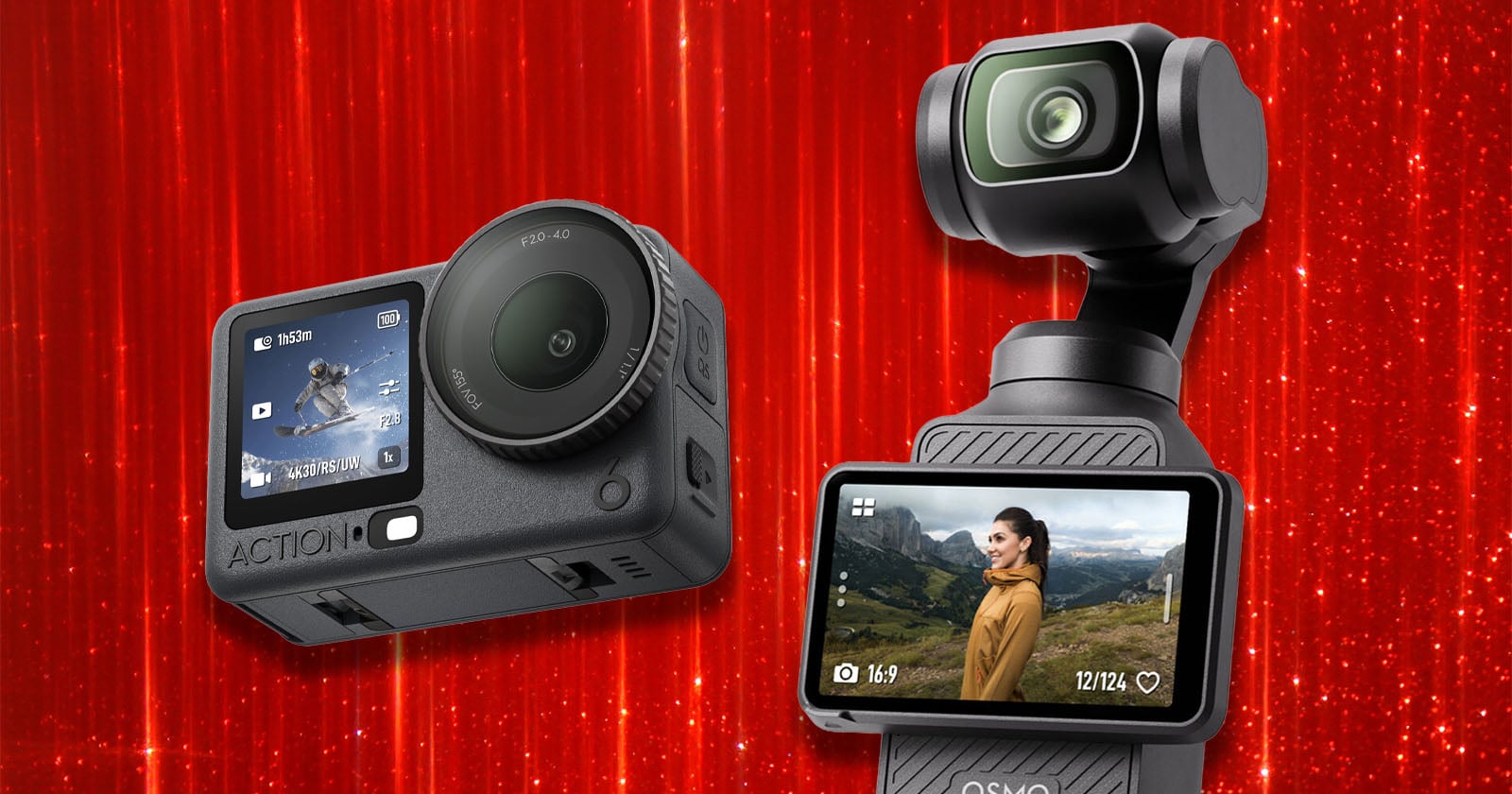
The news from IDC lands like a flash of light through a prism: DJI, a company we've long admired for its gimbal-stabilized artistry, now outsells every Japanese camera maker combined in the handheld smart camera space. This isn't a footnote in the trades; it's a quiet reordering of what we thought we knew about photography. For years, we've been told that the soul of the image lives in the sensor and the lens, but DJI's ascendancy suggests the soul now lives in the software, the motion, and the curated ease of capture. We think this is a correction, not a curiosity. The traditional camera market has been coasting on legacy, while DJI has been busy building tools that feel less like instruments and more like extensions of our own creative instincts.
This shift mirrors a tension we've seen play out in our own pages, like when Where Light and Water Dance Into Timeless, Film-Crafted Dreams celebrated the slow, deliberate magic of film, or when When a brand calls cut on candid beauty exposed how even authenticity gets staged. DJI isn't selling nostalgia; it's selling immersion. The gimbal camera, once a niche tool for action junkies, has become the everyday companion for creators who want to walk through life with a steady hand and a cinematic eye. What does that mean for you, the reader? It means the barrier to entry for beautiful, fluid imagery has never been lower. You don't need to master aperture or shutter speed to get a shot that feels alive. You just need to point, move, and let the machine do the heavy lifting. That's not a loss of craft; it's a liberation from the technical gatekeeping that once kept so many people out.
But let's not mistake popularity for superficiality. The IDC data points to a market that is growing because it's meeting people where they actually live: in motion, on the go, and hungry for content that feels present rather than posed. Japanese giants like Sony, Canon, and Nikon have spent decades perfecting stills, but they've been slower to embrace the handheld, computational, and gimbal-first approach that DJI has made its signature. The practical takeaway here is clear: if you're in the market for a new camera, the smart money isn't just on resolution or brand heritage. It's on how the device handles the unscripted moments, how it feels in your hand during a sunset walk or a crowded street market. DJI has won this round because they understood that the best camera is the one that disappears into your life, not the one that demands you build your life around it.
So what do we watch for next? The question isn't whether the Japanese brands will respond, but how. Will they double down on their own gimbal hybrids, or will they try to out-spec DJI in a race that's already been decided by experience? For now, the smart bet is on the underdog that never saw itself as one. DJI didn't just outpace the competition; they redefined the lane. The next time you see a smooth, sweeping shot of a city street or a hiker's POV descending a mountain trail, remember: that wasn't luck, and it wasn't a $5,000 DSLR. It was a smart camera that knew exactly what you wanted before you did. The question is whether the old guard is brave enough to admit they're no longer the default. We'll be watching the next product cycle with the same curiosity we bring to every frame.