Do You Actually Know How to Meter a Scene?
Our take
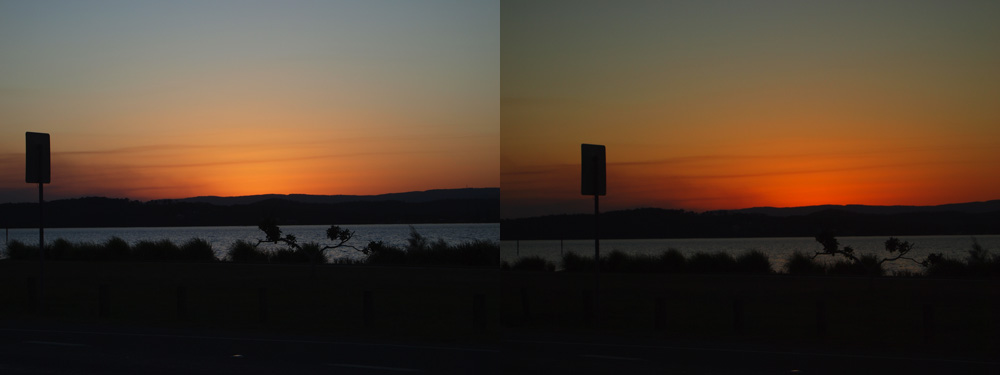
The democratization of photography has been a fascinating journey, and the recent pushback against perceived elitism surrounding technical skills like light metering is a welcome development. For too long, the art of photography has been shrouded in mystique, with certain techniques presented as arcane knowledge reserved for a select few. The article "Do You Actually Know How to Meter a Scene?" rightly challenges this notion, dismantling the myth that mastering light metering requires a deep understanding of “yin and yang” and placing it firmly within the realm of accessible basics. This resonates strongly with our audience, many of whom are exploring the multifaceted world of photography and seeking practical, actionable advice. We’ve seen a similar trend in our own coverage, particularly with articles like The Camera Modes You’ve Been Ignoring Are the Most Fun Ones, which encourages experimentation and a less rigid approach to camera settings. It’s about empowering photographers, regardless of experience level, to confidently navigate their equipment and capture their vision. The shift away from gatekeeping and towards open knowledge sharing is vital for fostering a vibrant and inclusive creative community.
The core of the issue, as the article points out, isn't about complex theory but about understanding the fundamental principles of how a camera measures light. This understanding, once demystified, allows photographers to make informed decisions and achieve desired results. It's a reminder that photography, at its heart, is about visual storytelling, and technical proficiency should serve that purpose, not dictate it. This echoes a broader conversation within the industry, one we’ve been observing closely as highlighted in The Rise Of The Diversified Photographer. The modern photographer isn’t necessarily a specialist; they’re often a versatile creator, blending skills and exploring different genres. A solid grasp of metering, alongside other fundamental techniques, becomes an essential tool in their diverse toolkit. It’s not about mastering every nuance of every setting but about having a foundational understanding that allows for adaptation and creative problem-solving across various photographic scenarios.
The implications of this shift extend beyond individual photographers. It encourages a more approachable and accessible learning environment, where aspiring creatives feel empowered to explore and experiment without fear of being judged as lacking “elite” knowledge. It also fosters a culture of collaboration and knowledge sharing, where experienced photographers are more inclined to demystify their techniques and mentor those who are just starting out. Consider the power of sharing practical tips and tricks – the kind of insights that can elevate a photographer's work without requiring years of formal training. And, of course, it reinforces the importance of the human element in photography. While technical proficiency is valuable, it’s the photographer’s eye, their vision, and their ability to connect with their subject that ultimately determine the quality and impact of an image. The recently published collection of intimate photographs, Intimate Photographs of Family Life in Small-Town Virginia Published for the First Time, serves as a poignant reminder of this—technical mastery is a means, not an end.
Ultimately, this re-evaluation of light metering represents a broader movement towards inclusivity and accessibility within the photographic community. As technology continues to evolve and new tools emerge, it's crucial to remember that the essence of photography remains unchanged: it's about capturing moments, telling stories, and connecting with others through the power of images. The question now is, with the barriers to entry lowered and the emphasis shifting towards creative expression, how will we see the landscape of photography evolve in the next decade, and what new forms of visual storytelling will emerge from this more democratized space?
Read on the original site
Open the publisher's page for the full experience