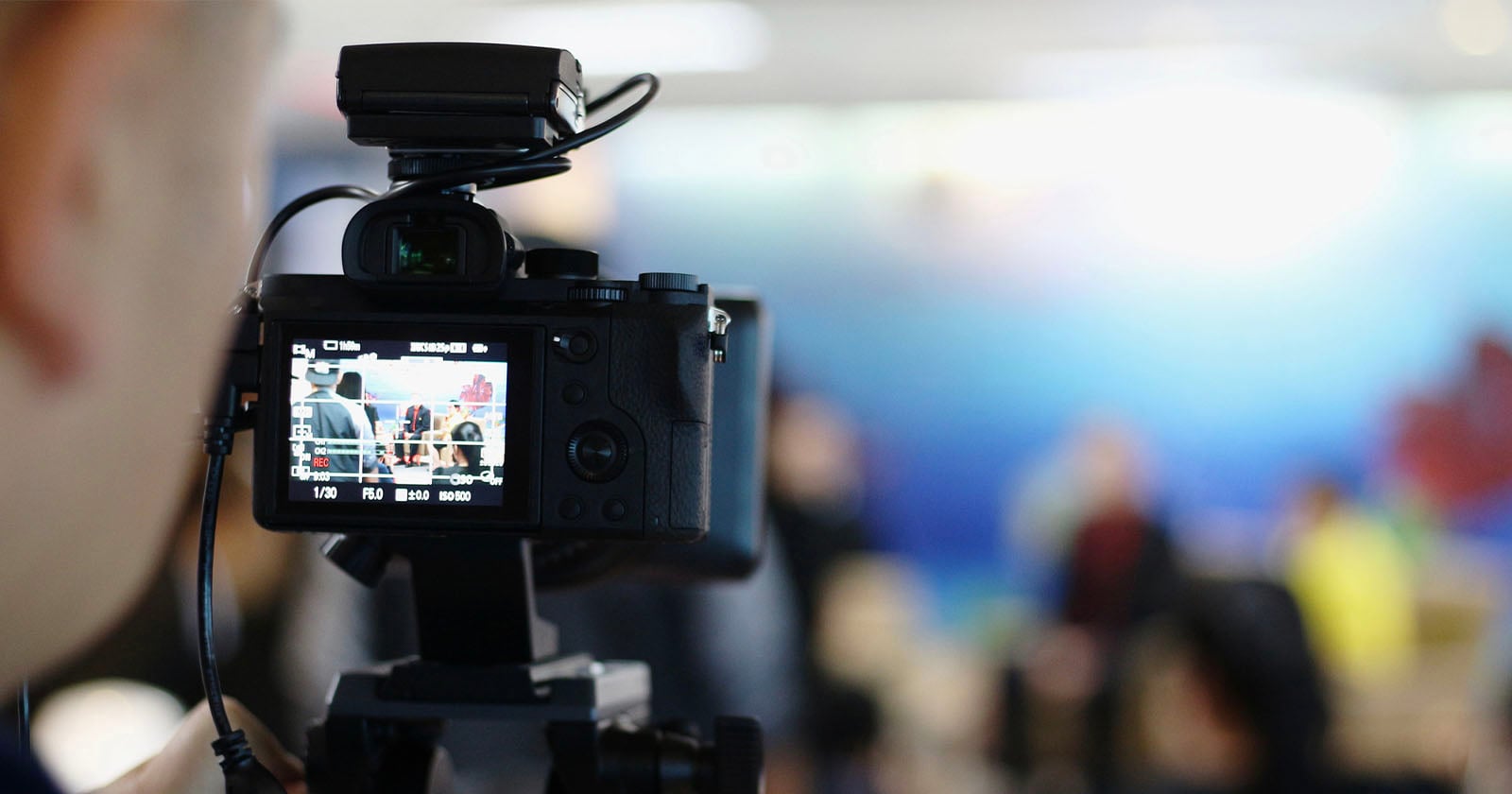
There is a particular kind of quiet thrill in watching someone assert a right so fundamental that most of us forget it exists. The recent wave of First Amendment auditors, documented in this piece, reminds us that the freedom to film in public is not a niche luxury for journalists with press passes. It is a shared inheritance, one that a growing number of citizens are claiming with tripods and steady hands. We see this as a natural extension of the creative spirit, not an act of aggression. The camera, after all, is just a tool for seeing the world as it is, and the public square has always been the most honest studio there is.
This practice sits in an interesting tension with the more curated corners of our own world. We spend so much time crafting images, whether through a boudoir lens or the latest Leica update, that we sometimes forget the raw, unpolished power of simply documenting. Collaborate & Create: Boudoir Sessions Offered Across Florida's Coast is about trust and controlled intimacy, while Leica Lux 2.0: Crafting iPhone Photography with Artistic Vision is about applying a painterly hand to the everyday. The auditors, by contrast, are uninterested in aesthetic perfection. Their art is in the confrontation, the friction between the citizen and the institution. Yet all three are chasing the same thing: a true frame. Whether you are staging a scene in a sunlit room or standing in a municipal lobby, you are negotiating the boundary between what is shown and what is withheld. The auditors simply push that boundary with their presence, forcing a reaction that is often more honest than any posed portrait.
For our readers, the practical takeaway is not about whether you agree with their methods. It is about understanding that your rights are only as real as your willingness to exercise them. We would tell you this: if you pick up a camera and step outside, you are not just taking a picture. You are participating in a tradition that protects every other image you will ever make. The next time you see someone filming a public building, or a parking lot, or a street corner, you are seeing the system working. It might feel uncomfortable, but so does a cold plunge, and we all know the benefits of that. The lens is a tool of accountability, and it is just as valid in a public plaza as it is in a private studio.
The open question we are left with is not whether this is legal, but whether we can handle the honesty it demands. Watch for the moment when the auditor becomes the subject, when the person being filmed turns the camera back. That is the real story, and it is one we will all be part of, whether we are holding the camera or standing in front of it.