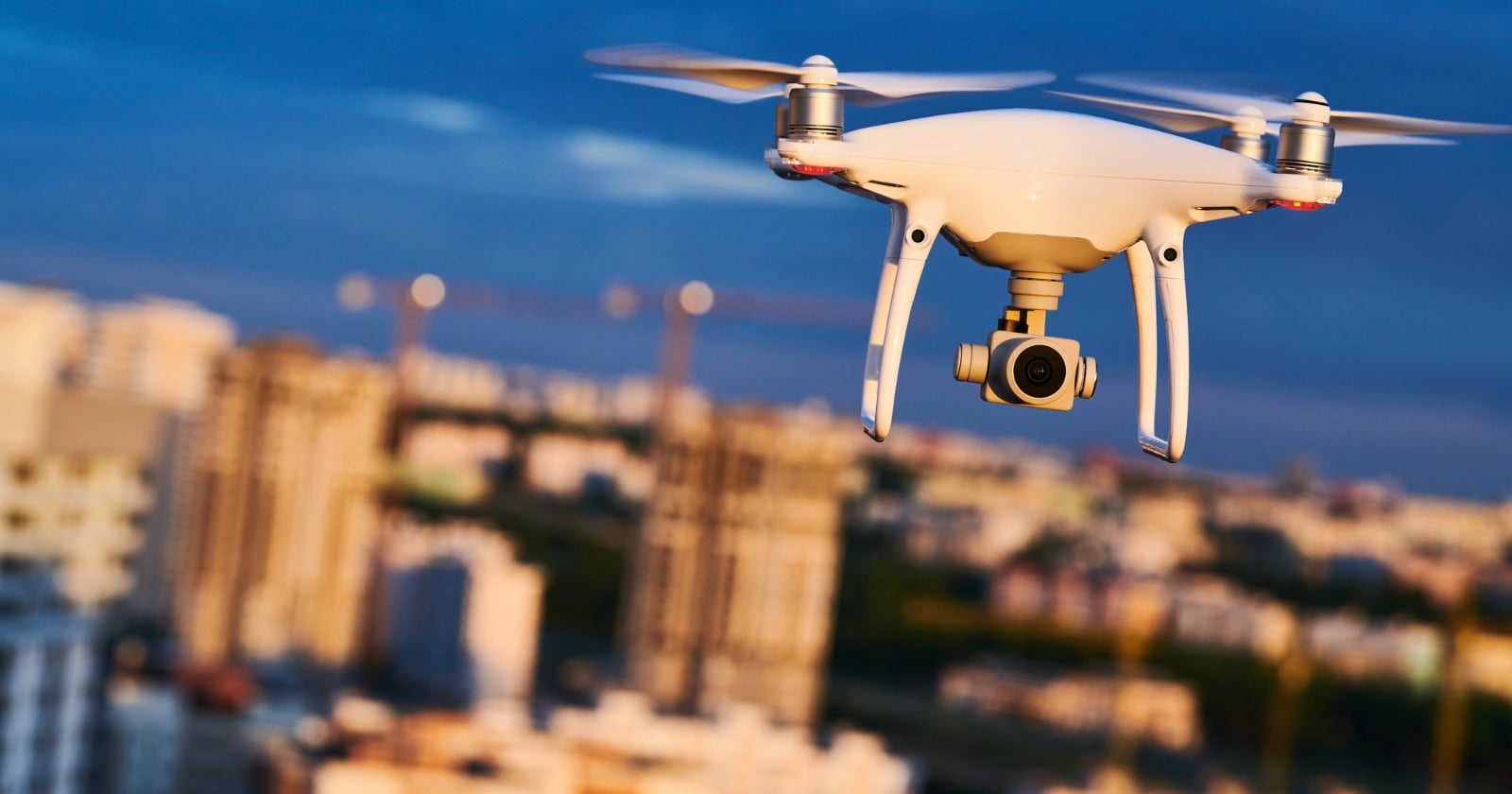
A two-minute flight. A church. A city with no World Cup matches scheduled that day. Yet a professional videographer in Houston is now facing up to a year in federal prison after FBI agents arrested him for filming a church with a drone during the 2026 tournament. Let that sink in for a moment. This isn't a story about reckless piloting or a near-miss with a stadium crowd. It's a story about how sweeping security designations can swallow ordinary creative work whole, leaving professionals to navigate a legal landscape that has little patience for intent or context.
We talk a lot in this space about the artistic impulse, the drive to capture something beautiful from an unexpected angle. It's the same spirit that draws photographers to the textured grain of Embrace the Drama: Exploring the Allure of Ultra-Low ISO Film, where the pursuit of a particular aesthetic becomes its own reward. But this case is a stark reminder that the frame around our work isn't just compositional, it's legal. The videographer likely saw a striking subject, a church against a Houston skyline, and made a split-second decision to get the shot. He didn't consider that a federal temporary flight restriction, tied to an event happening hours away, would turn that two-minute choice into a criminal matter. And that's the part that should unsettle anyone holding a camera or a controller.
This isn't about excusing ignorance of the law. We're not suggesting the rules don't exist or that they don't matter. But when the enforcement feels disproportionate, you have to ask what message it sends. If a professional can be cuffed for a flight that posed no immediate threat, in a city where the event wasn't even taking place, then the line between calculated risk and career-ending mistake becomes dangerously thin. It echoes the cautionary tale we shared in A Photographer's Fall: Luxury, Swiftie Dreams, and a $4.6M Loss, where a photographer's choices led him down a path of fraud and prison. That case involved clear deception and theft, a world away from a two-minute flight. But both stories share a sobering through-line: a single lapse in judgment can have outsized, life-altering consequences.
So what do we tell a reader who calls us asking if they should fly their drone to get a beautiful shot of a landmark during a major event? We'd say this: check the airspace, not just the light. The curated, immersive world we love to capture is getting more complex, and the artistic high ground now comes with legal coordinates. The takeaway here is specific and actionable, know the temporary restrictions, even if the event is a hundred miles away, because the government's definition of "in the vicinity" is far broader than your camera's zoom lens. Watch this case closely, because the outcome will set a precedent for how much risk is involved in a simple creative decision. The shot may be worth a thousand words, but in this climate, it could cost you your freedom.