## Our Take: The Shifting Skies of Drone Innovation – DJI vs. Insta360
The recent legal action initiated by DJI against Insta360 regarding patent infringement casts a fascinating light on the dynamic landscape of drone technology. While legal disputes are unfortunately common in the tech world, this particular case carries significant weight given the prominent positions of both companies within the aerial imaging market. DJI, the undisputed leader, has long cultivated an image of technological prowess and innovation, and this lawsuit can be interpreted as a forceful assertion of that position. Insta360, on the other hand, has carved out a distinct niche, focusing on user-friendly, immersive 360-degree capture and appealing to a more creative and adventurous user base. The accusations – spanning flight control, image processing, and hardware design – suggest DJI views Insta360’s advancements as potentially encroaching upon its core intellectual property. It’s a complex situation that speaks to the competitive intensity driving innovation in this rapidly evolving field.
Beyond the immediate legal ramifications, this showdown highlights a broader trend: the increasing importance of intellectual property protection in the drone industry. As drone technology matures and becomes more accessible, the line between inspiration and infringement can become blurred. Companies are understandably keen to safeguard their investments in research and development, and this lawsuit serves as a stark reminder of the potential consequences for those perceived to be crossing that line. The outcome of this case will likely have a ripple effect, influencing how other drone manufacturers approach innovation and patent strategy, potentially leading to more cautious development cycles and a greater emphasis on securing proprietary technology. It’s a crucial moment for the industry as it navigates the intersection of creativity, competition, and legal accountability.
Looking beyond the specifics of the patents in question, this dispute underscores the shift in consumer expectations regarding drone capabilities. Both DJI and Insta360 are responding to a market that demands increasingly sophisticated features—longer flight times, enhanced image quality, and intuitive user experiences. The patents DJI is citing likely reflect significant advancements in these areas, representing a substantial investment in making drone flight and image capture more seamless and reliable. Insta360's success, meanwhile, demonstrates a demand for a more accessible and creatively-focused approach, prioritizing ease of use and immersive perspectives. Ultimately, the legal battle may inadvertently accelerate innovation as both companies strive to differentiate themselves and solidify their positions in the market.
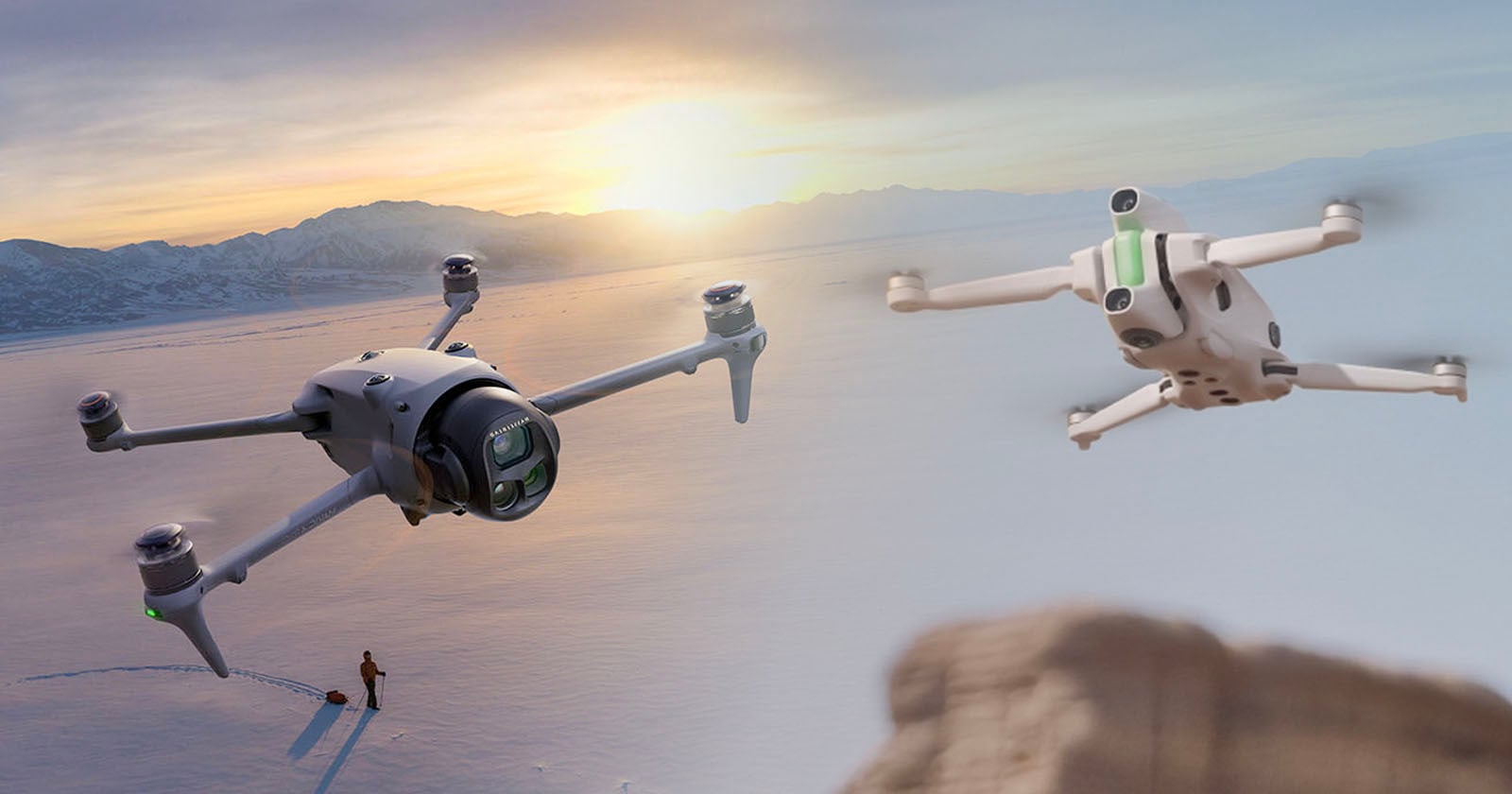
The visual element accompanying the article, depicting drones soaring over a stunning snowy landscape, is particularly evocative. It encapsulates the aspirational nature of drone photography and the sense of adventure that both DJI and Insta360 are tapping into. This isn’t simply about technology; it's about enabling individuals to capture and share unique perspectives of the world around them. The lawsuit, while a legal matter, ultimately reflects a larger narrative of technological evolution and the ongoing quest to push the boundaries of what’s possible in the skies above.