DxO PhotoLab 10: Faster RAW Editing Without Giving Up Creative Control
Our take
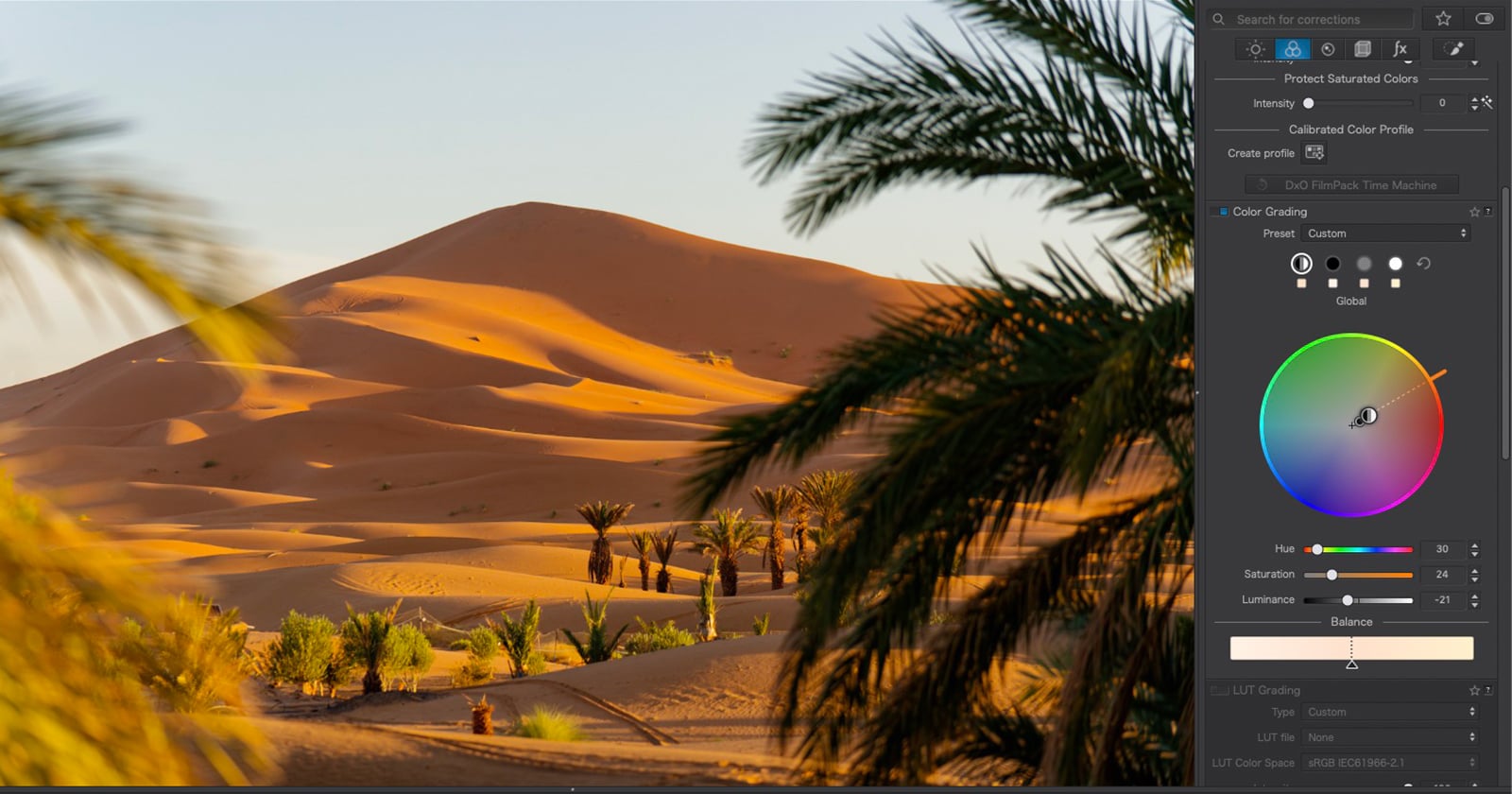
DxO PhotoLab 10’s unveiling of tools designed to streamline the masking and selection process represents a significant shift in the landscape of RAW editing, and one that resonates deeply with the discerning photographer. The frustration of tedious masking – isolating a single subject within a complex scene, or precisely removing distractions – is a universally understood pain point. It’s a process that can easily consume more time than the creative adjustments that follow, hindering the flow of the artistic vision. The ability to swiftly and accurately target specific areas for modification, without sacrificing granular control, is a game-changer. This echoes a broader trend within the creative software space, as evidenced by Google’s integration of Gemini Spark with Google Photos [You Can Now Use Gemini Spark to Manage Your Google Photos], demonstrating an increasing focus on AI-powered efficiency. Similarly, discussions within the photography community regarding the potential of SOOC (Straight Out of Camera) images [Feedback on recent Digitals (SOOC)?] highlight a desire for tools that minimize post-processing time while maximizing creative potential.
The core appeal of DxO PhotoLab has always been its uncompromising image quality and powerful noise reduction capabilities, but this latest iteration appears to be addressing a crucial workflow bottleneck. The promise of faster RAW editing *without* relinquishing creative control is a compelling one. It acknowledges that photographers aren't simply seeking automation; they desire precision and the ability to sculpt their images with nuance. The article's emphasis on targeted adjustments—isolating individuals in group shots or removing dust spots—are everyday tasks that can significantly slow down the editing process. This move aligns with the ethos of photographers who value a hands-on approach, particularly those exploring more traditional techniques like film photography, where the post-processing stage is often a crucial extension of the initial creative choices, as discussed in articles like "4 Things to Know About Using Kodak Tri-X in the Studio." The ability to quickly refine these choices within a digital workflow is invaluable.
The broader significance of DxO’s advancements extends beyond simply speeding up editing. It’s a reflection of the evolving role of the photographer in a visually saturated world. The demand for high-quality imagery is greater than ever, and photographers are constantly under pressure to deliver compelling visuals quickly and efficiently. Tools that can streamline the post-processing workflow, without compromising artistic integrity, are essential for staying competitive. This isn’t just about making things easier; it’s about freeing up time and mental energy for the truly creative aspects of photography—composition, lighting, and storytelling. By reducing the burden of repetitive tasks, DxO PhotoLab 10 empowers photographers to focus on what matters most: capturing and crafting compelling images. The software’s emphasis on maintaining creative control reinforces the idea that technology should serve the artist, not dictate their vision.
Ultimately, DxO PhotoLab 10's focus on enhanced masking and selection capabilities signals a pivotal moment in RAW editing software. It’s a clear indication that developers are listening to the needs of photographers and prioritizing workflow efficiency without sacrificing creative expression. As AI continues to permeate the creative landscape, the challenge will be to find the right balance between automation and control, ensuring that technology enhances, rather than diminishes, the artistic process. One key question to watch is how these new tools integrate with DxO’s existing suite of features, and whether they will truly deliver on the promise of a significantly faster and more intuitive editing experience.
Photographers often know how they want an image to look before they begin editing, but reaching that result can require both changes across the entire scene and adjustments limited to specific areas. Selecting one person in a group, isolating the midground without affecting the foreground or background, or removing dozens of dust spots can take longer than the exposure or color adjustment that follows. DxO PhotoLab 10 introduces new tools that make this process faster while giving photographers …
Read on the original site
Open the publisher's page for the full experience