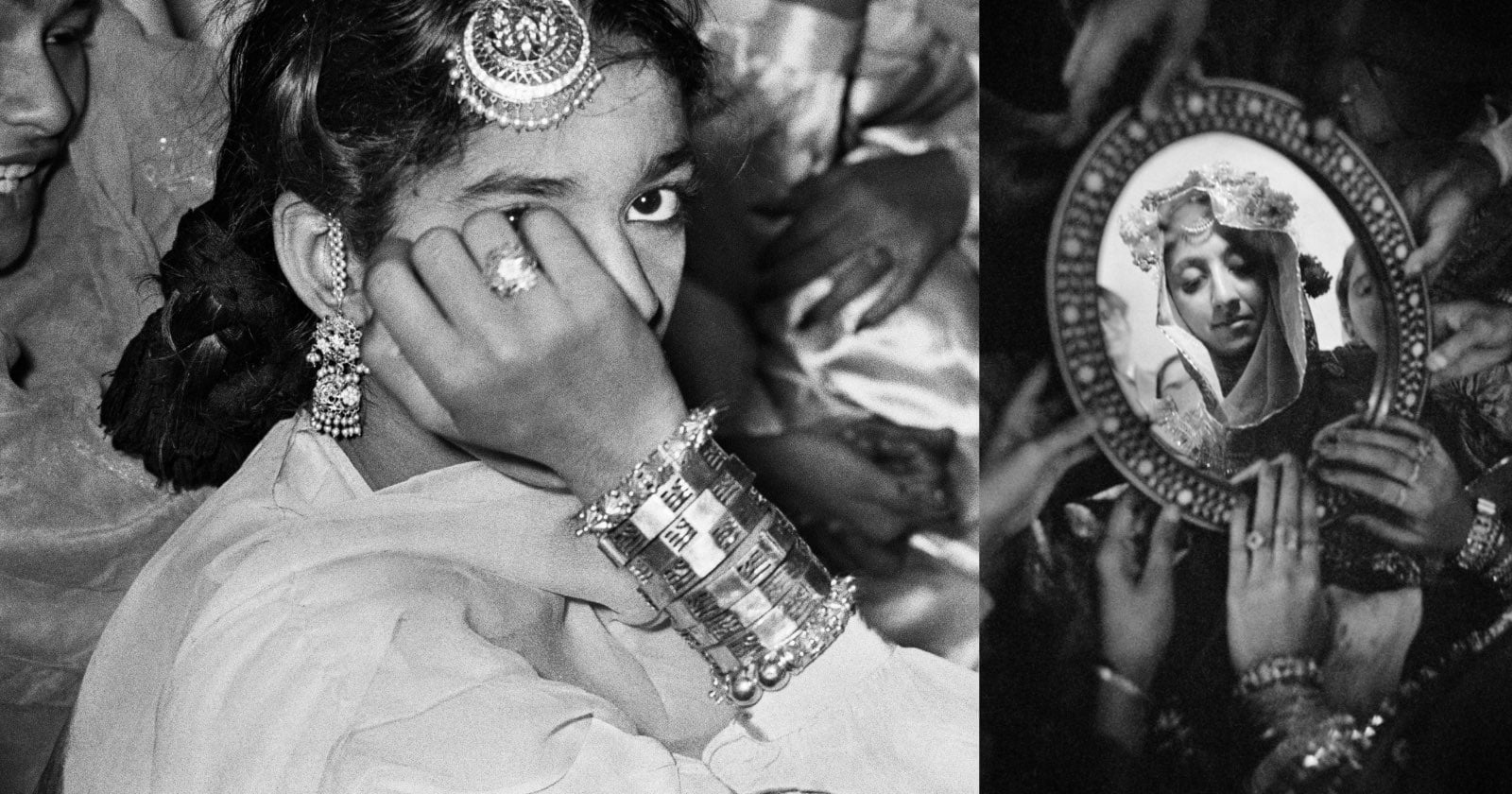
Somewhere between a fashion studio and the crowded streets of South Asia, Frank Horvat found the visual language that would define his career. The new book on his early travels through India and Pakistan is not just a retrospective; it is a study in how a photographer's eye gets formed. Horvat, known for his groundbreaking fashion work, did not go to South Asia to capture clothes. He went to observe life, and the images he brought back carry a tension that runways rarely allow: the quiet drama of a bride reflected in a mirror, the private gesture of a woman adjusting her jewelry. For our readers, the takeaway is not about photography history. It is about the value of stepping outside your own context to bring something strange and real back into your craft. The story of how these images came together is a reminder that the most authentic work often comes from the places where you feel least certain.
What strikes us is how Horvat's journey mirrors a creative principle we hold close: the best output is rarely born from pure imagination. It comes from immersion. His early work in India and Pakistan is not an example of exoticism for its own sake; it is a study in how a different rhythm, a different quality of light, and a different sense of public and private space can break your usual habits. For a creative professional, this is the practical lesson. You do not need a plane ticket to find this friction. You can curate a new perspective by changing your routine, working with a new team, or simply shooting a subject you usually avoid. The book is a testament to the fact that Horvat did not become a groundbreaking fashion photographer by staying in the studio. He did it by letting the world in, and then bringing its contradictions back to the glossy pages. Our earlier take on creative reinvention suggests that this is a muscle, not a mood.
If a reader asked us whether this book is for them, we would say this: it depends on what you are looking for. If you want a technical breakdown of lighting or composition, you might be disappointed. If you want to see how a master thinks in a foreign environment, you will find it in every frame. The images are not about a specific culture being represented for an outsider's gaze. They are about the artist's own sense of wonder and discomfort. That is a nuanced distinction, and Horvat's work handles it with elegance. The book does not offer easy answers about cross-cultural exchange. It offers a question: what happens when you let a place change you, rather than trying to impose your own vision on it? We would watch how Horvat's use of reflection and shadow changed after this period. That is the detail that matters. It shows that he was not just documenting what he saw; he was learning how to see differently, and that shift stayed with him for the rest of his career.