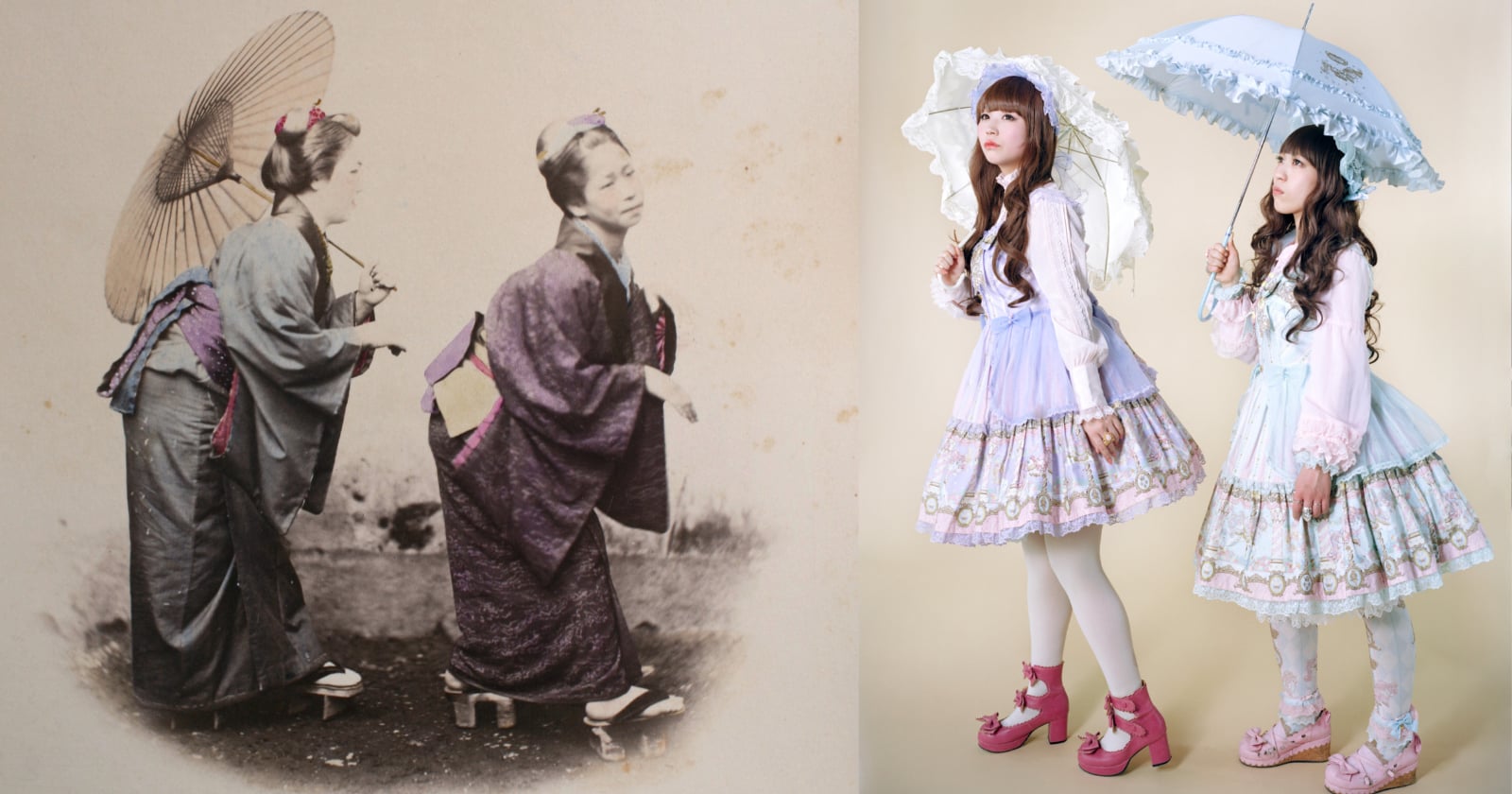
There is a particular kind of magic that happens when an artist stops trying to chase the new and instead looks backward with fresh eyes. The story of a photographer who stumbled upon a cache of forgotten 19th-century portraits of Japan in her own family home feels less like a lucky accident and more like a quiet inheritance finally claimed. She did not merely preserve these echoes; she answered them, creating a series of modern portraits that converse with the past rather than imitate it. This is the opposite of nostalgia. It is a deliberate, vibrant dialogue between eras, and it reminds us that authenticity in art often requires a willingness to listen to what has already been said. For our readers, this is a masterclass in creative research, proving that the most compelling muse is often hiding in an attic or an old shoebox, waiting for someone to notice the resonance.
We are always drawn to stories of artistic reinvention, much like the cosmic curiosity explored in Capturing Cosmic Beauty: An Astrophotography Journey with Nikon, where the vast unknown becomes a canvas. But this project feels different because it is intimate. It is not about conquering a distant galaxy but about honoring a familiar one. The photographer's work sits in a fascinating tension: it acknowledges the weight of history while playfully reimagining its subjects in contemporary Lolita fashion and modern styling. This is not a gimmick. It is a curated translation, one that respects the original composition while infusing it with a present-day pulse. If a reader asked us what to take from this, we would say this: your next great idea does not have to be a lightning bolt from nowhere. It can be a slow, deliberate act of excavation. The past, it turns out, is not a locked room; it is a studio with an open door.
This approach also challenges the way we think about influence and originality. Too often, we treat inspiration as a one-way street, where the past feeds the present and then fades. But this project suggests a more circular, immersive relationship. The photographer did not just copy the old portraits; she used them as a springboard to ask new questions about identity, performance, and the fluidity of cultural expression. It is a practical reminder that we can honor tradition without being trapped by it. For the creative professionals and lifestyle enthusiasts in our audience, this is a call to look at your own reference points with a more playful, questioning eye. You might find that the most authentic version of your voice comes not from rejecting what came before, but from entering into a conversation with it. And speaking of community-driven artistry, the spirit of this project echoes the inclusive energy of Experience Photography's Artistry: The 5 Boro Foto Fest Returns, where the art form is celebrated as a living, breathing dialogue.
What we find most compelling here is the quiet boldness of the act itself. In a world saturated with fleeting trends and disposable content, choosing to build a bridge between a forgotten archive and a contemporary vision is a statement of intent. It says that beauty is not linear, and that relevance is not solely a function of the present moment. The practical takeaway for our readers is simple: do not wait for permission to find the extraordinary in the overlooked. Start with what you have, whether that is a family heirloom, a folder of old negatives, or even a memory. The most captivating stories are often the ones that have been waiting for the right person to come along and see them anew. The question this leaves us with is not whether we should look to the past, but what we will do when we finally see it clearly. That is the vision we are still thinking about.