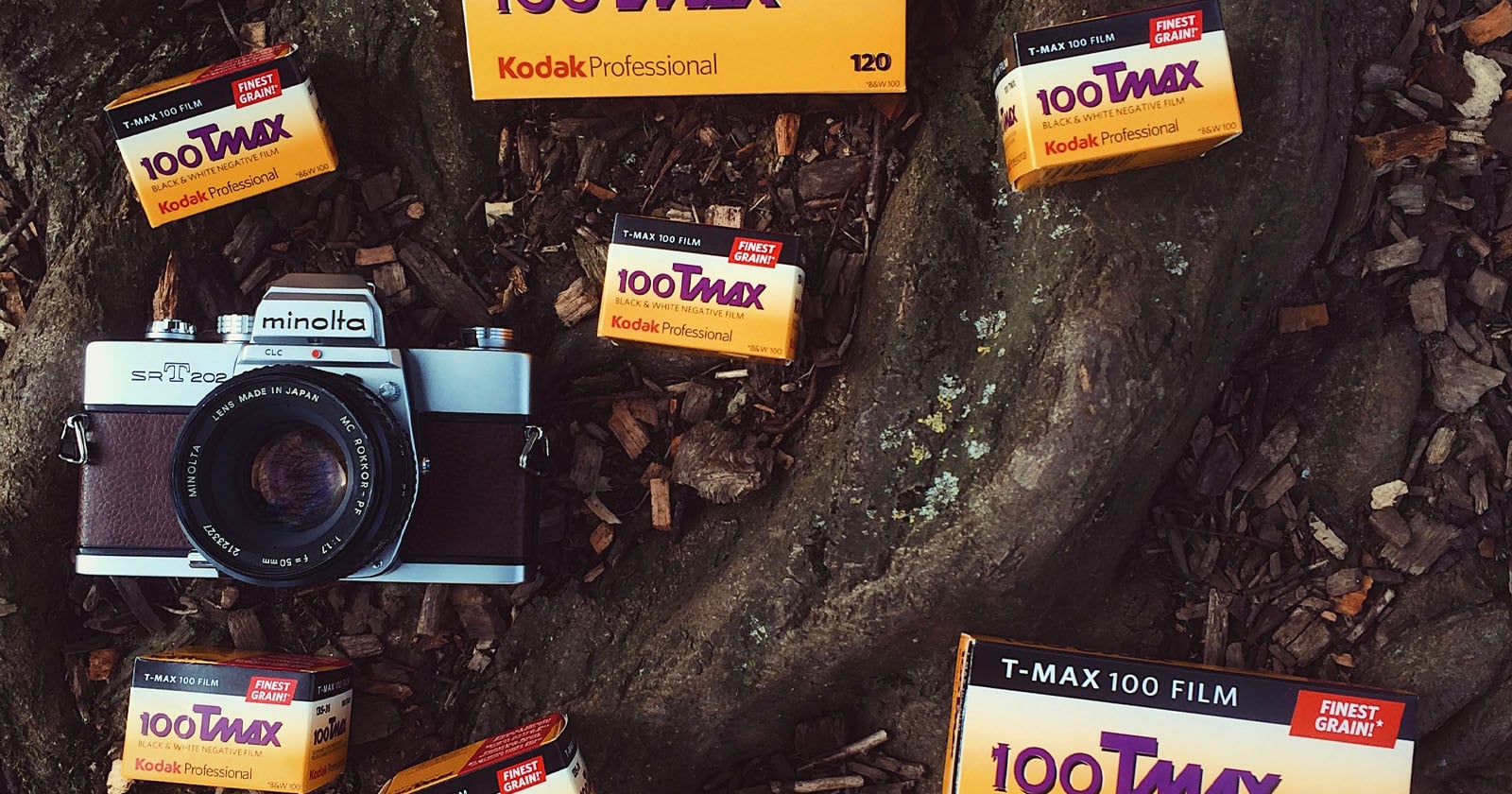
There is a particular quiet that settles over a session with a roll of black and white film, and the recent reintroduction of Kodak's TMax 100 into the conversation, now also carrying the Ektapan 100 name, feels like an invitation to slow down. This is not a film that shouts for attention; it earns it through a patient, almost architectural precision. As PetaPixel’s look at the film notes, this is a stock built around smoothness and sharpness, a combination that rewards the photographer who composes with intention rather than volume. For our readers who see the craft in every frame, this is less about a new product and more about a reaffirmation of a classic tool.
Our honest take is that Ektapan 100 represents a particular kind of luxury: the luxury of restraint. In a world where we are constantly bombarded with speed and noise, this film asks you to slow your metering, steady your hand, and trust that the detail will be there when you look at the print. It is not a forgiving film for casual snapshots, and that is precisely its appeal. It sits alongside its faster siblings, TMax 400 and TMax P3200, but it occupies a distinct space for those who chase tonal range in broad daylight. If a reader asked us whether they should pick up a roll, our answer would be a measured yes, with the caveat that this is a film for the deliberate eye, not the casual shooter. It rewards those who are already thinking about shadows and highlights before the shutter clicks.
What makes this release feel particularly resonant is the timing. As the industry shifts further into digital convenience, the act of choosing a 100-speed film becomes a statement of intent. It is a choice to value the negative, the grain structure, and the crisp edge over instant gratification. For the creative collaborators and lifestyle enthusiasts in our audience, this is where authenticity meets artistry. You are not just documenting a scene; you are curating a feeling, one that has a texture and a weight that is hard to replicate. The practical takeaway here is simple: if you have been looking for a film that offers sharpness without clinical coldness, Ektapan 100 gives you the foundation to build something with a softer soul.
The detail we are watching closely is how this rebranding affects availability and perception among younger film shooters who may have only known the TMax name. Will the Ektapan label bring a new generation into its fold, or will it simply confuse a legacy? That is the open question that makes this story more than a spec sheet. For now, the concrete point to hold onto is this: load a roll, meter for the highlights, and let the shadows fall where they may. That is where the real conversation begins.