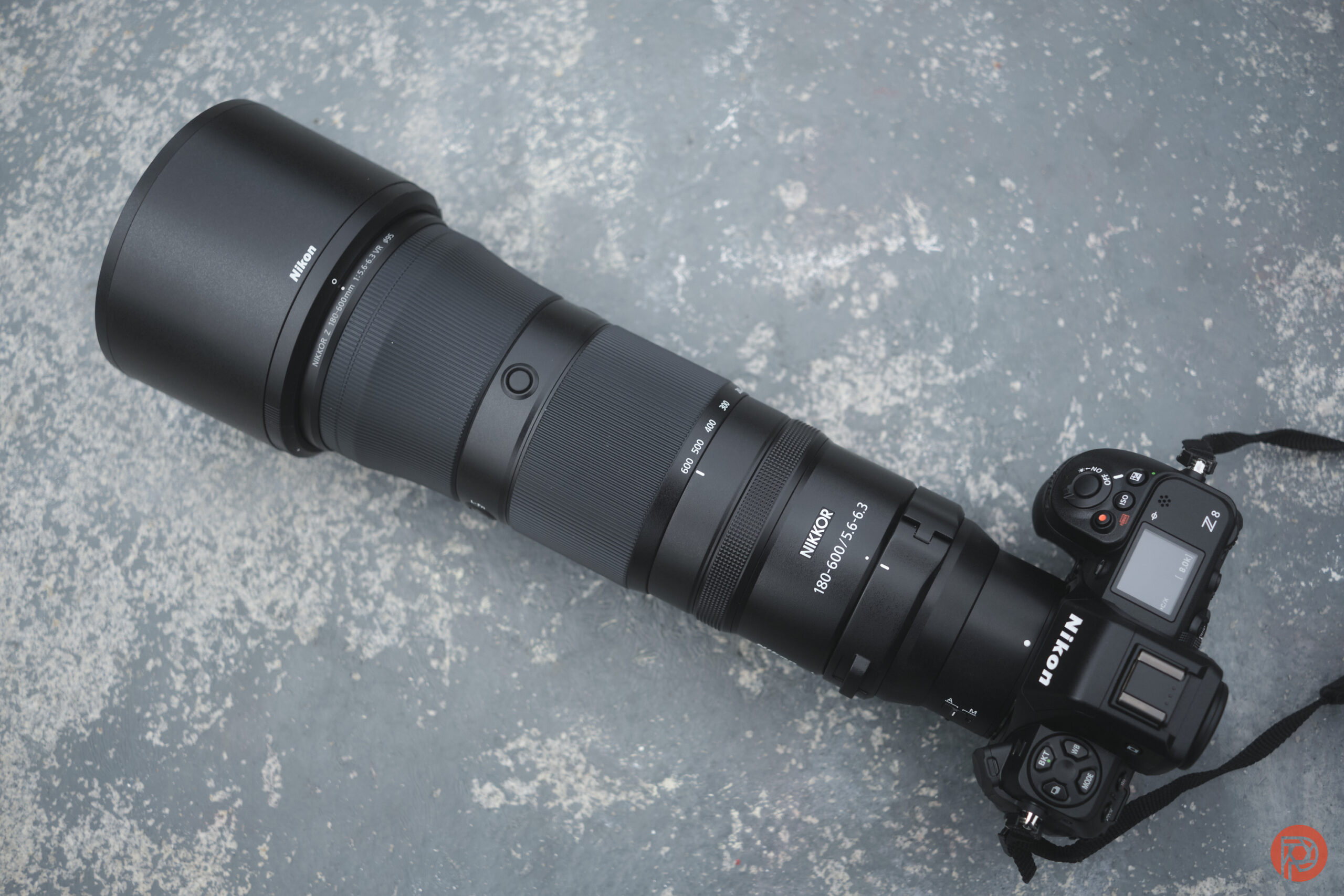
There is a particular kind of quiet that settles over a marsh at dawn, the kind that makes the shutter release feel like the loudest sound in the world. It is in that space that bird photography becomes less about documentation and more about translation, turning feather and flight into something resembling a private language. Nikon understands this impulse, which is why their lens lineup feels less like a catalog and more like a series of invitations. The 18-300mm offers versatility for the wanderer, while the 70-200mm f2.8E delivers that creamy compression we chase in fleeting moments. But for those of us who live for the sharp intake of breath when a kingfisher breaks the surface, the 200-500mm f5.6 is the quiet answer hiding in plain sight. It is not the flashiest glass in the bag, but it is the one that understands the assignment.
We have spent enough time with the brand's ecosystem to know that specs alone rarely tell the whole story. Yes, the 200-500mm gives you reach, and yes, the variable aperture keeps things manageable, but what matters is what happens in the field. You are not wrestling with a tripod when the light shifts; you are lifting the camera to your eye and trusting the vibration reduction to hold the frame steady. This is the lens that rewards patience without demanding a second mortgage, and for the enthusiast who has outgrown kit glass but is not ready to finance a prime, it is the sweet spot. If a reader came to us asking what to pack for a weekend of shorebird photography, we would point them here and then tell them to leave the 70-200mm at home. Not because it is a bad lens, but because the 200-500mm makes you work for the shot in a way that feels like a craft rather than a chore. For a deeper look at how this focal length changes your approach, consider how composition shifts with reach and why golden hour becomes non-negotiable.
The practical takeaway is simpler than it appears. You do not need to own every lens Nikon makes to call yourself a bird photographer; you need the one that disappears in your hands when the action starts. The 200-500mm f5.6 does that. It is heavy enough to feel substantial, light enough to carry on a long hike, and sharp enough that you will stop blaming your gear and start blaming your timing. We would tell that reader to stop reading reviews and start saving, because the only way to understand this lens is to feel the focus ring turn under your thumb and realize you have just captured a frame that feels like a painting. The real question is not whether this is the best option, but whether you are ready to see the world at a distance that makes every bird a portrait. We suspect you are.