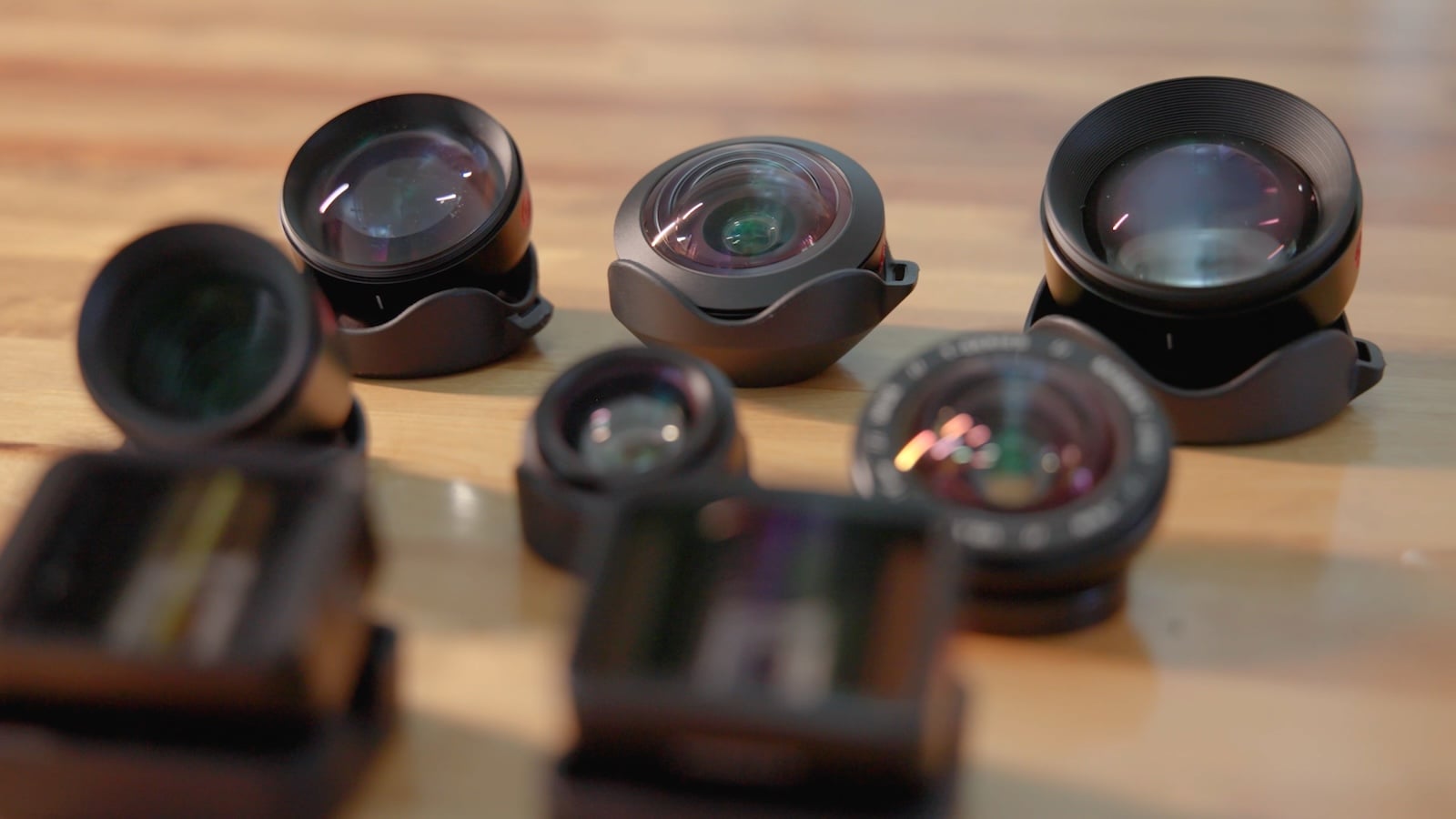
There's a quiet pleasure in discovering that a tool you've long dismissed as merely convenient can suddenly feel like a gateway to something more deliberate. We suspect many of our readers know the feeling: the iPhone in your pocket is the camera you use for the in-between moments, the quick documentation of a smoothie bowl or a sunset, but rarely the instrument you reach for when you want to make a statement. So when we came across this hands-on look at the Moment T-Series II lenses, we found ourselves nodding along, not because we were surprised by the optics, but because of the honest starting point. The author admits to never having attached a lens to their phone before, which is precisely the kind of confession that makes this review feel like a conversation with a friend rather than a spec sheet. It's a reminder that the best upgrades often begin with a shift in intention, not just in gear.
What's compelling here isn't just the promise of sharper glass or more creative control, but the idea that these tools might actually change your relationship with the camera you already own. We're not talking about transforming your iPhone into a professional cinema rig; that would be overselling the point. Instead, what the Moment set offers is a nudge toward a more curated way of seeing. For the creative collaborators and health-conscious enthusiasts in our orbit, this is where the practical value lives. You're not chasing a technical benchmark; you're chasing a feeling, a particular quality of light or texture that a default wide-angle simply flattens into the ordinary. That's why we'd tell a reader who asked us about these lenses to consider their own habits first. Are you someone who documents your training sessions, your travel, your quiet morning rituals? If so, the investment isn't about pixel-peeping; it's about making those moments feel as intentional as they are in your memory.
But let's be clear: this isn't a call to abandon your artistic instincts in favor of hardware. The real takeaway here is the permission to be a beginner again, to feel that slight awkwardness of attaching something new and then the spark of seeing your familiar surroundings with fresh eyes. We'd advise anyone curious to start small, to pick one lens that speaks to your most common subject, whether that's a portrait lens for street-style shots or a macro for the details of a well-made meal. The point isn't to collect gear; it's to expand the vocabulary you already have. And if the author's experience is any indication, the shift from "I never use accessories" to "that might change" is the real story, one that feels both aspirational and entirely within reach.
The question we're left with is simple: what will you point it at first? Because the moment you stop treating your phone as a mere utility and start treating it as a sketchbook, the possibilities feel less like a marketing promise and more like a personal invitation. That's the detail we're watching for, not the lens's sharpness at the edges, but whether it nudges you to slow down and look twice. For us, that's the only metric that truly matters.