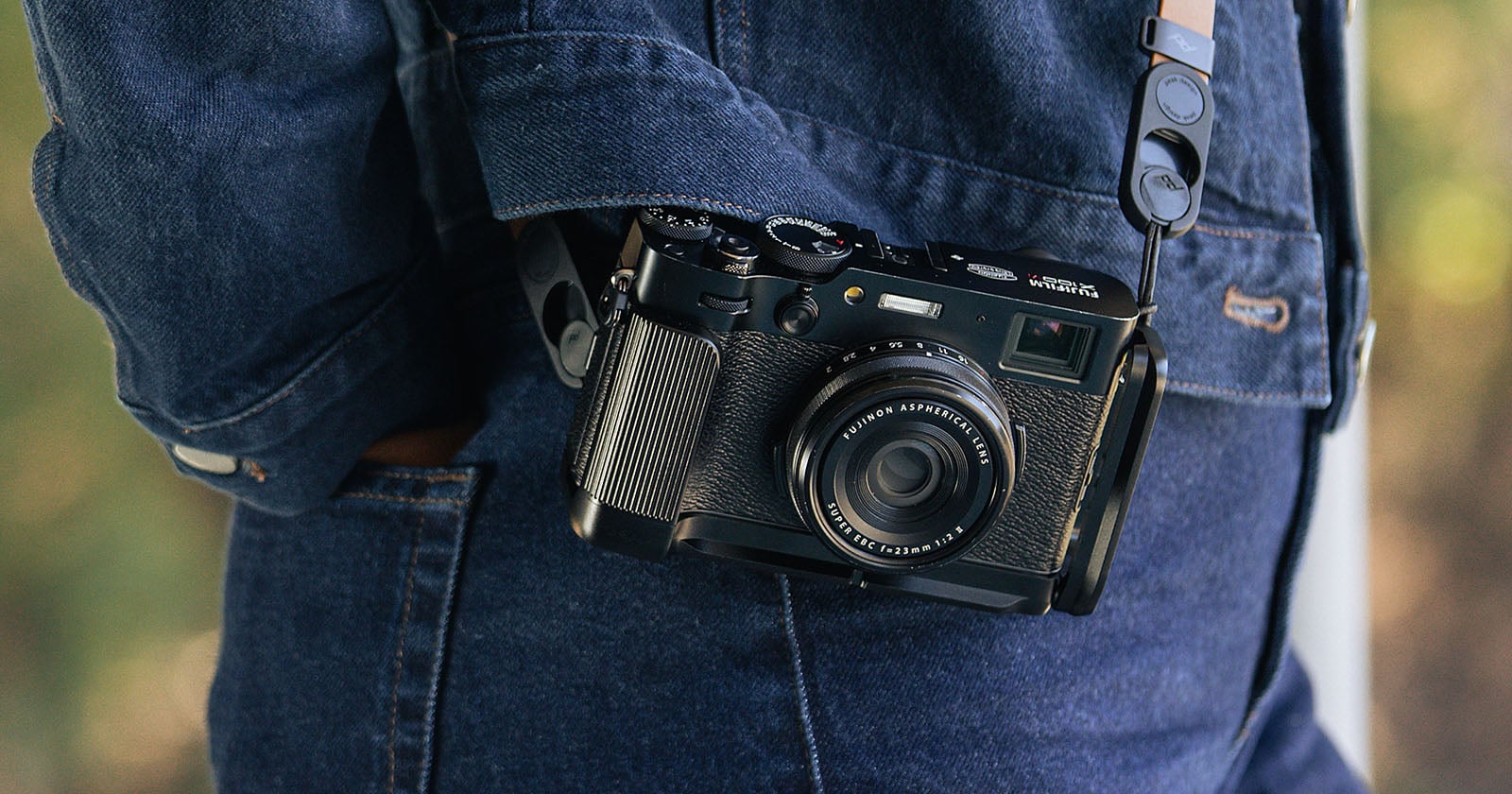
There is a particular kind of quiet thrill that comes when a piece of gear finally understands the assignment. Peak Design's new Field Bracket, a modular L-bracket system, is that rare piece of engineering that feels less like an accessory and more like a quiet rebellion against the compromises we have all silently accepted. For anyone who has ever fumbled with a traditional bracket, twisting a camera sideways only to find the plate digging into your palm, the promise here is not just about support. It is about the freedom to move without thought, to let the tool dissolve into the background of the creative moment. That is the kind of authenticity we chase, the same spirit that draws us to the unfiltered honesty of Finding Joy on the Streets, One Frame After Fashion, where the city becomes a stage and the camera is simply an extension of your curiosity.
The brilliance of the Field Bracket is not in reinventing the wheel, but in questioning why we were still using a square one. Traditional L-brackets force a choice: speed when switching orientations, or comfort when holding the camera naturally. Peak Design is essentially saying we should not have to pick. By making the system modular, they are acknowledging that the way we shoot is as varied as the light we chase. This is a direct appeal to the working photographer, the one who is just as likely to be documenting the raw energy of a street corner as they are to be setting up a considered portrait. It reminds us of the lessons found in Capturing Cosmic Beauty: An Astrophotography Journey with Nikon, where patience and adaptability are the true tools, and the gear is merely there to get out of your way. The takeaway is simple and worth quoting: "Good gear should make you forget it is there, not remind you with every press of the shutter."
What we appreciate most is the intent behind the design. This is not a flashy, look-at-me piece of kit. It is a considered response to a daily frustration, a quiet acknowledgment that the best tools are the ones that work so well you stop noticing them. For our readers, the practical question is not whether you need another bracket, but whether you are tired of fighting the one you have. If the weight of your camera is a constant negotiation, this system offers a reprieve. It invites you to move, to shoot from the hip, to raise the camera to your eye without the mental overhead of adjusting a lock. That fluidity is what connects us to the artistic community showcased in Experience Photography's Artistry: The 5 Boro Foto Fest Returns, where the celebration of the craft is rooted in the joy of the moment, not the mechanics of the machine.
The one detail we will be watching is the long-term durability of the modular connection. A bracket is an easy thing to design for a single shoot, but a harder thing to design for years of daily abuse. We would tell a reader who asked us about this: if you value a clean, uncluttered workflow and you have been living with a workaround, this is the first system that feels like it was designed for the way you actually shoot. It is not about the hype; it is about the feeling of a camera settling into your hand, ready for whatever comes next. The real test will be in the field, with dust in the joints and a thousand rotations under your fingers. That is where the promise of the Field Bracket will either live or die, and honestly, we are curious to see it earn its place.