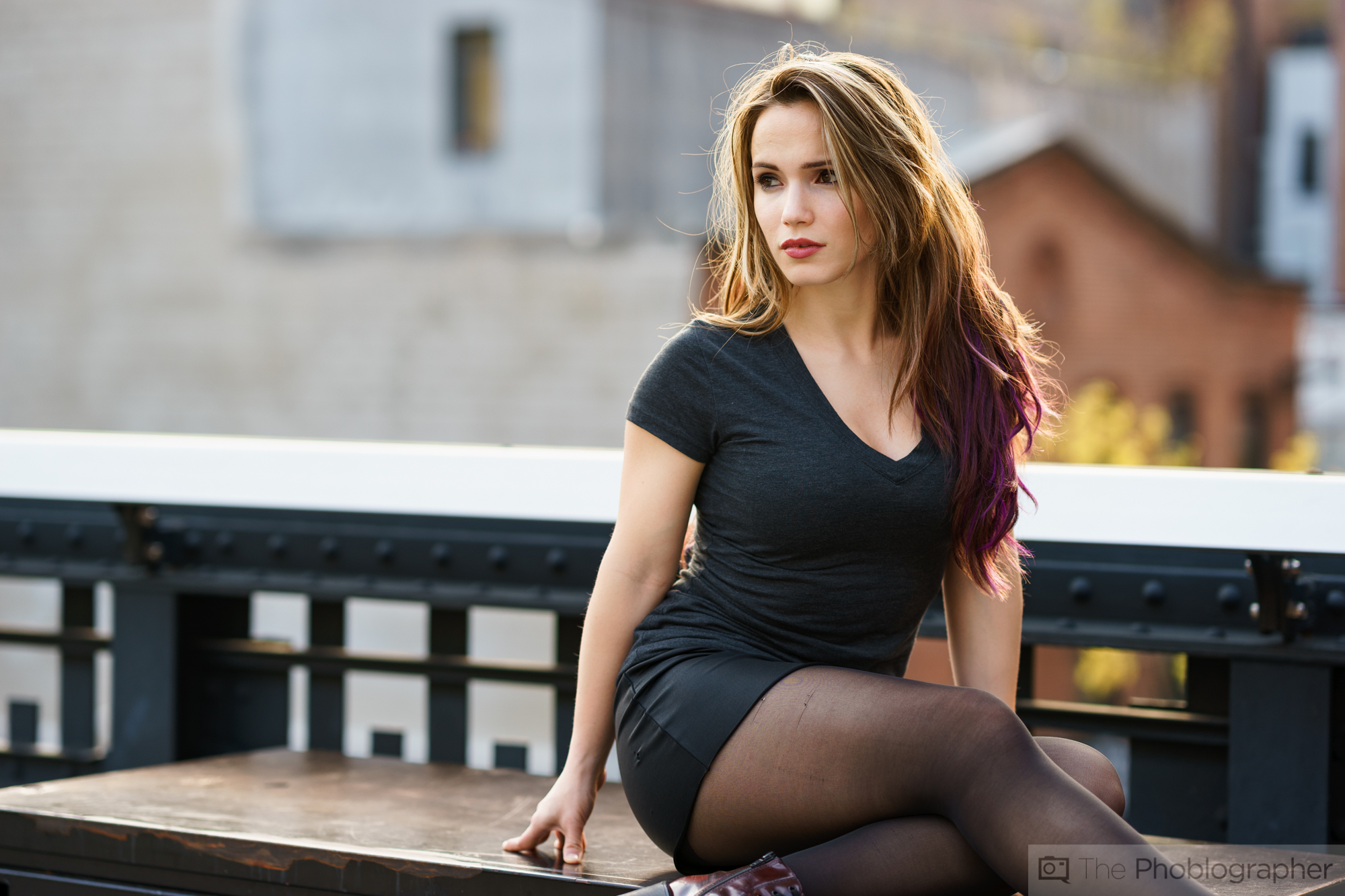
There is a quiet rebellion in turning your back to the sun. For years, the prevailing wisdom in natural-light portraiture has been to seek shade, to soften shadows, and to flatten the light until it is safe and predictable. The article on backlighting challenges that instinct, and we find ourselves entirely smitten with the argument. It speaks directly to the photographer who has mastered the overcast day but craves something more luminous, something that feels less like documentation and more like alchemy. This pursuit of glow and atmosphere resonates deeply with the creative impulse we explore in Finding Joy on the Streets, One Frame After Fashion, where spontaneity and light become the true subjects. Backlighting, in its essence, is a similar act of trust: you place the source behind your subject and let the magic happen at the edges.
What makes this technique so compelling is not merely the technical shift, but the emotional one. A subject haloed by sunlight feels less posed and more present, there is a vulnerability in that glow, a softness that front lighting rarely captures. The article rightly notes that many photographers avoid flash, preferring the honesty of natural light, yet so often that honesty comes wrapped in flat, gray tones. Backlighting offers a third path: it is natural, but it is not timid. It asks you to expose for the highlights and let the shadows fall where they may. This is the same boldness we admire in The Curated Archive: Revisiting the Olympus E-M5, the Original Icon, where revisiting older tools reminds us that limitations often breed the most inventive work. When you cannot rely on fill flash or reflectors, you learn to read the light with your eyes, not your meter.
Our honest take is this: backlighting is not a trick to be deployed once and filed away. It is a philosophy. It teaches you to see the world as a series of translucent moments, where every edge can catch fire and every stray hair can become a line of gold. For the portraitist, it is the difference between recording a face and revealing a presence. The practical takeaway here is immediate and quotable: **place your subject between you and the sun, and you will never chase flat light again.** This is not about perfection; it is about intention. You will lose detail in the shadows. You might flare the lens. But what you gain is an image that feels alive, as though the light itself chose to linger.
Consider this an invitation to experiment with the one variable most photographers treat as an enemy: direct sun. Walk outside at golden hour, put your back to the horizon, and ask your subject to stand in the blaze. The results will not always be flawless, but they will never be ordinary. And in a world saturated with safe, well-lit portraits, ordinary is the one thing we should all be trying to avoid.