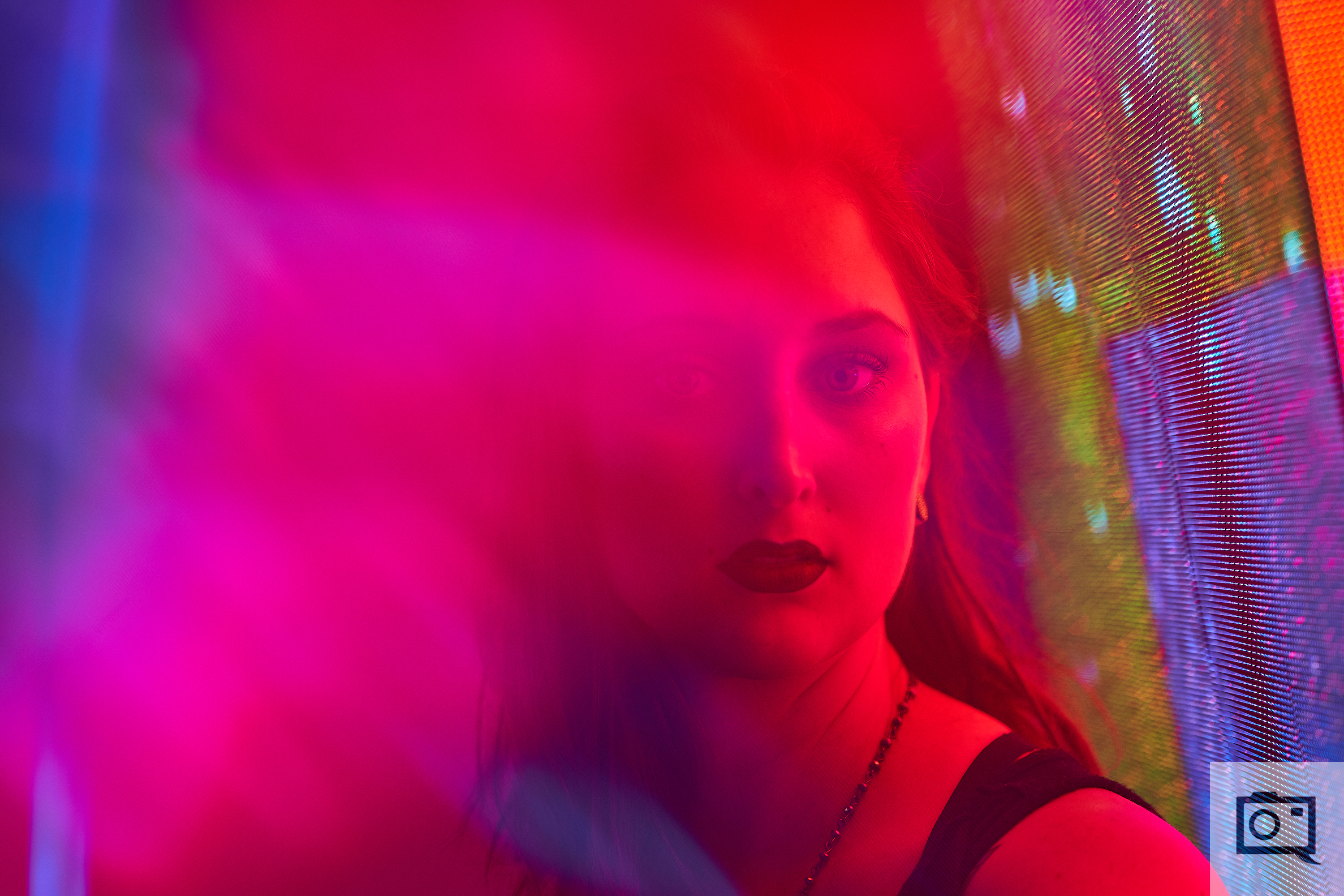
There is something quietly satisfying about a photograph that looks finished the moment it leaves the camera. The article on lens filters touches on a truth many of us circle around: the magic isn't always in the edit, but in the choices made before the shutter clicks. Yes, you can tweak settings or build elaborate setups, but a simple piece of glass can shift the entire mood of an image with a kind of understated elegance. That's not a shortcut; it's a craft. And for those of us who love the process as much as the result, it feels less like a technical hack and more like a quiet invitation to see differently.
Our honest take? Too often, photographers treat filters as an afterthought, something to toss in the bag and forget. But the real value here is intentionality. A polarizer isn't just about deeper skies; it's about cutting through glare to reveal texture that your eye might miss. A neutral density filter isn't just for long exposures; it's a tool for telling time in a single frame, compressing movement into a whisper. The article reminds us that these aren't barriers to creativity, but partners in it. For the reader who's been relying on post-processing to save the day, we'd say this: start small. Pick one filter, learn its personality, and let it teach you something about light that no preset ever will. It's not about perfection; it's about presence.
What we appreciate most is the article's quiet push toward simplicity. In a world that often equates complexity with quality, there's a refreshing clarity in saying, "Here's a tool, here's how it works, now go play." That aligns with our belief that creativity thrives when constraints are embraced rather than avoided. You don't need a bag full of gear or a studio's worth of lights to make an image feel intentional. A single filter can be the difference between a snapshot and a statement. For the reader who's curious but hesitant, we'd offer this: don't overthink it. Borrow a lens, buy a basic kit, and spend an afternoon chasing reflections or softening waterfalls. The goal isn't to master technique overnight; it's to rediscover the joy of getting it right in-camera.
If you're ready to explore further, we'd point you toward understanding composition basics and finding your visual voice to complement your new approach. And for those who like a deep dive, this guide on light and shadow pairs beautifully with the filter mindset. The concrete detail to watch? Notice how your eye starts to slow down. You'll begin to see light as something you shape, not just capture. That shift, subtle as it is, changes everything.