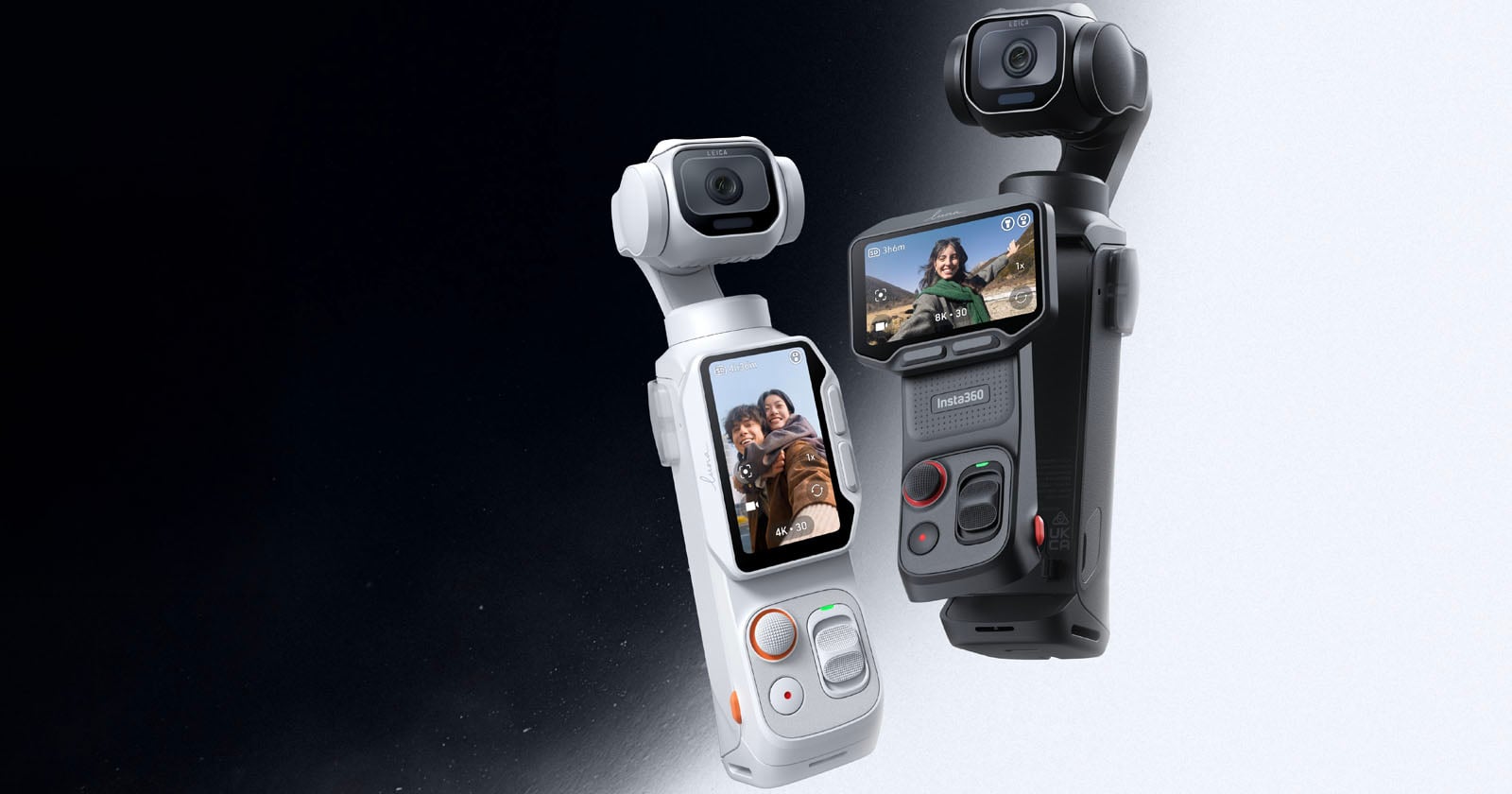
The Luna Pro is a fascinating piece of restraint from a company that usually flexes by cramming every possible sensor into a chassis. By stripping the Luna Ultra down to a single camera and aiming directly at the DJI Osmo Pocket 3 and 4, Insta360 has effectively admitted that the future of pocket filmmaking is not about more lenses, but about smarter, more tactile control. The detachable screen remains the headline feature, and that is the right bet. It is a move that prioritizes the human element of framing and composition over raw specs, a philosophy that echoes the artistic intentionality we see in work like the Collaborate & Create: Boudoir Sessions Offered Across Florida's Coast, where the connection between photographer and subject is the true differentiator, not the gear in hand.
For the working creator, this is a practical acknowledgment that the gimbal camera market was becoming a spec-sheet arms race. The Osmo Pocket series has long been the default for run-and-gun vlogging, but the Luna Pro's detachable screen is a quiet revolution for those of us who find a fixed screen limiting for storytelling. It invites a more curated, considered approach to composition, similar to how Leica Lux 2.0: Crafting iPhone Photography with Artistic Vision challenges the idea that computational photography must look sterile or over-processed. The Luna Pro is not about beating DJI on megapixels; it is about offering a different way to see. The slimmer body means it will slide into a bag without complaint, but the screen is what will make you want to pull it out.
Our honest take is that this device is a statement about the maturity of the category. The fact that Insta360 is willing to go down-market with a feature that was once a flagship exclusive tells us that the "detachable screen" is no longer a luxury; it is becoming a standard expectation for those who care about the craft. We would tell a reader that if you have been eyeing the Ultra but balking at the price, the Pro is not a compromise. It is a focused tool that forces you to engage with your subject, much like the deliberate portraiture highlighted in Celebrating Portraits: Photography Honoring the Spectrum of Skin Tones, where the photographer's eye matters more than the camera's resolution.
The specific consequence to watch is how DJI responds. If the Pocket 4 launches with a similar detachable screen, the Luna Pro will have done its job by forcing the industry to treat ergonomic creativity as a core feature, not an afterthought. If it does not, Insta360 has just carved out a niche where the only limit is how you choose to frame the world. For our readers, the takeaway is simple: the Luna Pro is a reminder that stability is not just about gimbal motors; it is about having the freedom to move your screen, your perspective, and your story. Watch the price drop on the Ultra, and watch the Pocket 4's announcement. That is where this battle will be won.