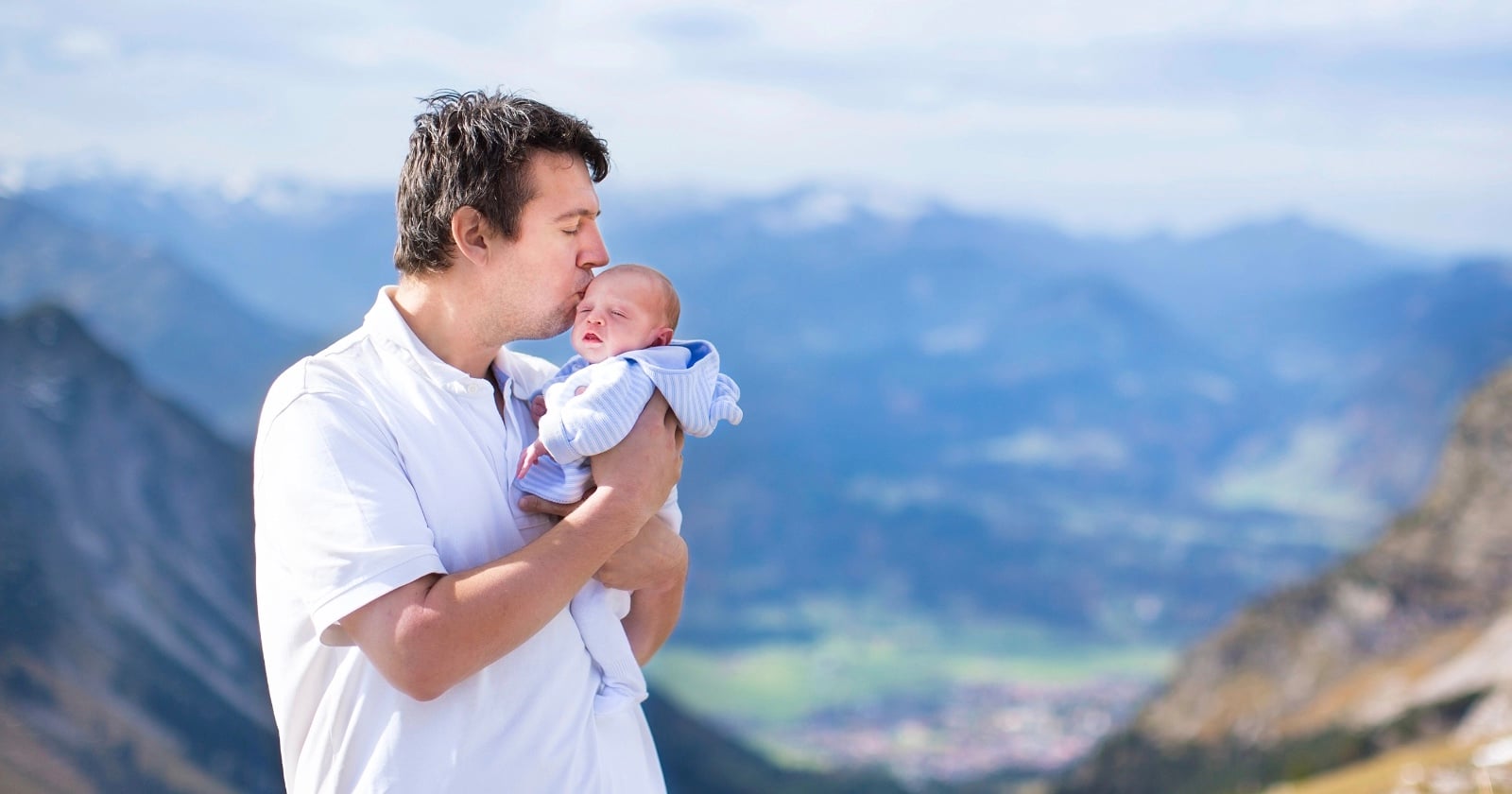
There is a particular kind of confidence that comes from believing the world is your studio, and for a moment, we understand the impulse behind the summit selfie. The image of a parent, beaming with effort and pride, holding a newborn aloft against a dramatic mountain backdrop is, on its surface, a modern family portrait with high production value. But when an expert has to step in and ask parents to stop carrying their babies up one of the busiest mountains on the planet for the sake of that frame, we have to pause. This is no longer about the artistry of the shot; it is about the ethics of the journey. We are all for immersive experiences, but there is a crucial difference between curating a life of adventure and treating a tiny human as an accessory for a more compelling narrative. The mountain does not care about your feed, and neither should you when it comes to your child's safety.
This conversation feels especially relevant when we consider how we document our lives, a theme we have explored in our own coverage of visual storytelling, from the raw honesty of Finding Joy on the Streets, One Frame After Fashion to the patient awe required for Capturing Cosmic Beauty: An Astrophotography Journey with Nikon. In both those worlds, the photographer makes a conscious choice to respect the subject, whether that is a stranger on a sidewalk or the infinite patience of the night sky. The subject is never compromised for the sake of the shot; the shot is elevated because the subject is respected. Here, the subject is a baby, and the backdrop is a high-altitude environment known for its crowds and its risks. The exposure you are capturing is not just light hitting a sensor; it is the potential for a heat stroke, a fall, or a lost child in a sea of strangers. The aesthetic payoff can never justify the physiological gamble.
What would we tell a reader who asks us if they should attempt this? We would tell them to leave the baby with a trusted companion and go climb that mountain yourself. Bring back the summit shot, but bring back the story of *your own* effort, not the fragile life you are responsible for. If the image is truly about the beauty of the location, then the location should not be a prop for a risky photo op; it should be a place you visit with full presence. Our related coverage on the return of Experience Photography's Artistry: The 5 Boro Foto Fest Returns reminds us that the most compelling photography often comes from a place of genuine engagement with the environment, not from staging a dangerous situation within it. The photograph is a memory, not a dare.
The concrete point to watch here is the shift in accountability. It is easy to dismiss experts as buzzkills until the worst-case scenario plays out in a headline. The question we should be asking is not "Can I do this?" but "Should I frame my child's life as a prop in my own ambition?" The next time you reach for your camera on a trail, ask yourself if the shot is worth the weight of the responsibility you are carrying. If the answer requires a moment of hesitation, then the answer is no. The summit will still be there tomorrow; your child's first steps will not wait for you to put the camera down.