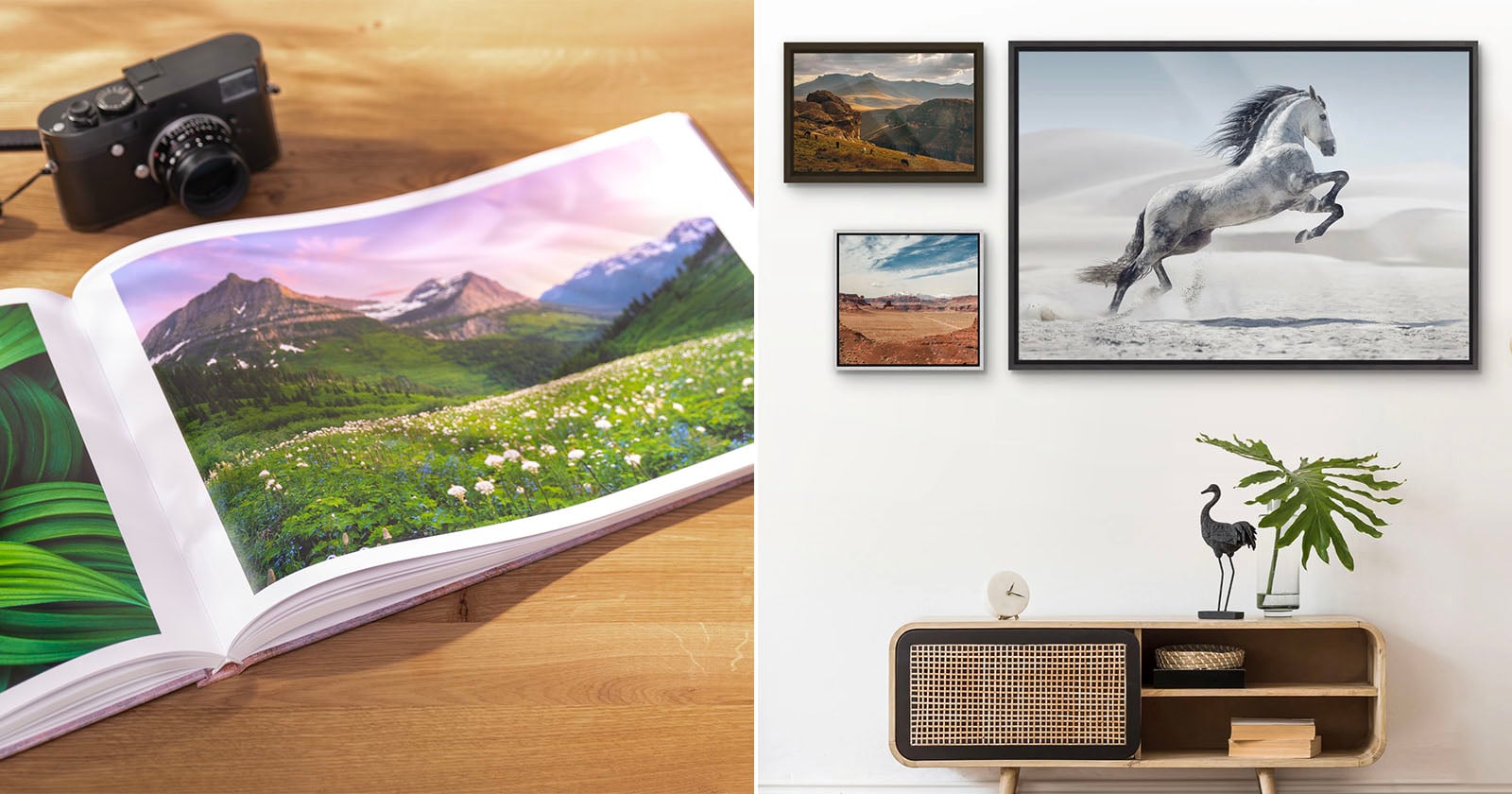
There is something quietly radical about a leader in the printing world insisting that a photograph isn't finished until it leaves the screen. Petra Felgen, the new CEO of WhiteWall, has stepped into her role with a conviction that feels almost countercultural in an era of endless scrolling. Her belief that a photo is truly complete once you print it is not just a business philosophy; it is a challenge to every photographer who has ever settled for a double-tap as the final destination for their work. We would tell any reader who asks: this is a moment to reconsider what "finished" means to you, and whether the pixel has quietly become a crutch.
The timing is telling. As we have seen with the Capturing Cosmic Beauty: An Astrophotography Journey with Nikon, the most breathtaking images often demand a physical presence to be fully felt. A nebula on a phone screen is a curiosity; a nebula printed large and backlit is an environment. Similarly, Experience Photography's Artistry: The 5 Boro Foto Fest Returns reminds us that photography's power has always lived in shared, tangible experiences, in the act of standing before a print with others. Felgen's vision aligns with that ethos, but she is also pushing it forward by positioning WhiteWall as a partner in that physical transformation, not just a vendor. This is not nostalgia; it is a curated return to the artifact.
Our honest take is that this leadership change signals a deeper shift in how premium labs must think about their role. It is no longer enough to print well; the expectation is to curate the entire journey from file to frame. Felgen's focus on high-quality services for artists suggests she understands that the barrier is not technical skill, but intentionality. For our readers, the practical takeaway is direct: start treating your final edit as a draft for the print, not the print as a copy of the screen. Ask yourself if the shadows hold up, if the color feels right in your hands, not just in your hand. This is where the conversation with WhiteWall begins, and it is a conversation worth having.
The detail we are watching is not the technology, but the tone. Felgen's public statements carry a warmth and clarity that matches the brand's aspirational yet grounded identity. If she can translate that into accessible guidance for photographers who feel intimidated by the printing process, she will have done more than lead a company; she will have reconnected a generation to the weight of their own work. The question we are left with is simple: will the industry follow her lead and start treating the print as the point, rather than the afterthought? For now, that is the standard we intend to hold, one frame at a time.