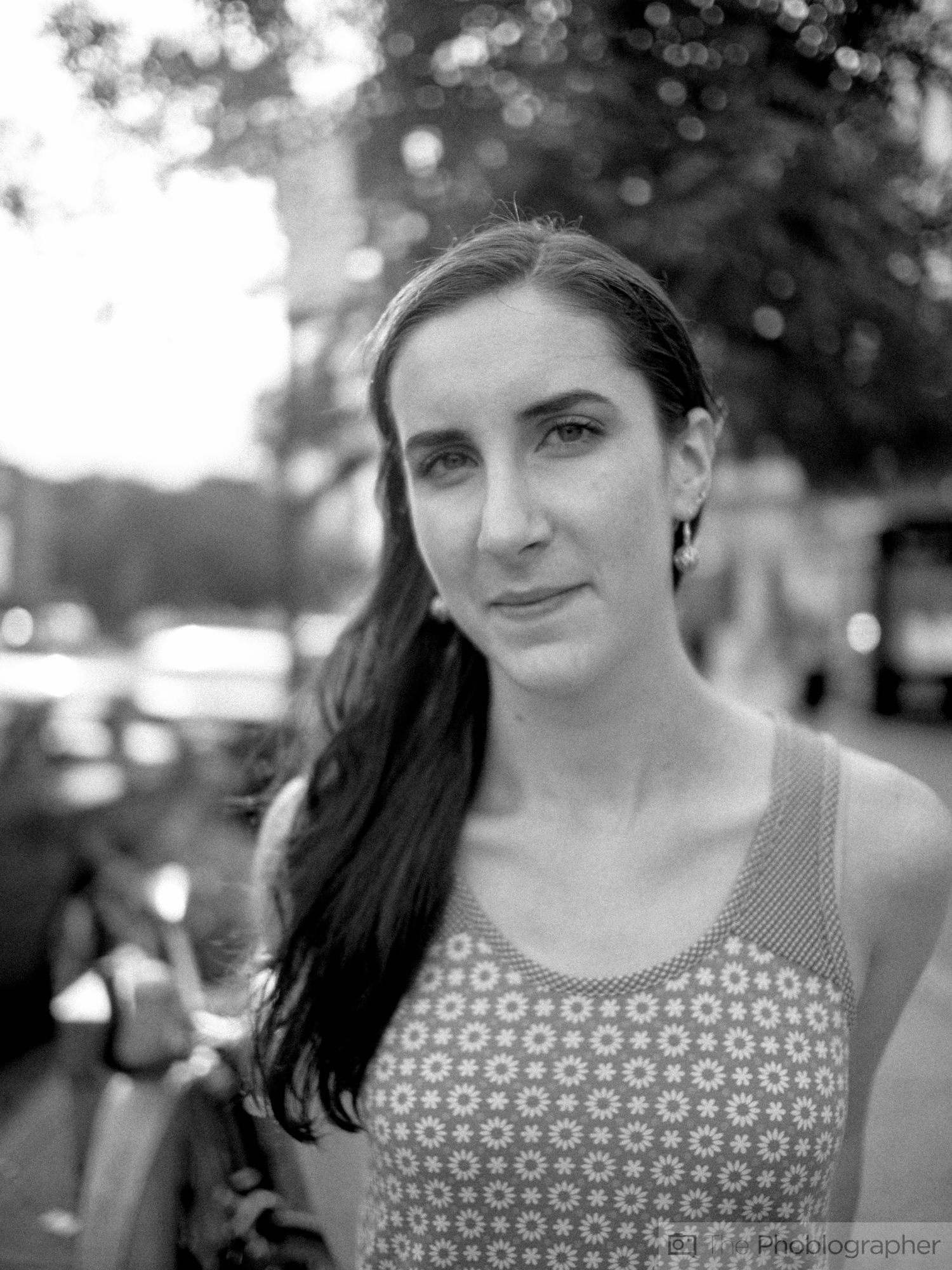
There is something quietly radical about choosing to see the world in black and white before you even press the shutter. Most photographers shoot in color and then fix their images in post-production afterward. But one of our contributors has been doing something much different: making images in black and white, trusting the RAW and JPEG safety net only when the scene genuinely demands color. That shift, from editing *after* the fact to committing *in the moment*, is not a technical tweak. It is a creative discipline worth exploring.
This approach echoes a theme we have seen across recent features. In Art Moves the Soul as 5 Boro Foto Fest Celebrates Human-Made Creativity, the festival reminded us that photography thrives on intention, not automation. And in When the camera captured more than what the eye could see, we celebrated those moments when a single frame reveals what the naked eye almost missed. Shooting monochrome in-camera is that same refusal to let convenience dictate vision. You are not fixing a photograph later; you are composing a statement right now.
For our readers, whether you spend your mornings in a yoga studio or your evenings curating a mood board, there is a tangible lesson here. The contributor mentions that most photographers use the shot preview effect anyway instead of relying on the light meter. So why not flip the viewfinder to monochrome and see what surfaces? Strip away the distraction of color, and you are left with contrast, texture, and light. That is where composition sharpens. That is where an image stops being a record and starts being an expression. The takeaway is direct: try it for one week. Shoot in black and white, edit the color RAWs only when the scene truly calls for it, and notice how your eye begins to hunt for shape and shadow rather than saturation.
This is not about abandoning color, fashion and lifestyle are too vibrant for dogma. It is about reclaiming the moment of capture as the primary act of artistry. The contributor shoots in RAW and JPEG but only edits the RAWs later if the scene could have been much better in color. That restraint is a vote of confidence in the initial frame. We are drawn to that ethos because it mirrors the best of what our community values: authenticity over polish, intention over habit. As Signed Stories Where Fact Blurs Into Fiction from Magnum's Curated Sale shows, the most compelling images often live in the space between what is real and what is imagined. Monochrome, shot from the start, is a shortcut to that space.
The real question is not whether black and white photographs better than color. It is whether you trust your eye enough to commit before the edit. That is the lens worth trying on.