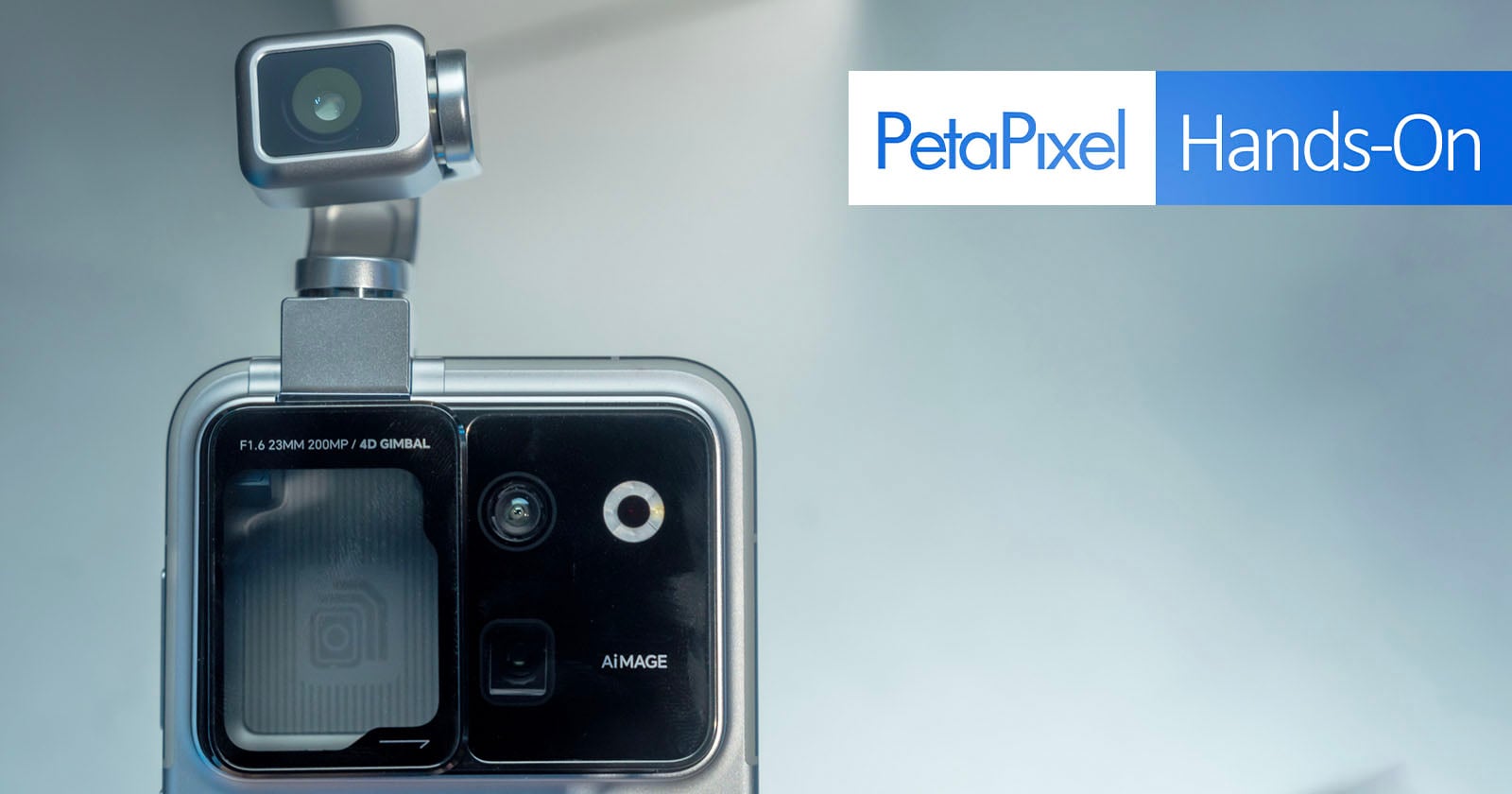
The Honor Robot Phone has officially moved from concept art to store shelves in China, and the first thing we have to say is: finally. A motorized gimbal built into a rear camera module sounds like the kind of speculative feature we usually see at trade shows, never to be seen again. But after spending hands-on time with the finished device, it's clear this is an engineering feat, not a parlor trick. The stability is real, the execution is polished, and it solves a problem we've all quietly accepted as unsolvable: the physical limits of handheld shooting. This isn't just another spec sheet flex; it's a statement that smartphone photography can evolve beyond computational tricks and into the realm of hardware that genuinely moves with you.
For our readers who live at the intersection of visual storytelling and daily life, this device blurs the line between tool and accessory. It's not about replacing your mirrorless camera or your gimbal rig; it's about the freedom of leaving those behind without sacrificing the shot. We'd tell anyone on the fence to think about their own shooting habits. How many times have you paused a video because the shake was too much, or missed a moment because you were fumbling with a stabilizing app? The Honor Robot Phone answers that with a quiet, mechanical confidence. It reminds us of the tactile joy of capturing an ultra-low ISO film where the process itself demands intention, or the purity of getting a look right in-camera with something like PolarPro’s radial filters. The common thread is a respect for the craft, a desire to reduce the distance between the eye and the image.
But let's be honest about our take. A gimbal in a phone is a bold bet on a specific kind of user. It's for the active creator, the one who shoots while walking, hiking, or chasing a subject through a crowded space. It's not a magic bullet for framing or composition, and it won't fix a lack of vision. What it does is remove the most common technical excuse we all fall back on. We'd say that's worth a moment of attention, especially in a market where incremental sensor upgrades often feel recycled. This device dares to be different, and for that alone, it deserves a closer look. The question isn't whether it works; we know it does. The question is whether the industry will follow, or dismiss it as a niche experiment. We're watching closely, because this feels less like a gimmick and more like a quiet challenge to every other manufacturer. The real test will be how the software handles the new hardware over time, and whether the motor's longevity matches the promise of the stills it captures. That's the detail we'll be watching.