FAA Warns of Criminal Fines Up to $100,000 for Drones Near World Cup Stadiums
Our take
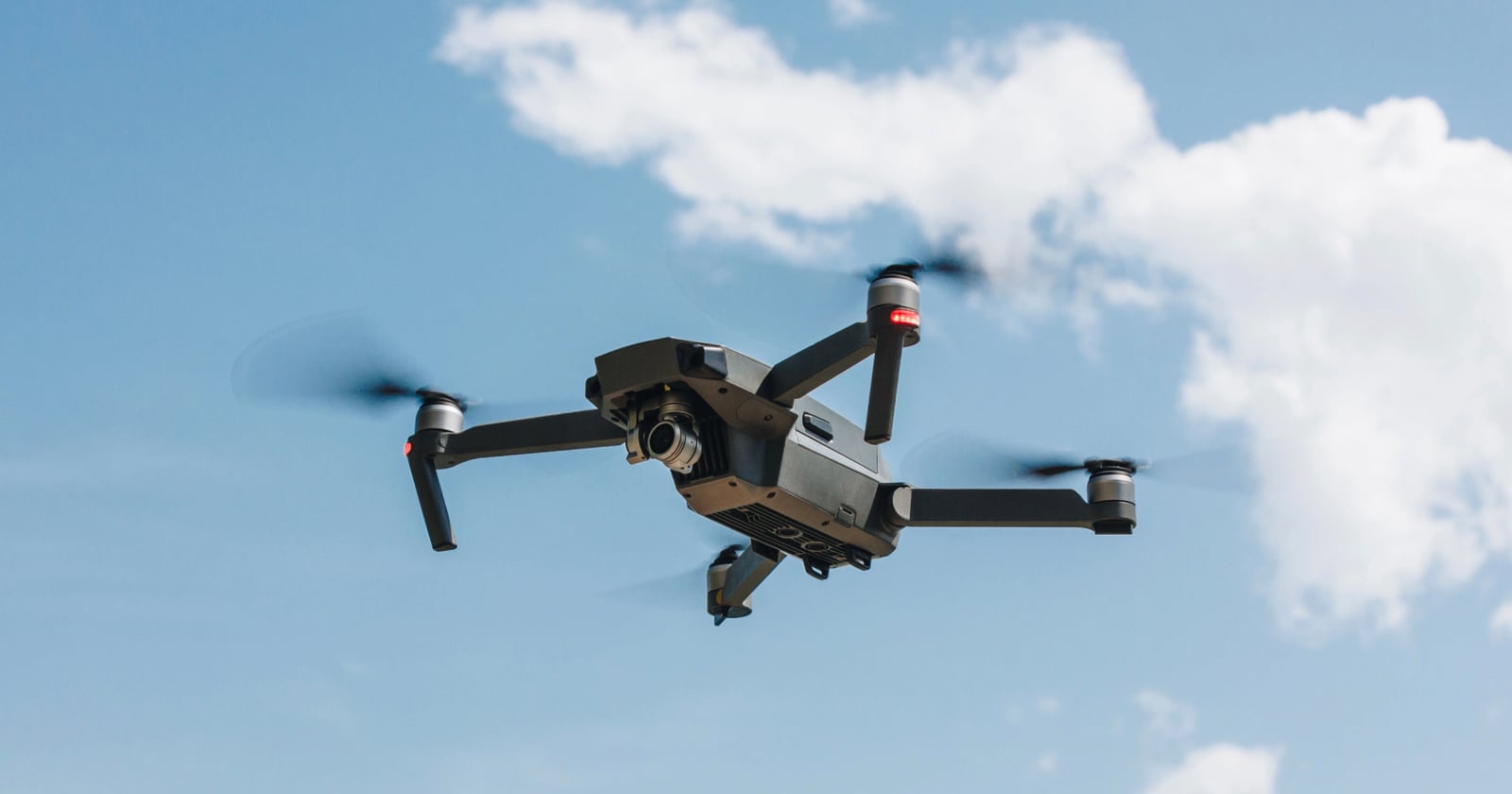
The FAA's designation of World Cup stadiums as "No Drone Zones" with potential fines up to $100,000 highlights the growing tension between technological innovation and public safety. This move parallels India's recent bans on smartphone photography in tiger reserves, as authorities increasingly recognize the need to protect both spectators and sensitive environments India's Tiger Reserves Are Banning Smartphone Photography. For photography enthusiasts and content creators, these restrictions raise important questions about the evolving boundaries of capturing public events in the digital age, especially as drone technology becomes more accessible and sophisticated. The situation also echoes concerns about photography equipment authenticity, as seen in discussions about questionable retailers like photoloving.com Beware photoloving.com!, reminding us that technological boundaries extend beyond usage to include equipment integrity.
The strict enforcement reflects a necessary response to genuine security concerns, particularly in high-profile events like the World Cup where mass gatherings create complex safety challenges. However, these regulations also signal a broader conversation about how we balance technological freedom with public welfare. As drones become increasingly integral to immersive storytelling and creative expression, we must consider whether blanket bans represent the most nuanced approach, or if more sophisticated solutions—such as geo-fencing technology or designated aerial photography zones—might offer alternatives that preserve both safety and artistic opportunity. This challenge mirrors the ongoing discussions about AI cleanup tools in photography, which also navigate the intersection of technological advancement and creative integrity Thoughts about ai clean up tools.
For professional photographers and content creators, these restrictions represent both a limitation and an opportunity to reimagine how we capture the essence of live events. While drone footage offers unparalleled perspectives that ground-level cameras cannot match, the absence of aerial competition may foster greater innovation in traditional photography techniques and alternative storytelling methods. Moreover, the enforcement of such strict regulations underscores the importance of education and awareness around responsible drone usage, suggesting that rather than outright prohibition, a more curated approach to aerial photography might better serve both safety and artistic expression in our increasingly connected world.
As we look toward future mega-events and sporting spectacles, the FAA's drone restrictions may well become a template for how major venues approach emerging technologies. The question worth watching is whether these temporary bans will evolve into permanent restrictions or if we'll see the development of more sophisticated frameworks that accommodate technological advancement while prioritizing safety. Perhaps the most aspirational path forward lies not in prohibition but in innovation—creating systems where aerial perspectives can be safely integrated into the fabric of live events, allowing for the vibrant, immersive experiences that technology promises without compromising the security and serenity that spectators deserve.
The Federal Aviation Administration (FAA) has designated all FIFA World Cup stadiums and event spaces as strict “No Drone Zones” and says it will impose criminal fines of up to $100,000 for flying aerial devices near them.
Read on the original site
Open the publisher's page for the full experience