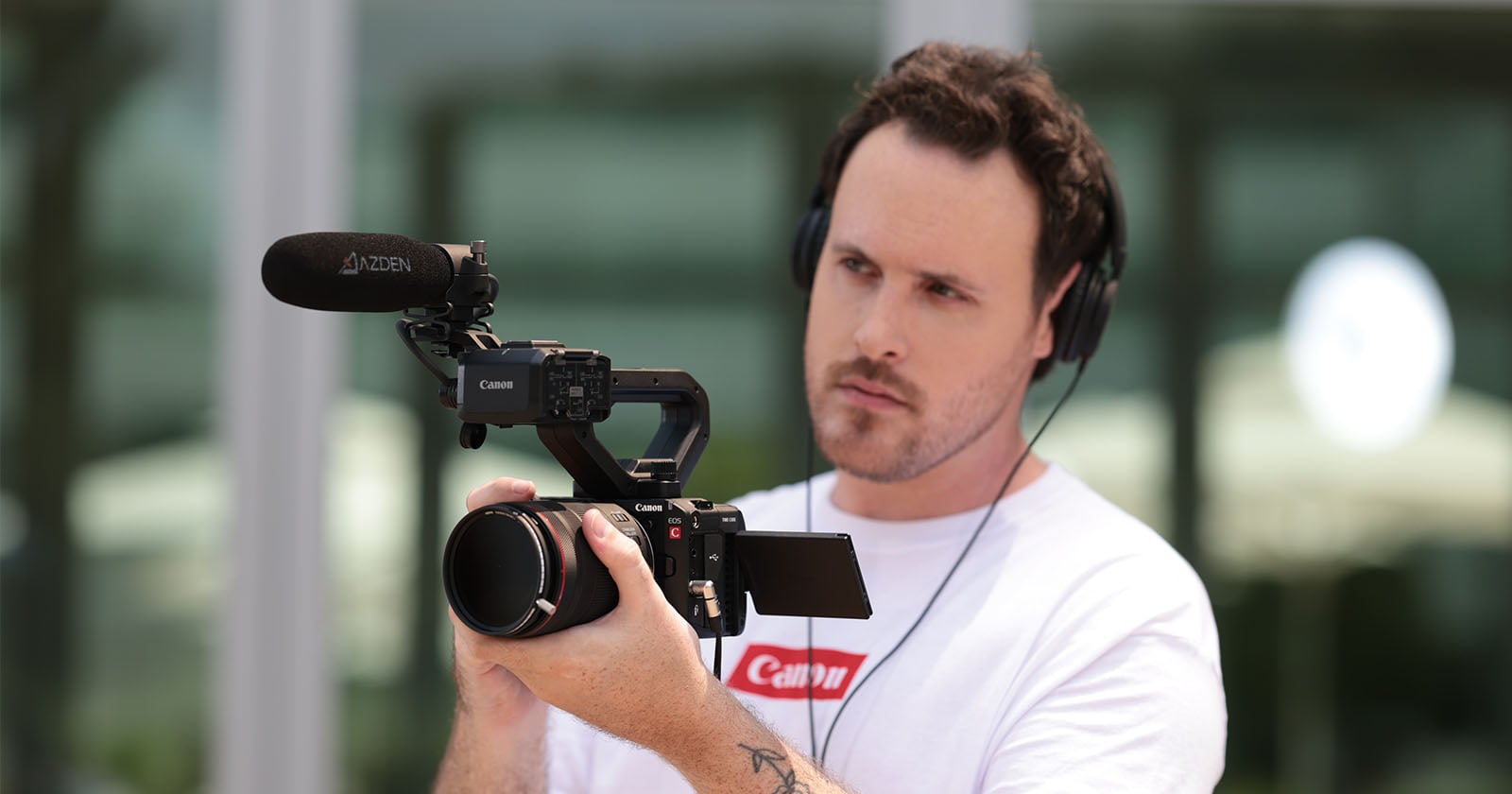
Fifteen years ago, Canon released the 5D Mark II and quietly changed how we think about moving images. That first DSLR with Full HD video didn't just launch a product line, it launched an entire system, one that has grown from a clever workaround into the Cinema EOS ecosystem that professionals rely on today. We have always admired how Canon treats this system as a living thing, not a static collection of cameras. The new firmware updates and camera kits announced for the 15th anniversary prove the point: this is a company that still believes in refining what already works, not just chasing the next headline.
The timing is worth noting. Just as we were Rediscovering the Canon Elan 7: Timeless Craft Meets Modern Vision, a reminder that Canon's film-era instincts still resonate, the Cinema EOS updates show how those instincts translate into digital longevity. The Elan 7 earned its reputation through dependable mechanics and thoughtful design. The Cinema EOS system earns its keep the same way: by evolving without abandoning its core identity. Meanwhile, a completely different legacy camera, The Nikon D800 Still Earns Its Place in 2026, proves that great tools outlast their generation. Canon seems to understand that a firmware update can be as meaningful as a new release. That is rare, and it matters.
What does this mean in practical terms? For anyone who owns Cinema EOS gear, the firmware updates are an invitation to refresh your toolset without buying new hardware. That is the kind of gesture that builds loyalty: not a press release about a revolutionary sensor, but a quiet promise that your investment still has room to grow. The new kits, meanwhile, suggest Canon is paying attention to how people actually work on set, bundling what makes sense rather than forcing unnecessary upgrades. It is an approach that feels more like a conversation with the community than a monologue from the manufacturer.
The specific takeaway here is simple: the best systems are the ones that age gracefully. Canon has chosen to mark fifteen years not with a commemorative plaque, but with usable improvements that extend the life of cameras already in the field. That tells us more about their philosophy than any launch event ever could. The question worth watching is whether this approach will influence how they design the next generation of Cinema EOS bodies, or whether the pressure to innovate will pull them toward planned obsolescence. For now, we are betting on the former.