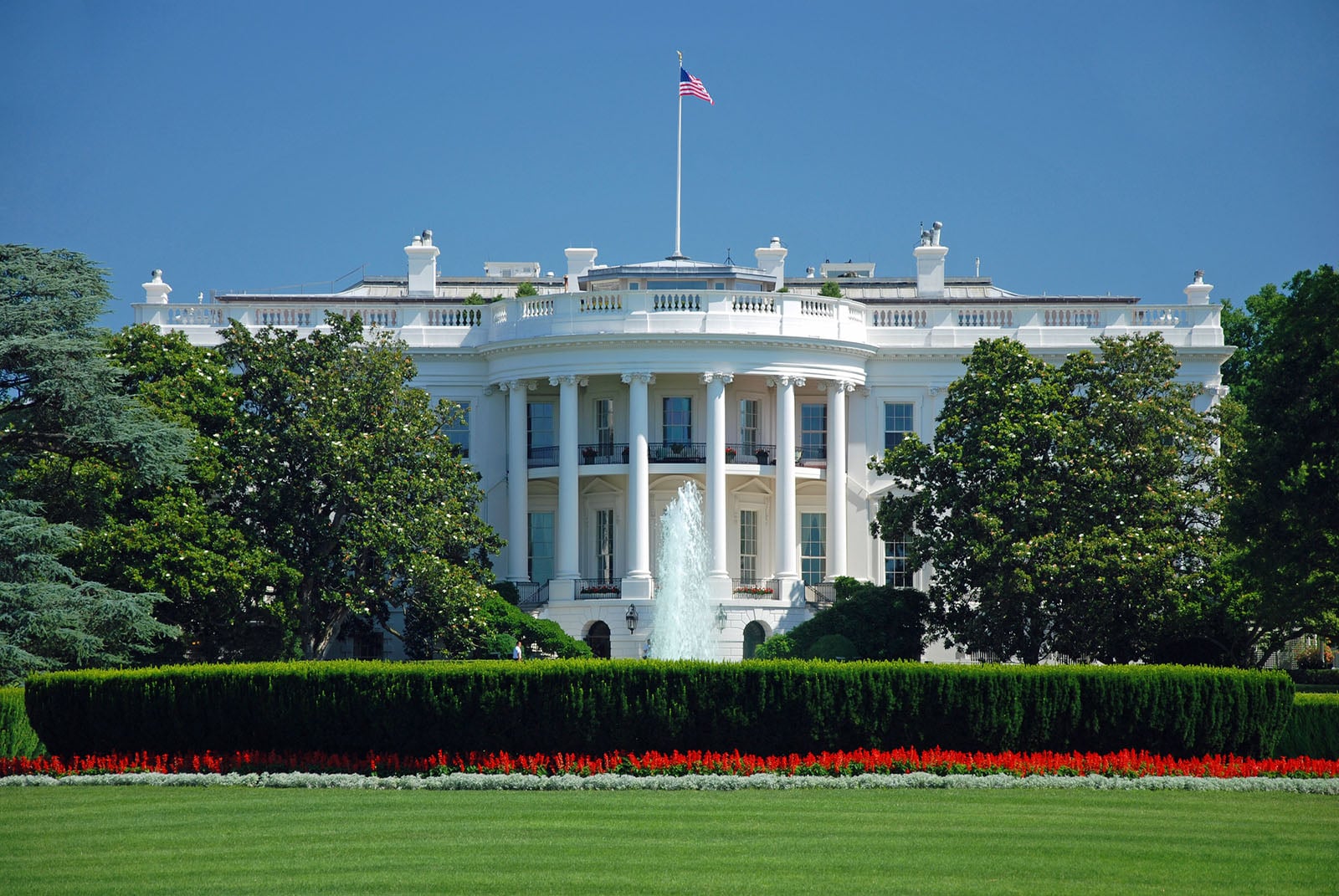
There's a particular kind of tension that settles over a security checkpoint when the person holding the badge and the person holding the camera are suddenly at odds. This weekend, that tension became concrete for the MS NOW crew, as U.S. Secret Service agents confiscated their press badges and turned them away from the White House gate. The official line, insofar as one exists, is that this was a routine security measure. But we've watched enough of these moments to know that routine, in this context, is a word that deserves quotation marks.
For the working photographer, this isn't an abstract political squabble. It's a reminder that access is the most fragile currency in our field. The White House press corps operates on a system of implicit trust and explicit verification, and when that system hiccups, it's never the institution that suffers, it's the individual with the gear bag. We've seen the chaos that erupts when photographers from different corners of the world converge on the same lawn, as our own coverage of the recent clash outside the White House made clear. That story, A Moment of Tension: Photographers Converge Outside the White House, captured the raw energy and friction of a space where every frame is contested. This weekend's badge confiscation feels like a quieter, more deliberate echo of that same friction.
What strikes us is not the security protocol itself, but the message it sends to every shooter who dreams of that iconic shot from the South Lawn. The camera is the most powerful tool in the room, and the state knows it. When you take away the badge, you're not just denying access, you're reminding everyone present that the lens is a privilege, not a right. For our readers, many of whom are navigating the delicate dance between creative passion and institutional gatekeeping, this is a practical lesson in resilience. You can have the best glass, the steadiest gimbal, and the sharpest eye, but none of that matters if you can't get through the door. We'd tell a reader who asked us about this: your backup plan isn't just a second body or a spare battery. It's knowing that the story will happen with or without you, and your job is to be agile enough to find the angle that the gatekeepers don't control.
This is where we find the deeper resonance with the other stories we've been following. The camera world is shifting, from the Refined and Accessible: The Nikon Z5 IIC—A Full-Frame Camera, Reimagined that puts professional quality in more hands than ever, to the logistical headaches of the Sony FX5 Shipping Now Expected Late October. Access is a theme that runs through all of them. The Z5 IIC democratizes the craft, giving the solo shooter the tools to compete with the big agencies. The FX5's delayed arrival is a reminder that even the best technology is subject to forces beyond our control. And this White House incident? It's the human element, the part where the rules of the game are written and rewritten by people who may not want you there at all.
Our honest take is this: don't let the badge define your ability to tell the truth. The confiscation is a headache, but it's also a prompt to ask the harder questions about who controls the frame and why. The specific consequence to watch isn't the next press briefing or the next denial notice. It's how the photographers who were turned away adapt, and whether the industry pushes back against these quiet, incremental restrictions before they become the new normal. Because the moment we accept that access is a favor rather than a right, we've already lost the shot.