Our Take: The Enduring Allure of Analog in a Digital World
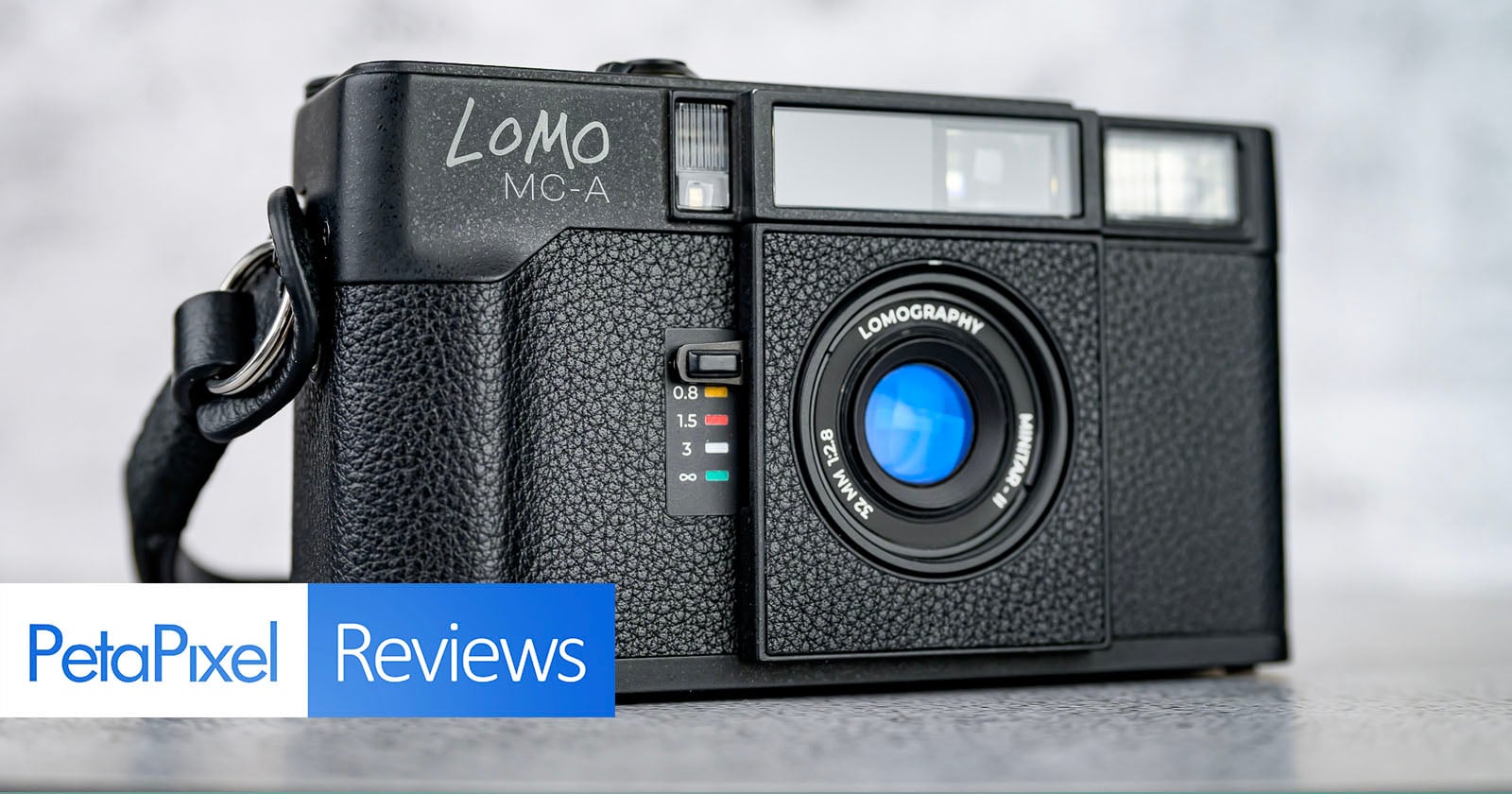
In an era defined by instantaneity and the ubiquitous glow of screens, the resurgence of film photography feels like a deliberate, almost artistic, counterpoint. It’s a movement that speaks to a desire for a more tactile, intentional, and deeply personal creative process. When we consider the introduction of new film cameras, like the Lomo MC-A, it isn't just about hardware; it's about embracing a philosophy. This isn't about simply replicating the past, but about carving out a new space for analog's unique charm and capabilities within our contemporary landscape. The inherent limitations of film, the anticipation of development, and the serendipity of the final image all contribute to an experience that is both grounding and exhilarating, offering a refreshing contrast to the often overwhelming fluidity of digital workflows.
The challenge for any new film camera, particularly a full-frame 35mm model, lies in navigating a market that is already rich with history and readily available used options. The Pentax 17’s gamble on the half-frame format highlights the inherent risk in introducing new analog tools. However, the allure of film isn't solely about nostalgia or affordability; it’s about the distinct aesthetic qualities that analog offers – the grain, the color rendition, the way light behaves on celluloid. For those drawn to these characteristics, a thoughtfully designed, new camera can provide a curated experience, blending the beloved qualities of film with the reliability and thoughtful design that a modern manufacturer can offer. It’s about offering a refined entry point or a compelling upgrade for those who appreciate the craft.
The Lomo MC-A, by positioning itself as a potential standard for new film cameras, aims to capture this discerning audience. It’s an invitation to explore the vibrant potential of analog photography not as a niche hobby, but as an accessible and engaging creative pursuit. The success of such an endeavor hinges on more than just technical specifications; it requires an understanding of the desire for authenticity, the appreciation for artistic expression, and the cultivation of a community that celebrates the immersive nature of the medium. By focusing on the journey, the tactile interaction, and the unique visual poetry of film, the MC-A has the potential to resonate deeply, proving that in our fast-paced digital lives, there is indeed a profound and lasting space for the deliberate beauty of analog.