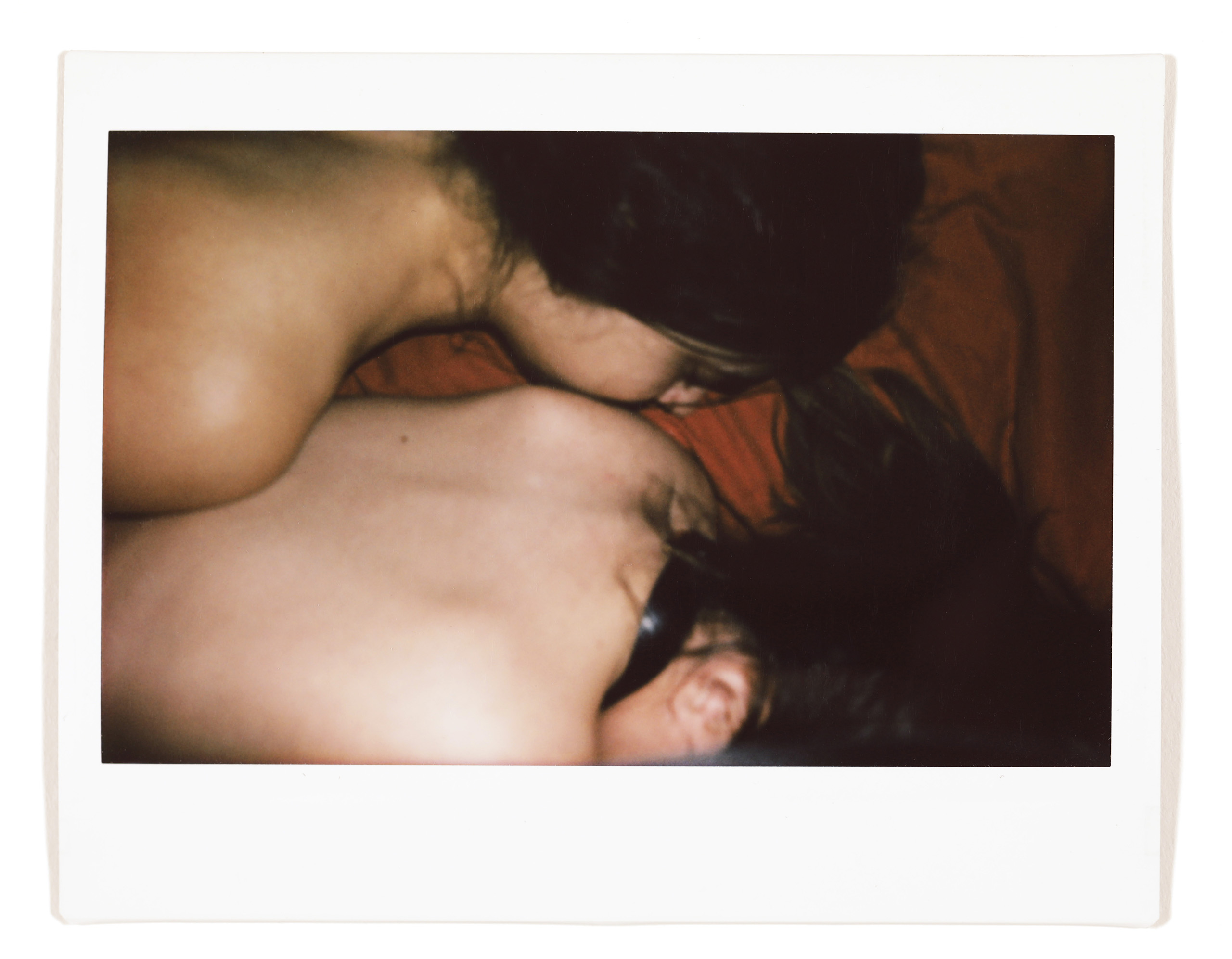
There's something quietly radical about a generation raised on infinite scrolls choosing film. While the mainstream media wrings its hands over Gen Z's attention span, this cohort has done something unexpected: they've fallen in love with the limitations of analog. The article's observation about their disdain for AI and their sharper boundary between art and content feels less like nostalgia and more like discernment. They aren't rejecting technology; they're rejecting the soullessness that often comes with it. That's not a regression. That's a curation of values. And for a generation often dismissed as superficial, that's a plot twist worth celebrating.
We see this same instinct playing out across the visual landscape. When we look at the rise of pocketable, vintage-style keychain cameras among young photographers, as covered in Capture the Moment: Yashica's New Keychain Cameras Embrace Gen Z Style, it's clear that the appeal isn't about going backward. It's about reclaiming a sense of intention. The physical act of loading a roll, the discipline of shooting only 36 frames, the anticipation of developing, these are not inconveniences. They're rituals. And rituals slow us down in a world engineered for speed. This is the same energy driving collaborative, art-first projects like the boudoir sessions offered across Florida's coast, where the focus is on authentic connection rather than mass-produced imagery. In Collaborate & Create: Boudoir Sessions Offered Across Florida's Coast, we see creators leaning into the intimacy of the craft, proving that the process matters as much as the final image.
This revival isn't about hating digital. It's about demanding more from the medium. Gen Z has grown up with a camera in their pocket and a filter on their face, so they know exactly what a perfectly polished, algorithm-optimized photo looks like. And they're bored by it. Film offers something that no preset can replicate: unpredictability. The grain, the light leaks, the accidental double exposures, these are not flaws. They're evidence of a human hand at work. That's why the boundary between art and content feels so much healthier for them. Content is made to be consumed. Art is made to be felt. Film forces you to feel, even if it's just the anxiety of waiting for the lab to call.
What does this mean for our readers? In practical terms, it's a reminder that tools don't define creativity, intention does. Whether you're shooting on a disposable camera or a mirrorless, the question remains the same: are you creating for the algorithm or for yourself? Gen Z's film revival isn't a trend to copy; it's a mindset to study. It's the choice to slow down, to value the process over the payoff, and to let a little imperfection back into the frame. The takeaway worth quoting? "Art is not about more. It's about meaning." So the next time you're tempted to chase the latest AI shortcut or viral filter, ask yourself what you're really trying to say. Then, maybe, leave the camera on manual and let the moment surprise you. That's the kind of revival we can get behind.