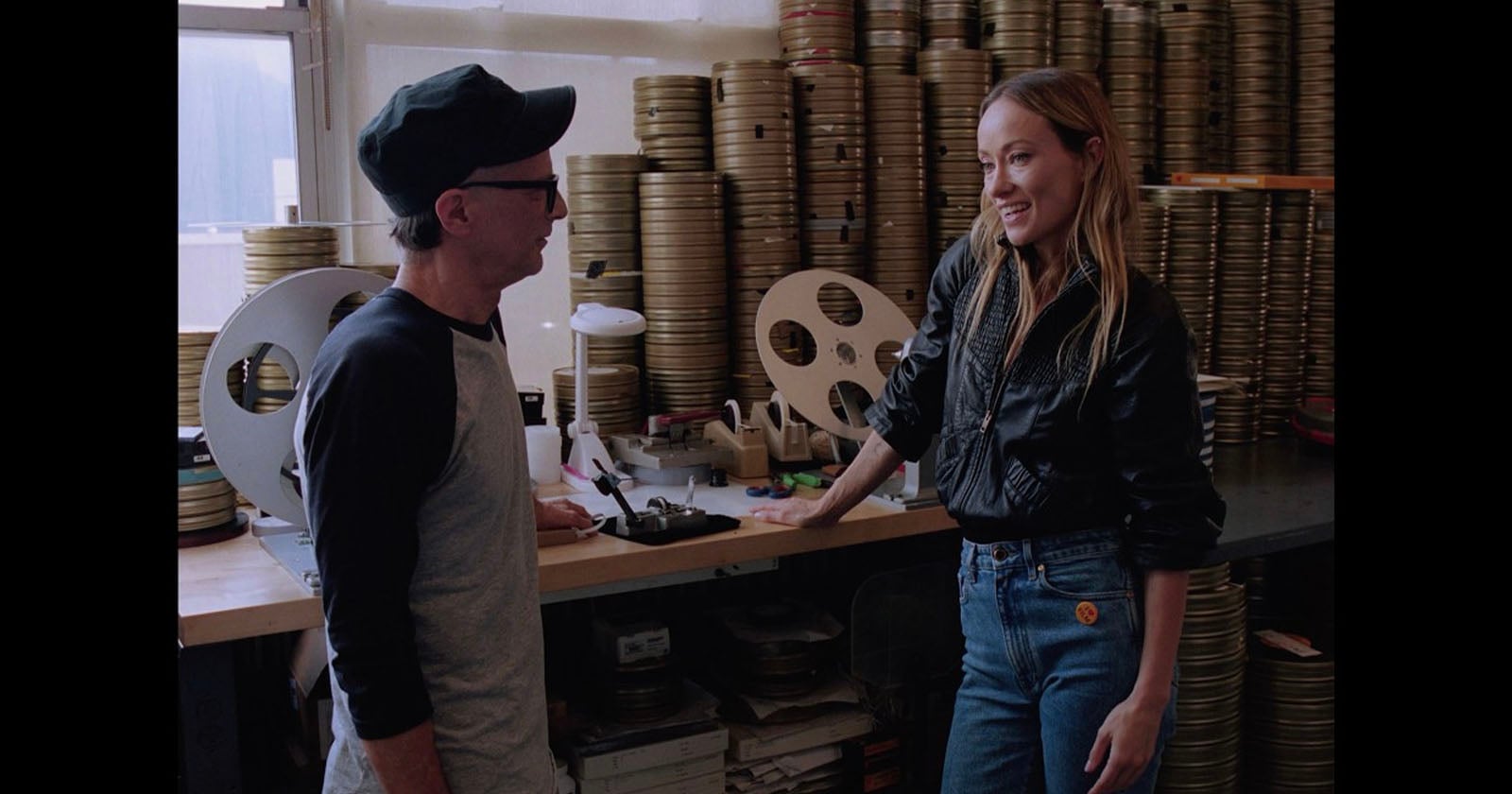
There is something quietly radical about a major filmmaker choosing to shoot on 35mm in an era when digital dominates every corner of production. Olivia Wilde's tour of Kodak's lab, arriving alongside Christopher Nolan's *The Odyssey*, isn't just a nostalgic detour. It's a statement that the physicality of film still holds a distinct, irreplaceable language. We've spent years celebrating the convenience of digital, but there's a texture, a depth, a certain honesty to celluloid that no amount of post-production polish can fully replicate. This isn't about rejecting progress; it's about remembering what we stand to lose when we prioritize efficiency over emotion.
For our readers, this story resonates on a few levels. It echoes the same spirit we've explored in our own archives, whether through the The Curated Archive: Revisiting the Olympus E-M5, the Original Icon or the quiet obsession with Embrace the Drama: Exploring the Allure of Ultra-Low ISO Film. Both pieces touch on the same truth: that limitations often breed creativity. Choosing film, like choosing a fixed lens or a slow shutter speed, forces a certain intentionality. You can't just shoot a thousand frames and sort it out later. You have to be present, deliberate, and patient. Wilde's choice, and Nolan's, reminds us that the medium itself can be a collaborator, not just a tool. It's a lesson that applies well beyond the cinema, straight into our own daily practice as creators.
What we'd tell a reader asking about this is simple: pay attention to the texture of the work you're consuming. The *Odyssey* is a spectacle, sure, but its power doesn't come from scale alone. It comes from the way light falls on silver halide, the way grain breathes life into shadows, the way a frame feels lived-in rather than rendered. This is not a call to abandon digital, which has its own merits and wonders. It's an invitation to be more discerning, to ask yourself what kind of visual language you want to speak. If you've ever wondered why some images feel timeless while others feel dated, this is part of the answer. And in a world that's increasingly chasing the new, there's a certain rebellion in honoring the old.
The practical takeaway, then, is to stay curious about the tools you use, not because they're new, but because of what they enable you to say. Whether you're shooting on film or not, the question is whether you're leaving room for accident, for imperfection, for the happy surprises that make art feel alive. As Wilde and Nolan demonstrate, the medium is far from dead. It's waiting for those willing to slow down and listen. The one detail to watch is how audiences respond, not just at the box office, but in how these films inspire the next wave of creators to pick up a camera, load a magazine, and see what story the film itself wants to tell.