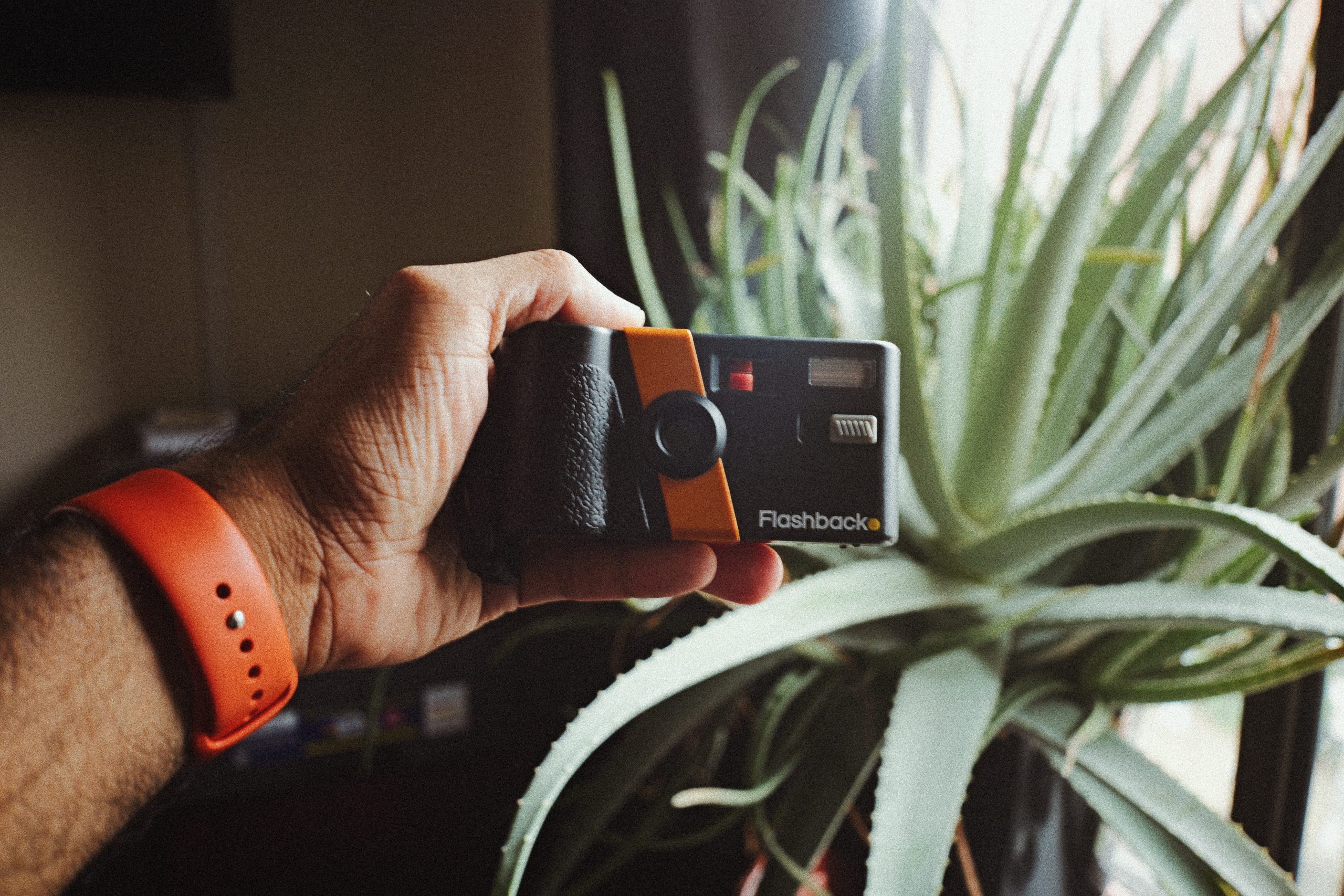
There is something quietly magnetic about a brand that looks into the camera and says, "We know we slipped." Flashback, the budget-friendly name in film nostalgia, just released a candid video where one founder admits the company is "a shadow of its former self." That kind of honesty is rare, and it feels less like a stumble and more like a deliberate exhale before a reset. We have seen the perils of chasing an image in this space, from the Aspirational Image, Unexpected Exit: CEO Departs After AI Photo saga to the quiet insistence that capturing a look in-camera beats digital shortcuts, a philosophy Elevate Your Vision: PolarPro’s Radial Filters Reimagine In-Camera Color champions so well. Flashback is now choosing the harder, more grounded path, and we are here for it.
Let us be clear: this is not a crisis, it is a course correction. The founder's admission feels less like a confession and more like a clearing of the throat before a meaningful speech. In an era where every brand is performing confidence, Flashback's willingness to say "we are not what we were" is actually the most aspirational thing it could do. It echoes the same tension we see across the film world, where the allure of the "Sub-100 Club" and its ultra-low ISO films is not about perfection but about embracing the drama of imperfection, as our Embrace the Drama: Exploring the Allure of Ultra-Low ISO Film piece explores. Flashback is not dying; it is recalibrating its focus, and that distinction matters.
For our readers, the practical takeaway is this: pay attention to what a reset actually promises. A brand that owns its decline is not admitting defeat; it is creating space for something more authentic. We would tell a reader asking for advice: do not write Flashback off. Instead, watch what they curate next. The founder's candor suggests a new level of intentionality, one that could translate into better-designed cameras, more thoughtful film stocks, or a sharper focus on community over hype. The risk is that "reset" becomes a buzzword, but the tone of this announcement feels different, more like a friend owning their flaws than a corporation spinning them.
The specific detail we are watching is how Flashback translates this honesty into tangible product decisions. Will they lean into the raw, unpolished look that made film lovers fall for them in the first place? Or will they overcorrect into something safe and generic? The open question is whether their next move embraces the same authenticity they just preached, or if the shadow they admitted to will linger. We would tell them, and you, that the only way forward is to let the work speak louder than the apology. A concrete point to watch: their next camera release should feel less like a spec sheet and more like a love letter to the imperfect, grainy, human moments that made film timeless. That is the reset we actually want to see.