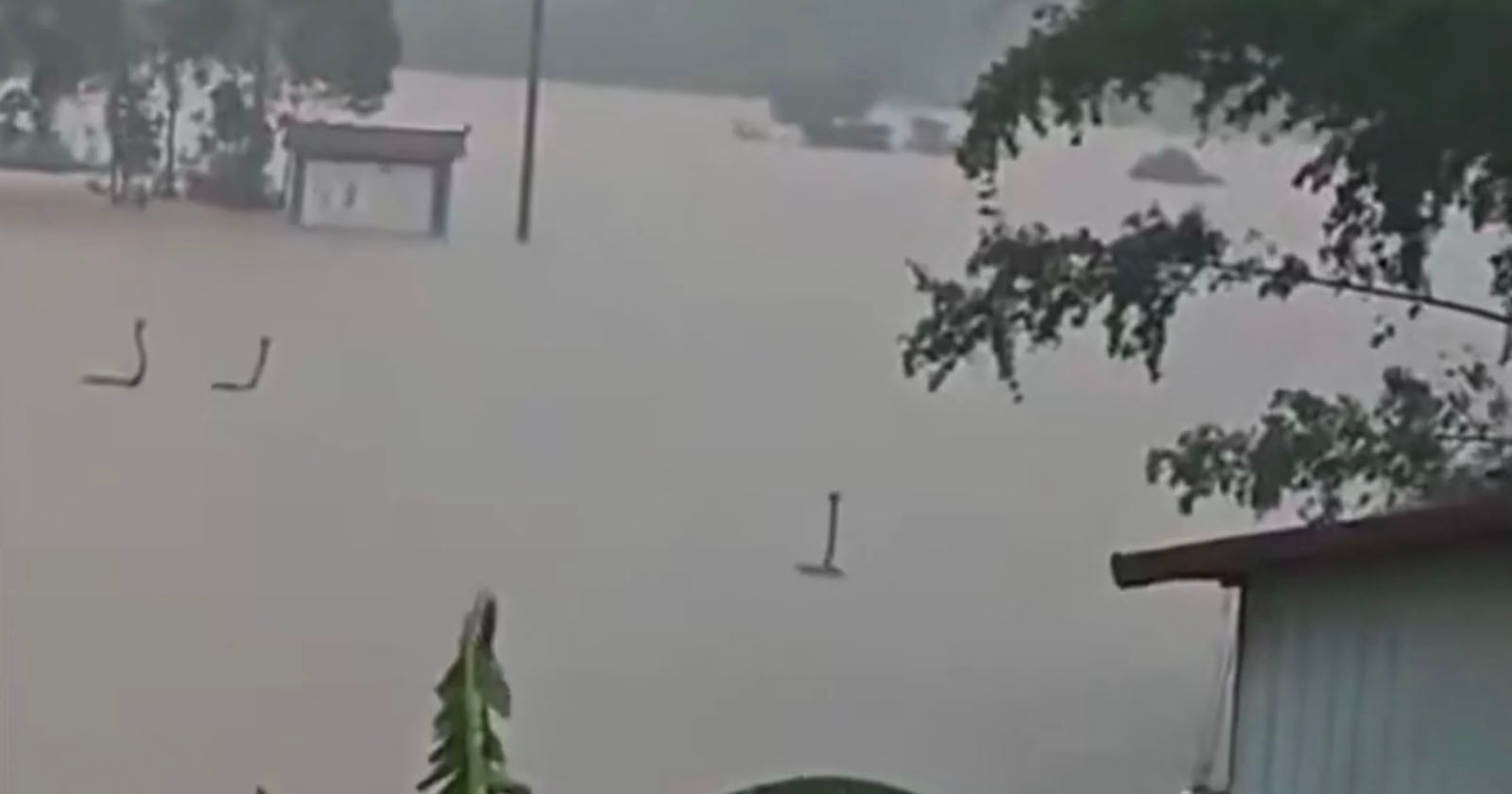
The image of floodwaters in Guangxi carrying snakes from a breached reptile facility is the kind of viral moment that feels pulled from a fever dream. The footage is undeniably arresting, rooftops barely visible, trees submerged, and serpents moving through the murk as if the world has been rewritten overnight. Typhoon Maysak did not just flood a province; it washed away the careful boundaries we draw between human infrastructure and the wild. For anyone who has ever looked at a storm on a weather app and felt a flicker of anxiety, this is the visceral version of that dread made real. We are not here to sensationalize the horror, but to sit with the question it raises: what does it mean when the systems we rely on, drainage, containment, even our own sense of safety, fail so spectacularly?
For our readers who navigate a world of curated wellness and mindful living, this story offers a stark reminder that the environments we inhabit are never fully under our control. The breeding facility was a place of human order, yet nature's chaos erased it in hours. This is not a call to panic, but to practical awareness. If you live in a region prone to extreme weather, consider what your own surroundings might unleash in a flood, not just water, but chemicals, debris, or displaced wildlife. The serpent surge is a metaphor, yes, but also a literal hazard. We would tell a reader who asked about this: prepare your space with the same intention you bring to your morning yoga or your skincare routine. Know your evacuation routes. Secure your home's vulnerable points. And when you see those videos, let them be a prompt, not just a scroll.
The social media frenzy around these snakes reveals something else about our time: we are all documentarians now. The videos are raw, unpolished, and deeply unsettling, a far cry from the glossy, aspirational content we usually curate. Yet there is an authenticity to them that we recognize. In our own work, we champion the real over the generic, the honest over the polished. These flood clips are the dark mirror of that value. They show what happens when the veil of everyday life is stripped away. The takeaway here is not about fear, but about presence. When the extraordinary intrudes, we are forced to look, to react, and to ask what we would do in that water.
What we will be watching is the aftermath. The facility's loss is a local tragedy, but the broader story is about resilience, how a community rebuilds when the ground is still wet and the snakes are still swimming. Will authorities rethink where and how such facilities are built? Will the footage shift public conversation about climate-driven disasters in southern China? The answer is not yet written. But for now, the serpent surge is a specific, concrete detail to hold: a reminder that the line between a curated life and a chaotic one is thinner than we like to admit.