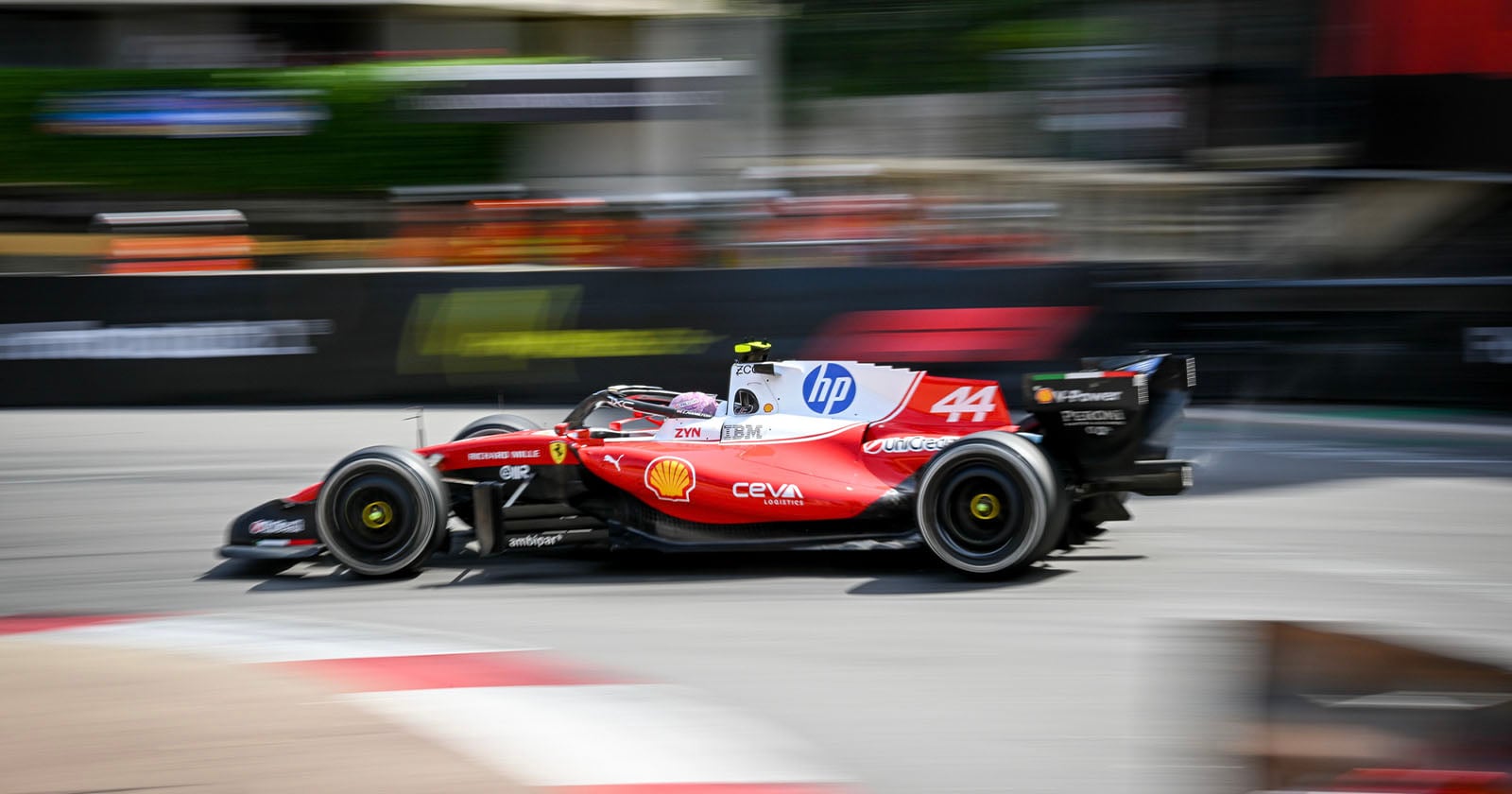
Formula 1's latest broadcast trick is as elegant as a perfectly executed chicane, and we're thrilled it's sparking a real conversation about what we value in authenticity. Over the past two races, fans spotted camera transitions that feel almost impossible, smooth, physics-defying sweeps that seem to bend space around the cars, and social media immediately cried "AI." But here's the thing: they aren't. The technology is a clever feat of engineering and human direction, a seamless blend of multiple cameras and post-production timing that mimics a single, impossible shot. This moment matters, and it mirrors the fascinating questions we explored when Canva's new AI model weaves imagination from design, not photographs forced us to rethink how creativity and machine learning coexist. In both cases, the line between human craft and algorithmic magic is blurring, and we're left asking: what do we lose when we can't tell the difference?
For our readers, who move between creative studios and morning runs, who value a beautiful sneaker as much as the story behind it, this debate isn't just about televised racing. It's about trust. The F1 example proves that impeccable artistry can still be made by human hands, without a single generative model. That's a grounding reminder in a culture increasingly ready to assign every polished output to "AI." Our take is clear: don't let the illusion of ease diminish the craft. We've seen this tension before in the world of access and exclusivity, where The Art of Access: Why Your Dream Trail Race Is Harder to Enter revealed that a human-made barrier can feel just as artificial as a computer-generated one. In both stories, the friction makes the result more meaningful, whether it's earning a race bib or nailing a camera transition that makes millions gasp.
What we love most about this F1 controversy is its honesty. The broadcast team hasn't hidden the method; they've let the work speak for itself. That's aspirational behavior for any creative or brand. It says: we will craft something so immersive you might mistake it for magic, but the magic is us. For the health-conscious enthusiast who values discipline and sweat, there's a parallel here, results that look effortless are usually built on repetitive, intentional effort. The camera doesn't lie, but it does dance.
The practical takeaway for our audience is this: next time you see something that feels impossibly perfect, a photo, a race, a brand moment, pause before assigning it to a black box. Ask who designed it, how they did it, and what human decision made it sing. The answer might be more inspiring than the shortcut.