Fränk Automatically Develops Your Motion Picture Film at Home
Our take

Frank’s arrival on the scene represents a significant shift in the landscape of analog filmmaking, democratizing a process previously relegated to dedicated labs or those willing to invest in complex, manual setups. For years, the allure of home film processing – the ability to control every aspect of the development process, from temperature to chemistry – has remained largely out of reach for many enthusiasts. While DIY darkrooms and manual tanks certainly exist, achieving consistent, high-quality results, particularly with color film, has demanded considerable skill and investment. The promise of Frank, a fully automated, standalone processor capable of handling Super 8, Double 8, and 16mm formats, changes that equation dramatically. This isn’t just about convenience; it's about empowering a new generation of filmmakers to experiment, iterate, and truly own their creative vision. It echoes a broader trend we've observed in the resurgence of analog media, where accessibility and creative control are paramount – a movement further highlighted by the growing popularity of instant photography, as explored in The Enduring Allure of Instant Film.
The technical innovation behind Frank is compelling. The ability to precisely regulate temperature, a crucial factor in film development, is what truly sets it apart. Manual processing often involves constant monitoring and adjustments, a source of potential error and inconsistency. Frank’s automated system aims to eliminate that variable, offering a level of precision previously only attainable in professional labs. This is particularly exciting for those working with vintage or experimental film stocks, where development parameters can be highly specific and sensitive. Consider, too, the implications for artists exploring alternative processes like solarization or push/pull techniques – Frank could provide a stable platform for refining these experimental approaches. The development comes at a time when the creative community is actively seeking ways to bridge the gap between digital convenience and the tangible, textural qualities of analog media, something we discussed recently in Reclaiming the Tactile: Analog's Return.
Beyond the technical aspects, Frank’s arrival speaks to a broader cultural shift. The renewed interest in film isn’t solely about nostalgia; it’s about a desire for authenticity, tangibility, and a slower, more deliberate creative process. Digital filmmaking, while undeniably powerful, can sometimes feel sterile and disconnected. Film, with its inherent imperfections and unique aesthetic qualities, offers a different experience – one that invites closer engagement and a deeper appreciation for the craft. Frank facilitates this engagement by bringing the development process out of the shadows and into the hands of the artist. The ability to experiment with development techniques, to push the boundaries of what's possible, and to ultimately create a more personal and expressive body of work is invaluable. We’ve seen this desire for tangible creation manifest in other areas of art and design, from ceramics to letterpress printing, reflecting a broader yearning for a connection to the physical world.
The launch of Frank is undeniably a landmark moment for the film community, but the question now becomes: will it truly bridge the gap between hobbyists and serious filmmakers? The price point, the availability of compatible chemistry, and the long-term reliability of the machine will all play crucial roles in its ultimate success. Furthermore, will the ease of processing at home lead to a greater exploration of experimental techniques, or will it simply streamline the existing workflow for those already comfortable with film? The next few years will be fascinating to watch as Frank and similar innovations reshape the future of analog filmmaking and redefine what it means to be a creator in a world increasingly dominated by digital technology.
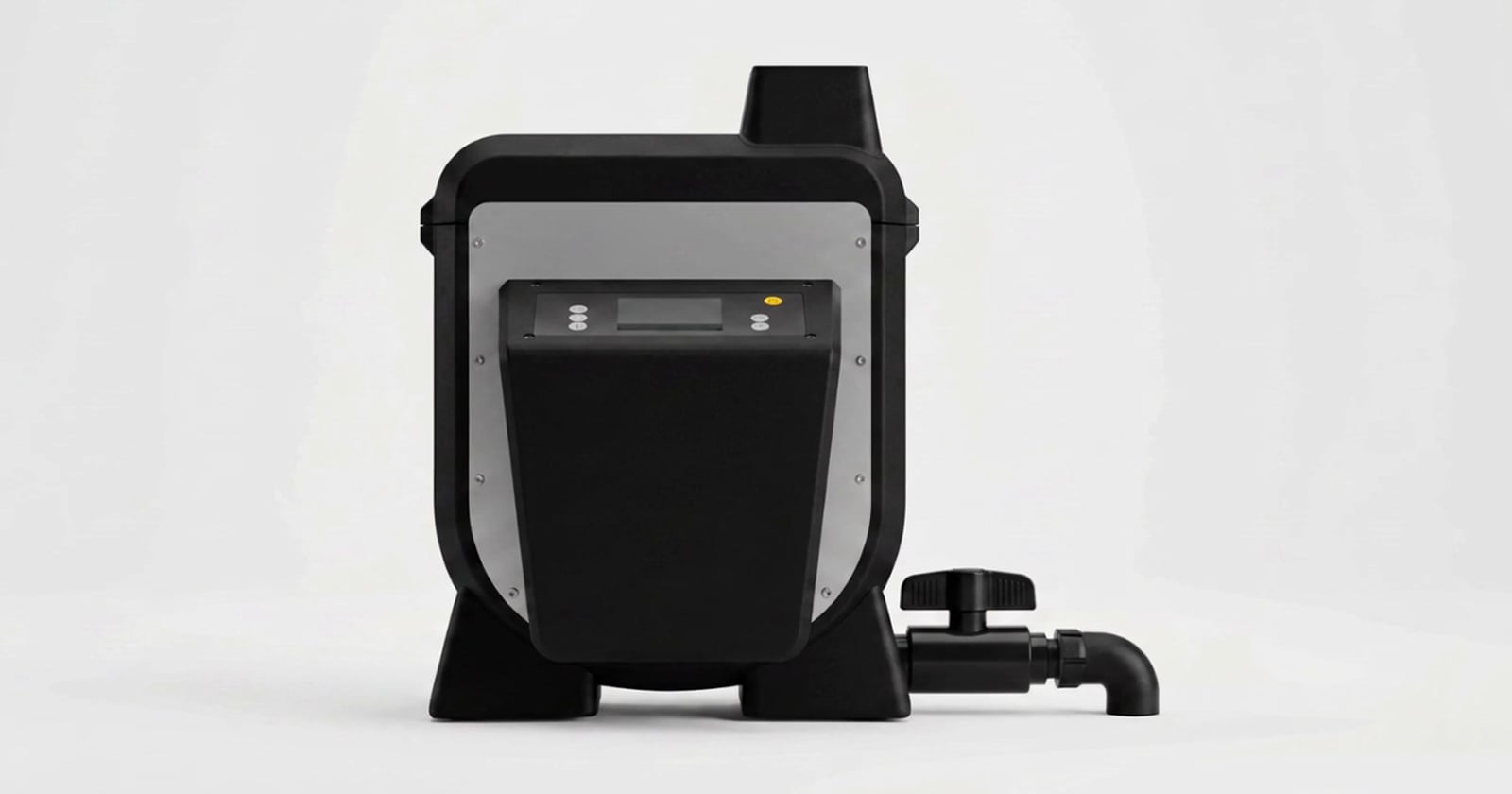
Developing motion picture film at home has long required either manual processing tanks or expensive commercial equipment, particularly for color film stocks that demand precise temperature control. Vintage Visual and Arno Peever are aiming to change that with Frank, a standalone home film processor designed for Super 8, Double 8, and 16mm film.
Read on the original site
Open the publisher's page for the full experience