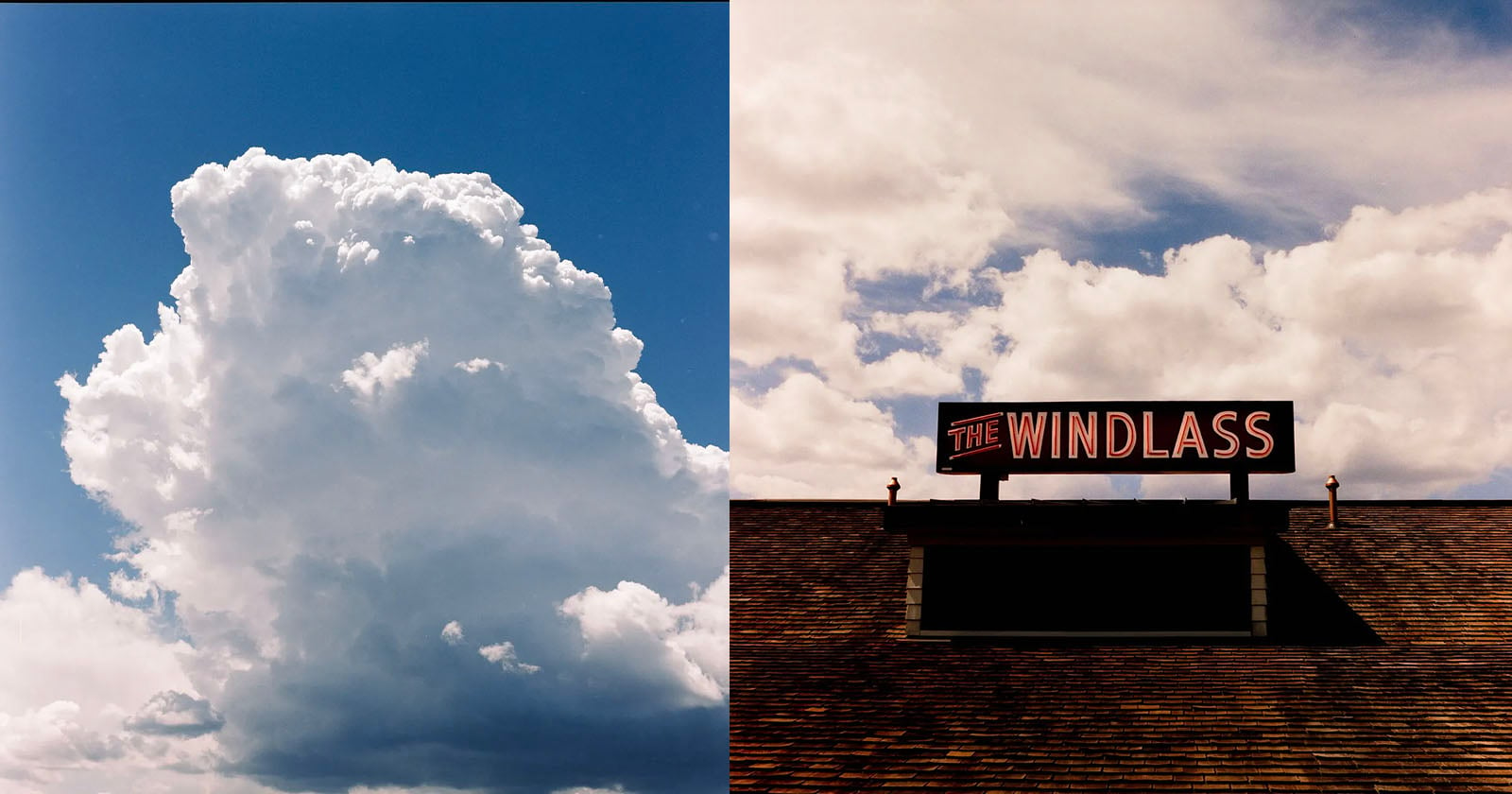
There is a quiet rebellion in choosing a frame that refuses to follow the eye's natural horizon. The photographer behind the 6x6 experiment expected a new lens, a new build, a new ritual. Instead, they got a new way of seeing, one that bled backward into every other camera they own. That is the kind of unexpected consequence we love to witness, because it is not about gear. It is about the quiet pressure a shape exerts on your instincts. We have seen this before in our coverage of Finding Joy on the Streets, One Frame After Fashion, where the street photographer's joy comes not from the scene but from the constraints of the moment. Here, the constraint is the square itself, and the result is a vision that no longer takes the rectangle for granted.
The square is a demanding teacher. It offers no landscape, no portrait, just a central tension that forces the eye to work harder. The photographer's realization, that the shape of the frame messes with the rest of their vision, is not a complaint. It is a breakthrough. When you shoot 6x6, you cannot hide behind the easy vertical or horizontal sweep. You must compose in layers, in corners, in negative space that a rectangle would let you ignore. This is why we would tell any reader who is feeling stuck in a rut of 3:2 or 4:3 to borrow a square camera for a month. Not because the square is better, but because it is other. And otherness is a catalyst. It is the same reason we covered Capturing Cosmic Beauty: An Astrophotography Journey with Nikon, where the vastness of space is tamed not by a special lens but by a deliberate approach to framing. The square does not give you more sky; it gives you a different relationship to the sky.
What strikes us most is the humility in this piece. The photographer came for the gear, stayed for the lesson, and left with a changed practice. That is the mark of a real artist. They did not preach about rules or break them for effect. They simply let the format do its work, and in doing so, they reminded us that every frame is a choice. The rectangle is not neutral. It carries assumptions about what matters: the horizon, the action, the subject. The square disrupts those assumptions, asking you to reconsider what belongs in the corners and what belongs in the center. This is a practical lesson for anyone who shoots, whether you are a street photographer chasing a fleeting moment or a portraitist seeking a new intimacy. The takeaway is clear: your frame is not a window. It is a collaborator, and sometimes you need to change the window to change the room.
We would tell a reader who asks, "Should I try a square camera?" to stop asking and start shooting. Borrow one, rent one, or crop your existing files to a square and live with that for a week. Do not just look at the results. Pay attention to how you move, how you step, how you crop in your mind before you press the shutter. The specific camera does not matter. The willingness to be unmoored does. And if you want to see this principle in action beyond your own experiments, look at how Experience Photography's Artistry: The 5 Boro Foto Fest Returns celebrates exactly this kind of visual exploration, where the frame is an invitation, not a cage. The square taught one photographer to see again. The only question left is what your frame is hiding from you.