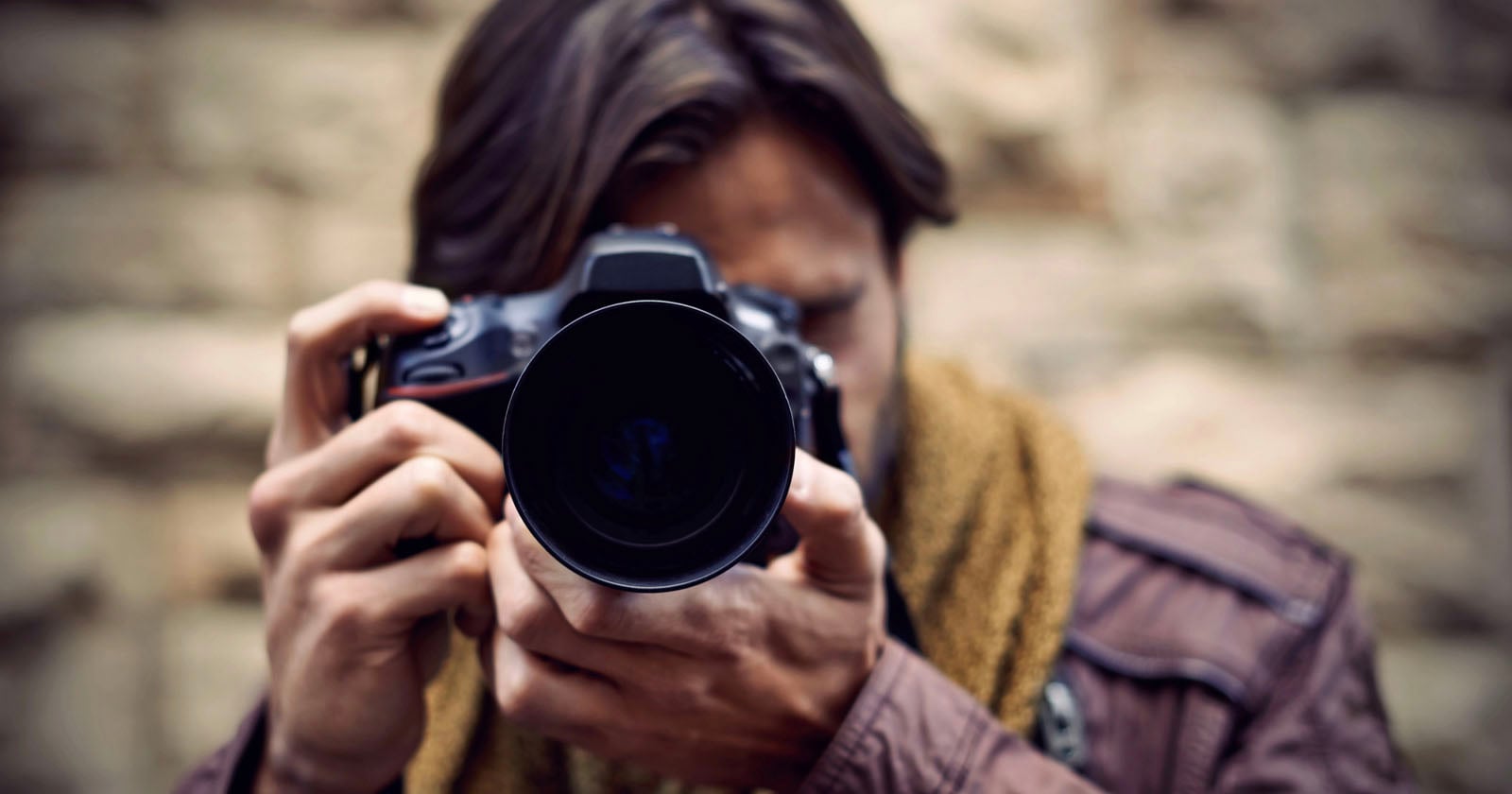
Trusting a creative partner across an ocean is one of the hardest things a photographer learns to do, and it is also one of the most freeing. The journey from agency news photographer to global editor is not simply a career shift; it is a fundamental reeducation in how we see collaboration. When you have spent years on the ground, covering breaking news and sports with your own lens, handing over editorial vision to someone on another continent requires a rare kind of faith. That faith, when earned, transforms a workflow into a dialogue, and that dialogue is what makes an image resonate beyond its frame.
This story resonates deeply with a tension we see often in the creative world: the pull between control and trust. For the photographer who once defined their work by being present, the leap to curating work from afar is a leap into vulnerability. Yet it is precisely that vulnerability that unlocks a broader, richer visual language. Compare this to the quiet mastery celebrated in Monochrome Mastery: The 2026 Black and White Photo Award Winners. There, the craft is stripped of color, forcing a pure reliance on light, shadow, and composition. In the same way, trusting a partner across continents strips away the safety of direct oversight, leaving only the core of the creative relationship: shared aesthetic instinct and mutual respect. It is a reminder that the most compelling images are not always the ones we capture ourselves, but the ones we have the courage to commission.
There is also a pointed lesson here for anyone obsessed with the latest gear or the sharpest pixel. The real art of photography, as we explored in The Art of Real Photography That Tech Obsession Misses, has never been about the tool in your hand. It is about the story you trust someone else to tell. When a photographer moves from being the sole shooter to being a global editor, the technology becomes secondary to the relationship. The camera on the other end of that relationship might be unfamiliar, the lighting conditions unpredictable, the time zones reversed. But if the creative trust is there, the result will feel curated rather than generic, vibrant rather than mechanical. That is the difference between agency news and a global edit: one is about covering an event, the other is about building a visual legacy.
The practical takeaway for our readers is this: the next time you hesitate to hand over a creative brief to a partner you cannot see, remember that the most aspirational work is born from that leap. It is not about surrendering your vision; it is about expanding it. Watch how the photographer in this story navigates the balance between their own trained eye and the fresh perspectives of collaborators abroad. That balance, between what you know and what you are willing to discover through someone else, is the specific, concrete skill that separates a good edit from a truly global one.